In the ever-evolving landscape of real estate, buying an income property can be a daunting yet rewarding venture for first-time investors. As highlighted in a comprehensive article from Investopedia, navigating the complex world of real estate requires a keen eye for detail and thorough research. Here are the 10 crucial factors to consider when embarking on this investment journey.

1. Neighborhood

The character of a neighborhood plays a pivotal role in determining the type of tenants you attract and the vacancy rates you might face. For instance, properties near universities often draw student tenants, which could lead to seasonal vacancies during academic breaks.

2. Property Taxes

Property taxes can significantly impact your net income. While high taxes might be acceptable in lucrative areas, they should be weighed against the neighborhood’s prospects.

3. Schools

For family-sized rental properties, the quality of local schools is paramount. Good schools can enhance property value, while a lack of quality education facilities might detract from it.

4. Crime Levels

Ensuring your property is located in a safe area is critical. Accurate crime statistics are essential to maintaining the property’s appeal to potential tenants.

5. Job Market

Locations with growing employment opportunities are attractive to potential tenants. An announcement of a major company moving into the area often signals a robust rental market.

6. Amenities

Proximity to parks, restaurants, gyms, and public transport can significantly enhance the appeal of your property to prospective tenants.

7. Future Development

Investigating municipal plans for area development is crucial. New construction can affect property values, either positively or negatively.

8. Listings and Vacancies

A high number of listings and vacancies might indicate a declining area, which could force landlords to lower rents.

9. Average Rents

Ensure the property can generate sufficient income to cover expenses such as mortgage and taxes by researching average rents in the area.

10. Natural Disasters

Consider insurance costs, especially in areas prone to natural disasters like floods or earthquakes, as they can significantly eat into profits.

Buying an Income Property: A Step-by-Step Guide

Begin your search independently to avoid pressure from agents and focus on critical property characteristics. Decide whether you’ll manage the property yourself or hire a manager to free yourself from proximity constraints. Speak with locals, including renters, for genuine neighborhood insights. Single-family homes or condos typically represent good starting investment properties due to lower maintenance and steadier rental income.

Project cash flow by checking both purchase price trends and future rent potential after renovations. Ensure financial feasibility by calculating if rental income exceeds mortgage, taxes, and other costs. Secure adequate landlord insurance and anticipate higher lending standards for investment property mortgages.

In conclusion, investing in real estate is not for the faint-hearted. It requires careful research to identify properties that align with your financial aspirations and management capacity. Each property is unique, and maintaining a clear eye on both present opportunities and future market conditions is essential for a successful investment journey.

More Articles

Getting licensed or staying ahead in your career can be a journey—but it doesn’t have to be overwhelming. Grab your favorite coffee or tea, take a moment to relax, and browse through our articles. Whether you’re just starting out or renewing your expertise, we’ve got tips, insights, and advice to keep you moving forward. Here’s to your success—one sip and one step at a time!

Building an Integrated Approach to Real Estate Sustainability

Nearly 60% of global real estate CFOs lack the necessary data, processes, or internal controls to comply with current environmental regulations.

The Blockchain Revolution: Building the Future of Finance with DeFi

DeFi emerges as a beacon of transformation, promising to revolutionize how we interact with money. DeFi stands at the forefront, offering instant, transparent transactions without the constraints of conventional banking systems. This new paradigm opens doors to innovative investment opportunities and fosters a more inclusive global economy.

By |December 8, 2024|Categories: Article, Finance, Technology|Tags: , |0 Comments

Artificial Intelligence: A New Frontier in Neurological Care

AI's integration into neurology is not just a fleeting trend; it's a significant shift in how healthcare professionals approach complex neurological disorders.

By |December 8, 2024|Categories: Article, Healthcare, Technology|Tags: , |0 Comments

Celebrating Commitment to Physician Well-being

The American Medical Association (AMA) has recognized 62 health care organizations through its Joy in Medicine™ Health System Recognition Program. These organizations, representing over 140,000 physicians, have been acknowledged for their innovative strategies aimed at reducing stress and enhancing mental health among doctors.

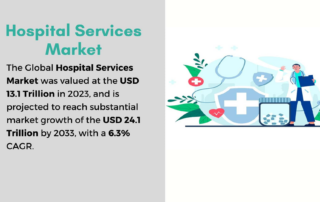
Global Hospital Services Market Set for Substantial Growth

The global hospital services market is undergoing a significant transformation, with projections indicating robust growth over the next decade. As of 2023, the market was valued at USD 13.1 trillion and is expected to soar to an impressive USD 24.1 trillion by 2033, boasting a compound annual growth rate (CAGR) of 6.3%. This optimistic forecast, reported by Market.us Media, is driven by advancements in medical technology, increased healthcare expenditures, and the rising prevalence of chronic diseases.

By |December 7, 2024|Categories: Article, Healthcare, Market Analysis|Tags: , |0 Comments

Unlocking the Potential of Modular Construction in Ontario’s Housing Market

In the bustling realm of Ontario's housing market, modular construction is emerging as a beacon of hope amid a pressing demand for new homes.


By |December 7, 2024|Categories: Article, Construction, Technology|Tags: , |0 Comments