In the ever-evolving landscape of real estate, buying an income property can be a daunting yet rewarding venture for first-time investors. As highlighted in a comprehensive article from Investopedia, navigating the complex world of real estate requires a keen eye for detail and thorough research. Here are the 10 crucial factors to consider when embarking on this investment journey.

1. Neighborhood

The character of a neighborhood plays a pivotal role in determining the type of tenants you attract and the vacancy rates you might face. For instance, properties near universities often draw student tenants, which could lead to seasonal vacancies during academic breaks.

2. Property Taxes

Property taxes can significantly impact your net income. While high taxes might be acceptable in lucrative areas, they should be weighed against the neighborhood’s prospects.

3. Schools

For family-sized rental properties, the quality of local schools is paramount. Good schools can enhance property value, while a lack of quality education facilities might detract from it.

4. Crime Levels

Ensuring your property is located in a safe area is critical. Accurate crime statistics are essential to maintaining the property’s appeal to potential tenants.

5. Job Market

Locations with growing employment opportunities are attractive to potential tenants. An announcement of a major company moving into the area often signals a robust rental market.

6. Amenities

Proximity to parks, restaurants, gyms, and public transport can significantly enhance the appeal of your property to prospective tenants.

7. Future Development

Investigating municipal plans for area development is crucial. New construction can affect property values, either positively or negatively.

8. Listings and Vacancies

A high number of listings and vacancies might indicate a declining area, which could force landlords to lower rents.

9. Average Rents

Ensure the property can generate sufficient income to cover expenses such as mortgage and taxes by researching average rents in the area.

10. Natural Disasters

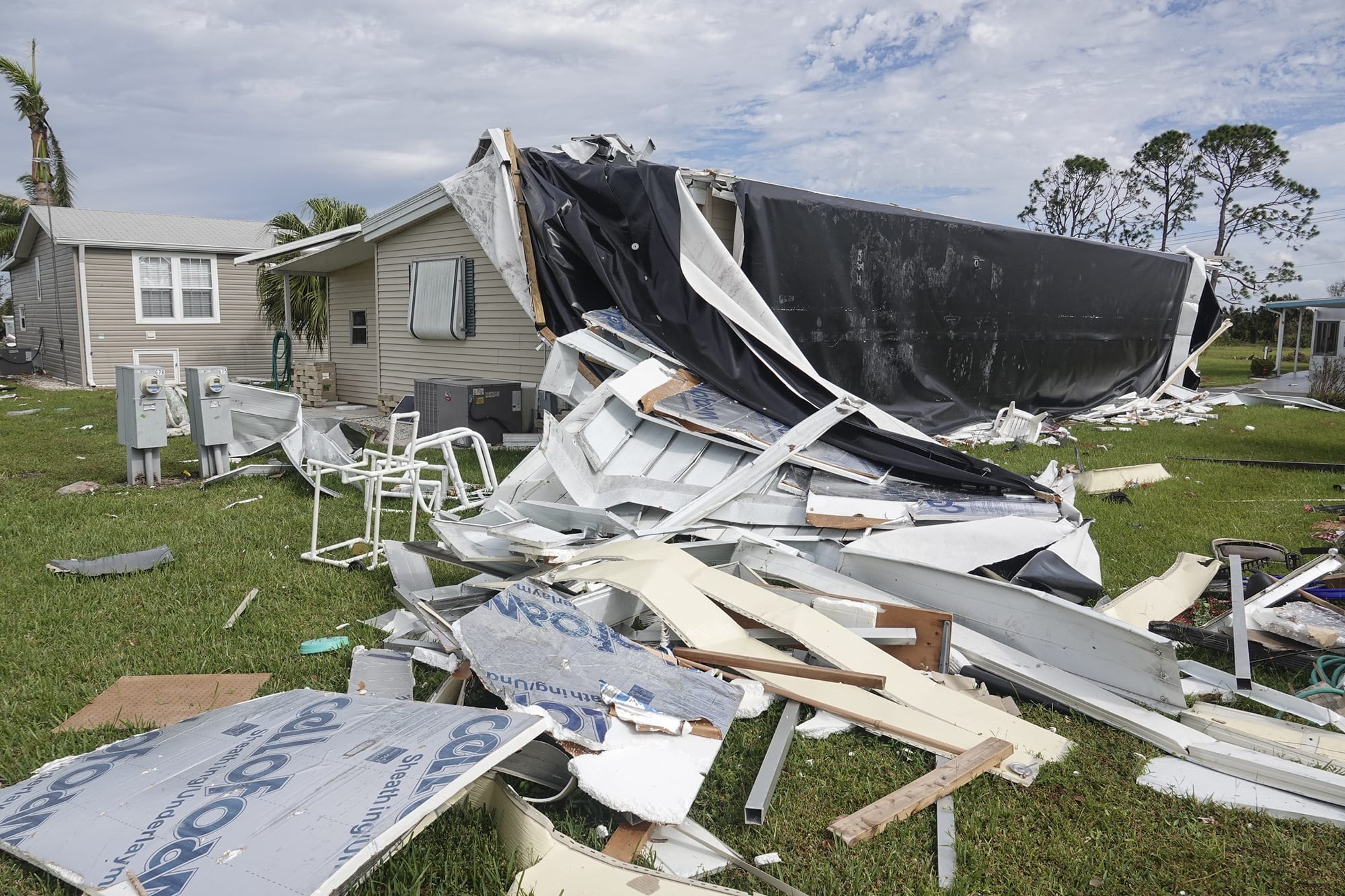
Consider insurance costs, especially in areas prone to natural disasters like floods or earthquakes, as they can significantly eat into profits.

Buying an Income Property: A Step-by-Step Guide

Begin your search independently to avoid pressure from agents and focus on critical property characteristics. Decide whether you’ll manage the property yourself or hire a manager to free yourself from proximity constraints. Speak with locals, including renters, for genuine neighborhood insights. Single-family homes or condos typically represent good starting investment properties due to lower maintenance and steadier rental income.

Project cash flow by checking both purchase price trends and future rent potential after renovations. Ensure financial feasibility by calculating if rental income exceeds mortgage, taxes, and other costs. Secure adequate landlord insurance and anticipate higher lending standards for investment property mortgages.

In conclusion, investing in real estate is not for the faint-hearted. It requires careful research to identify properties that align with your financial aspirations and management capacity. Each property is unique, and maintaining a clear eye on both present opportunities and future market conditions is essential for a successful investment journey.

More Articles

Getting licensed or staying ahead in your career can be a journey—but it doesn’t have to be overwhelming. Grab your favorite coffee or tea, take a moment to relax, and browse through our articles. Whether you’re just starting out or renewing your expertise, we’ve got tips, insights, and advice to keep you moving forward. Here’s to your success—one sip and one step at a time!

Los Alamitos at a Breaking Point After 18 Racehorse Deaths Spur Emergency Safety Demands

Los Alamitos Race Course is facing its most serious crisis in years after 18 horses died in 2025, prompting regulators to warn the track that its racing license is at risk without immediate safety reforms. Following three catastrophic injuries in a single day, the California Horse Racing Board has ordered urgent changes—including more veterinarians, stricter medication rules, and enhanced on‑track medical support—as pressure mounts for stronger oversight in a sport already under national scrutiny.

Why Canadian Investors Are Flooding U.S. Real Estate Despite Tariffs and Tensions

Canadian investors have poured more than US$5.8 billion into U.S. commercial real estate this year, making the U.S. their top destination even amid a lingering tariff dispute. Tight inventory in Canada and greater deal availability south of the border are driving the trend, with data centers and industrial properties emerging as the hottest targets for 2025.

Florida’s Insurance Chief Warns Homeowners: Most Don’t Understand Their Policies

Florida’s insurance commissioner says even industry pros struggle to read today’s 150‑page homeowners policies—leaving residents shocked when hurricane claims are denied. With rising premiums, high replacement costs, and widespread confusion over exclusions like flood and water damage, the state is pushing for simpler, clearer policy language so homeowners know what they’re actually covered for before the next storm hits.

Post‑Election Power Plays: How Major U.S. Cities Are Quietly Redrawing the Real Estate Map

Following the 2025 elections, major metros like New York, Chicago, Miami, Los Angeles, and Boston are implementing policy shifts that could reshape property values, rental income, development timelines, and investment strategy heading into 2026. From New York’s push toward aggressive rent reform to Chicago’s sustainability mandates and Miami’s uncertain mayoral runoff, these changes signal a new era where local politics increasingly dictate market performance. This breakdown highlights the biggest post‑election real estate pivots and what they mean for investors, agents, and finance professionals preparing for a rapidly evolving landscape.

Florida Insurance Boss Drops a Truth Bomb: Most Homeowners Have No Idea What They’re Actually Covered For

Florida’s Insurance Commissioner is sounding the alarm after thousands of homeowners discovered—only after hurricanes Helene and Milton—that the coverage they thought they had didn’t exist. With nearly 150,000 unpaid claims tied to misunderstood flood exclusions, water‑damage caps, and buried policy clauses, state leaders are pushing to simplify the dense, confusing documents most Floridians never read. As insurance costs remain one of the state’s top concerns, this growing complexity is creating a massive opportunity for real estate, mortgage, and insurance professionals to guide consumers before disaster strikes.

Florida’s Insurance “Fixes” Backfire as Homeowners Face Higher Costs and Riskier Insurers

Florida’s insurance market is reliving an old crisis under a new name. Despite reforms meant to stabilize the system, homeowners are being forced out of Citizens and into pricier policies from small insurers with shaky financial histories. Companies tied to past insolvencies are returning with fresh branding, while highly rated carriers continue to deny a majority of claims. With political influence muddying regulation and climate risks rising, experts warn that only a full structural overhaul—not cosmetic reforms—can restore confidence for homeowners, agents, and the entire real estate market.