
As the 2024 election looms, the banking industry finds itself on the brink of potential change, regardless of which party takes control of the White House. Experts predict that regulatory shifts will be incremental initially, but the aftermath of the election could see significant legal challenges to new and existing rules.

Regulatory Changes and Legal Challenges

The financial sector is bracing for a wave of legal challenges, as evidenced by JPMorgan Chase’s threat of litigation against the Consumer Financial Protection Bureau (CFPB). Similarly, the Financial Technology Association’s lawsuit against the CFPB’s interpretive rule on buy-now-pay-later services highlights growing tensions.

Impact of the Elections on the Banking Sector

The economic philosophy of the incoming administration could profoundly influence regulation. A Republican majority in the Senate might accelerate regulatory nominations, impacting the pace and nature of financial oversight. However, if Congress remains closely divided, significant legislative changes appear unlikely.

Democrat and republican mascots donkey elephant

Supreme Court Rulings and Their Implications

Recent Supreme Court decisions have reshaped the regulatory landscape. These rulings, such as Loper Bright v. Raimondo, which ended deference to federal agency expertise, could embolden banks to challenge regulators more frequently.

The Role of CFPB and Potential Changes

The CFPB, under Director Rohit Chopra, remains a focal point of regulatory activism. Should former President Trump return to office, Chopra’s tenure could end, leading to potential reversals of current policies. Conversely, a Harris administration could maintain the status quo, albeit with possible shifts in leadership.

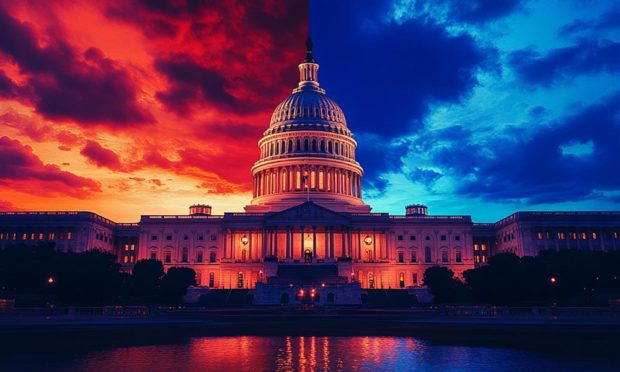
Democrats and republicans united states capitol

Banking Industry’s Response

Amid these uncertainties, industry leaders are advised to stay agile and engaged with trade associations. Whether under a Harris or Trump administration, the industry must navigate a complex regulatory environment influenced by evolving political dynamics.


More Articles

Getting licensed or staying ahead in your career can be a journey—but it doesn’t have to be overwhelming. Grab your favorite coffee or tea, take a moment to relax, and browse through our articles. Whether you’re just starting out or renewing your expertise, we’ve got tips, insights, and advice to keep you moving forward. Here’s to your success—one sip and one step at a time!

Velox Valuations Ventures into New Territories

Velox Valuations has initiated a significant expansion with the launch of two new franchise territories in Nashville, TN, and San Diego, CA. This development marks a pivotal moment for the company, renowned for its cutting-edge, technology-driven business model.

By |March 11, 2025|Categories: Article, Business, Real Estate|Tags: , |0 Comments

2025 Architectural Trends: Innovations in Urban and Residential Design

In the ever-evolving world of architecture, 2025 is poised to be a year marked by innovation and transformation. Industry experts are forecasting a range of exciting trends that promise to reshape both urban and residential landscapes.

By |March 11, 2025|Categories: Architecture, Article, Innovation|Tags: |0 Comments

Transforming Real Estate: The Role of Technology in the Modern Era

Zillow's Zestimate tool, initially launched in 2006, has drastically improved its accuracy over the years, offering a median error rate just above 3 percent.

Crypto in the Courts: Five Cases Reshaping Digital Asset Regulation in 2025

In the unfolding saga of cryptocurrency regulation, 2025 marks a pivotal year as the United States grapples with the challenges of integrating digital assets into its legal framework.

2025 REIT Outlook: Navigating Market Challenges

John Worth began by reviewing REIT performance in 2024, highlighting a positive 4.9% return, though below the historical average. Specialty real estate emerged as the top-performing sector, with industrial and telecommunications lagging. The capital markets saw significant issuance, amounting to $87 billion.


By |March 10, 2025|Categories: Article, Finance/Economy, Real Estate|Tags: , |0 Comments