AI in Radiology: A Double-Edged Sword


The rapid advancements in artificial intelligence (AI) are transforming the landscape of radiology, promising to enhance diagnostic accuracy and support personalized medicine. However, as this technology becomes more integral to medical imaging, it brings with it a host of ethical and societal considerations that cannot be ignored.

The Promise of AI


AI technologies, particularly those employing machine learning (ML) and deep learning (DL), are being hailed for their potential to improve predictive analytics and diagnostic performance. Studies, such as those by McKinney et al., have demonstrated AI’s ability to outperform human experts in tasks like breast cancer screening. This has sparked excitement about AI’s role in advancing healthcare and promoting health equity.

Challenges and Ethical Concerns


Despite the hype, the implementation of AI in healthcare lags behind its technological development. As noted in the article, “The state of AI hype has far exceeded the state of AI science.” This gap highlights several ethical concerns, including transparency, accountability, and potential biases in AI systems. The “black box” nature of many AI algorithms raises questions about their decision-making processes and the implications for patient care.

Bias and Responsibility


A major concern is the potential for AI systems to perpetuate or even amplify existing biases in healthcare. The article references works such as those by Mittelstadt and Floridi, which discuss the ethical foresight needed to address these issues. Ensuring that AI tools are developed and deployed with fairness and justice in mind is crucial to avoid exacerbating healthcare disparities.

Guidelines for Ethical AI


To navigate these challenges, robust ethical guidelines are essential. Initiatives like FUTURE-AI, as discussed by Lekadir et al., aim to align technological advances with ethical standards. These guidelines emphasize principles such as explainability, trustworthiness, and accountability, ensuring that AI systems serve the common good.

Looking Forward


As AI continues to evolve, its integration into radiology and healthcare must be guided by interdisciplinary research and a deep understanding of its societal implications. The article underscores the need for a shift from focusing solely on technological advancements to considering the broader context in which AI operates.
In conclusion, while AI holds great promise for the future of radiology, it is imperative that its development and deployment are approached with caution and a commitment to ethical integrity. By doing so, we can harness the power of AI to create more equitable and effective healthcare systems.

More Articles

Getting licensed or staying ahead in your career can be a journey—but it doesn’t have to be overwhelming. Grab your favorite coffee or tea, take a moment to relax, and browse through our articles. Whether you’re just starting out or renewing your expertise, we’ve got tips, insights, and advice to keep you moving forward. Here’s to your success—one sip and one step at a time!

Unlocking Real Estate Wealth in 2025: Strategies for Success

Step into 2025, where the real estate market emerges as a resilient beacon amidst economic unpredictability. Investors are increasingly drawn to secondary cities like Austin and Manchester, attracted by their growth potential, affordability, and enhanced quality of life.

By |February 18, 2025|Categories: Article, Investment Strategies, Real Estate|Tags: , |0 Comments

AI and Urbanization Drive Home Services Market Growth

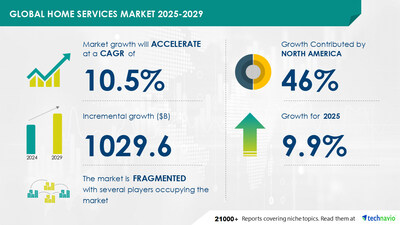
The global home services market is poised for significant growth, with projections indicating an increase of USD 1.03 trillion from 2025 to 2029. This forecasted expansion is attributed to increasing urbanization and the transformative impact of AI on market trends, according to a recent report by Technavio.

Decoding the U.S. Housing Crisis: A Study of Historic Policy Missteps and Demographic Shift

In a revealing study by USC, the roots of the current housing crisis in the United States are traced back to policy missteps and demographic changes that have been unfolding since the early 2000s. The study highlights how these factors have left millennials and people of color disproportionately affected.

Best Real Estate Crowdfunding Platforms for February 2025: Investopedia’s Top Picks

Fundrise stands out for offering investors a chance to diversify their portfolios with real estate exposure through proprietary funds. With a minimum investment as low as $10, it opens doors to beginners and seasoned investors alike.

Top Real Estate Investment Apps of 2025: A Guide for First-Time and Experienced Investors

Business Insider has reviewed a range of platforms available in 2025, focusing on key factors like fees, accessibility for accredited vs. non-accredited investors, and the types of real estate investments offered.