The real estate industry, often seen as conservative, is gradually embracing technological advancements with AI leading the charge. Generative AI is already revolutionizing real estate marketing by enhancing customer experiences and optimizing content creation. However, a more transformative technology is predictive AI, which leverages historical data and algorithms to forecast market trends and predict property values accurately.

Despite being early in its adoption phase, the potential improvements AI can bring to market prediction accuracy and personalized property recommendations make it a compelling investment. Companies like Compass and Zillow are at the forefront, utilizing AI to identify market trends and shifts, such as the post-pandemic move towards suburban living.

AI’s capabilities aren’t confined to market predictions alone; it also improves property valuation accuracy by using machine learning to analyze data patterns invisible to humans. This innovation helps organizations make informed decisions and identify lucrative investment opportunities.

However, the adoption of AI in real estate is not without challenges. Data quality issues and a lack of expertise in AI underscore the need for dedicated roles, such as a chief AI officer, to bridge the gap between technology and business application.

As AI technology continues to evolve, its impact on real estate will grow. Successfully integrating AI demands not just the acquisition of tools, but also the expertise to harness its full potential. Those able to navigate these waters will secure a significant edge in the dynamic real estate market.

For more insights on how AI is transforming the real estate landscape, refer to the original article on Forbes.


More Articles

Getting licensed or staying ahead in your career can be a journey—but it doesn’t have to be overwhelming. Grab your favorite coffee or tea, take a moment to relax, and browse through our articles. Whether you’re just starting out or renewing your expertise, we’ve got tips, insights, and advice to keep you moving forward. Here’s to your success—one sip and one step at a time!

Navigating the Emerging Trends in Commercial Real Estate Recovery, 2025

Optimism is cautiously building as the market correction from mid-2022 shows signs of recovery. However, this nascent recovery varies across different segments, presenting both opportunities and risks for investors.

Joey Chianese: Pioneering Slow-Flip Investments in Real Estate

In the world of real estate, Joey Chianese has emerged as a beacon of innovation and resilience.

The Best CRM Software for Real Estate in 2025: A Comprehensive Guide

Agile CRM, with its comprehensive suite of tools, stands out as the best CRM for real estate agents. It offers robust contact management, document handling, and e-signature capabilities, enhancing workflow from start to finish.

Generous Alumni Pledge $1 Million to Enhance Clemson’s Construction and Real Estate Development Programs

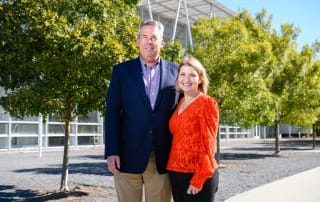
Skip ’89 and Mitzi ’91 Gardiner have pledged a $1 million unrestricted gift to Clemson University’s Nieri Department of Construction and Real Estate Development (NCRED). This significant contribution, aptly named the Francis and Mitzi Gardiner Fund for Construction and Real Estate Development, is set to enhance the educational resources and experiences available to future students.

By |March 17, 2025|Categories: Article, Education, Philanthropy|Tags: , |0 Comments

Innovative Predictions for the 2034 Housing Market

The housing market will face challenges such as affordability and climate change, but it also presents opportunities. Leveraging technology for sustainable housing solutions and developing innovative financing models will be key to navigating the evolving landscape.

Steadying the Ship: Navigating the 2025 Commercial Real Estate Landscape

The commercial real estate sector is poised for a transformative year as it seeks to recover from recent challenges. With strategic insights aimed at overcoming market volatility, industry leaders are focusing on repositioning their organizations for future growth.