The real estate industry is undergoing a transformation, driven by the power of
Artificial Intelligence (AI). As we delve into this technological revolution, it becomes clear how
AI is reshaping the landscape of
real estate market analysis, providing stakeholders with unprecedented insights and decision-making capabilities.
AI is revolutionizing the way data is collected and analyzed in the real estate sector. Traditionally, gathering and interpreting data was a labor-intensive process prone to human error. However,
AI streamlines this process by automating data collection from multiple sources, ensuring accuracy and efficiency. This allows real estate professionals to make informed, data-driven decisions in real-time.
Automated Data Collection: AI systems are adept at collecting and collating market data from a myriad of sources. This automation eliminates the need for hours of manual research, enabling professionals to focus on strategic decision-making.
Predictive Analytics: By analyzing historical data and economic trends,
AI models can predict changes in property prices, helping investors and agents anticipate market shifts.
Market Segmentation: AI identifies emerging neighborhoods and valuable investment opportunities, allowing stakeholders to capitalize on growth areas.
Risk Assessment: By evaluating geographic location, historical trends, and economic conditions,
AI assesses investment risks with remarkable precision.
Customer Insights: AI-driven chatbots and virtual assistants provide valuable insights into consumer experiences, enhancing customer satisfaction and engagement.
For those interested in leveraging
AI for real estate market analysis, there are numerous tools available.
Zillow Zestimate is a prime example, using
AI to offer home value estimates based on market trends. Similarly,
HouseCanary employs
AI to generate home value estimates and forecast rental income potential.
In the realm of investment analysis,
AI breaks down key metrics such as cash flow, cap rate, and ROI forecasting. This enables investors to evaluate the profitability of properties with ease and accuracy. Tools like
Mashvisor assist investors in locating top rental properties based on comprehensive data analysis.
Real estate agents also benefit from
AI’s capabilities in lead generation.
AI-powered CRM systems analyze online search behavior, social media interactions, and customer engagement patterns to identify high-intent buyers and sellers. This allows agents to prioritize leads that are most likely to convert, optimizing their sales strategies.
Moreover,
AI enhances the property buying process by offering tailored recommendations. Platforms like
Redfin use
AI-driven search engines to suggest homes that align with user preferences, streamlining the search process for homebuyers.
The integration of
AI in real estate extends to virtual tours and image recognition.
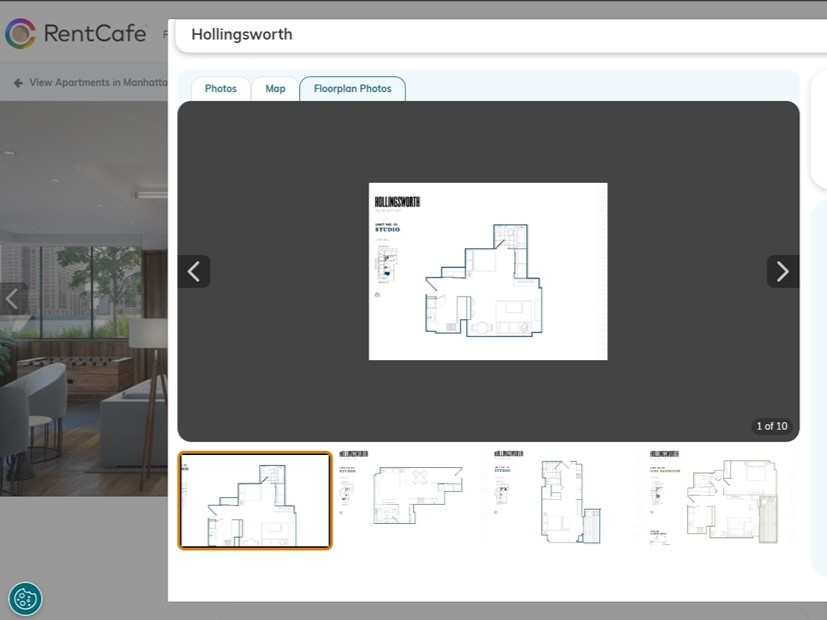
AI can analyze listing images, identify property conditions, and create realistic virtual tours using
AI-generated 3D models. This technology allows buyers to virtually explore homes and sellers to showcase properties effectively.
AI is also instrumental in sentiment analysis, processing social media, news articles, and online reviews to gauge public sentiment about real estate markets. This insight helps identify emerging high-demand areas and negative trends, aiding investors in making strategic decisions.
Furthermore,
AI strengthens security by detecting fraud in real estate transactions. Tools like
Ocrolus use
AI to review transaction documents and identify fraud risks, ensuring safe and secure dealings for buyers, lenders, and agents.
Lastly,
AI simplifies property management for owners and landlords. By automating tasks such as rent collection tracking and tenant communication,
AI improves efficiency and tenant satisfaction.
AppFolio is an example of a platform that leverages
AI to streamline property management tasks.
As
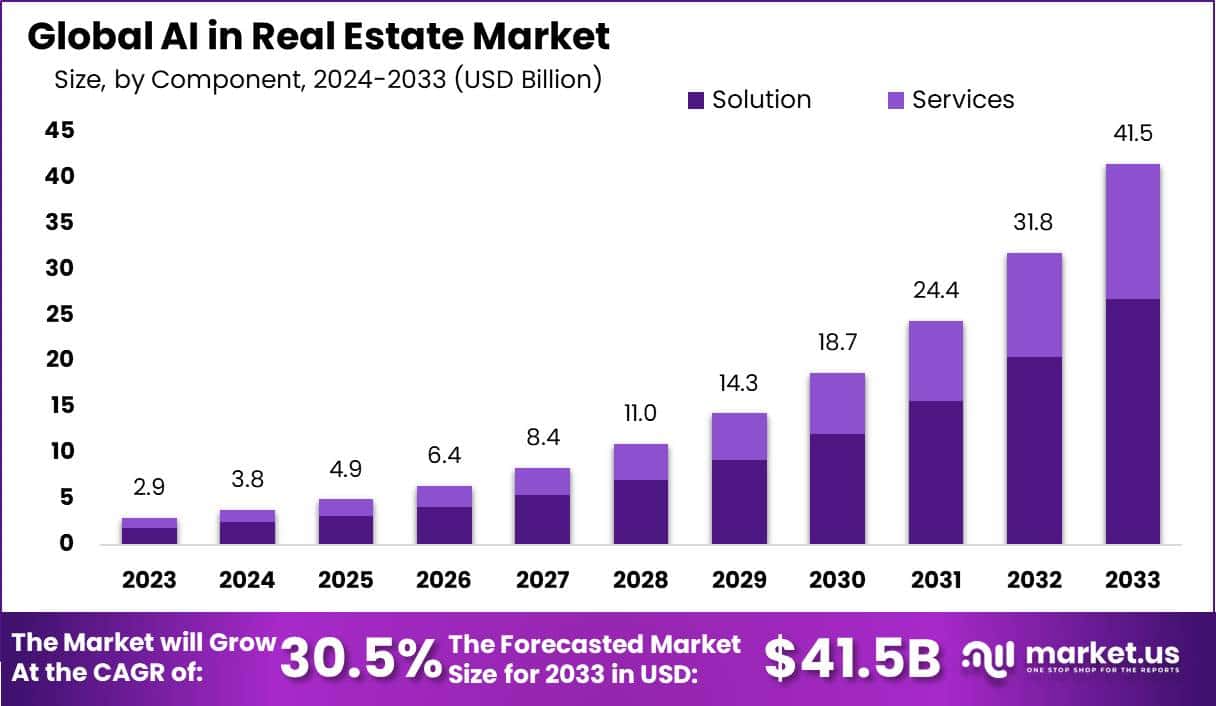
AI continues to evolve, its impact on real estate will only grow stronger. The future promises more advanced
AI-powered analytics, natural language processing, and automated property transactions, further revolutionizing the industry. For those in real estate, embracing
AI tools is essential to staying ahead in this data-driven world.