Autonomous Vehicles: Driving the Future of Urban Mobility and Economic Growth
The recent enactment of the Automated Vehicles Act in the UK heralds a new era for transportation, with self-driving vehicles expected to hit the roads by 2026. This legislative milestone is poised to revolutionize how people and goods move across the nation, potentially transforming urban spaces and transport systems as we know them.
Economic Impact and Societal Interactions
Understanding the intersection between autonomous vehicles (AVs) and society is crucial for assessing their economic impact. According to a study referenced by the Economics Observatory, the potential economic benefits in the UK could reach £51 billion by 2030. These gains stem from consumer savings, reduced travel time, and improved safety. The UK government is actively exploring policies to ensure AVs support sustainable economic growth and contribute to the transition to net-zero emissions.
Transforming Transport and Logistics
The transport and logistics sectors are expected to be early adopters of AV technology, driven by the promise of reduced costs and increased efficiency. The elimination of human drivers could significantly cut labor expenses, while AVs’ ability to operate 24/7 could enhance productivity and customer satisfaction. Moreover, AVs could optimize delivery routes, addressing last-mile delivery challenges and improving customer experiences. Autonomous drones and robots, for example, could deliver packages to remote locations lacking proper transport infrastructure.
Personal Mobility and Social Inclusion
AVs hold the potential to improve personal mobility, particularly for individuals underserved by current transport systems, such as the elderly and those with disabilities. By reducing transport costs, AVs could enhance mobility for middle and lower-income groups, fostering social inclusion and enabling access to employment and leisure activities. Fleet-based shared automated vehicles could offer low-cost, on-demand services, complementing traditional public transport and improving first- and last-mile connections.
Challenges and Opportunities
Despite their benefits, AVs are expected to disrupt employment in sectors like public transport and delivery services, potentially leading to job losses. Policymakers must focus on education and retraining programs to help displaced workers transition to new roles. Additionally, AVs could exacerbate urban sprawl as individuals choose to live further from urban centers due to reduced transport costs and improved connectivity.
Driving Economic Growth
AVs could significantly boost productivity by reducing travel costs and enhancing connectivity between urban centers and their peripheries. This improved accessibility could lead to job and population relocations, fostering agglomeration economies and increasing firms’ productivity. A study for the United States suggests that AVs could increase GDP by $214 billion and create 2.4 million new jobs.
Environmental Sustainability
AVs offer the potential to optimize fuel consumption and reduce carbon emissions, contributing to a more sustainable transport system. By integrating electric and hybrid vehicles, AVs could further minimize greenhouse gas emissions, aiding in climate change mitigation efforts.
Addressing Concerns and Building Trust
For AVs to gain public acceptance, companies and governments must address concerns about safety, reliability, and cybersecurity. Establishing robust security measures and transparent communication will be critical in fostering public trust. The UK government’s proactive approach to regulating AVs, as outlined in their regulation plan, sets a precedent for ensuring safety and legal clarity.
Conclusion
The advent of autonomous vehicles represents a pivotal moment in the evolution of urban mobility and economic growth. As the UK prepares for their integration into public roads, addressing challenges and leveraging opportunities will be essential in shaping a smarter, more connected future.
More Articles
Getting licensed or staying ahead in your career can be a journey—but it doesn’t have to be overwhelming. Grab your favorite coffee or tea, take a moment to relax, and browse through our articles. Whether you’re just starting out or renewing your expertise, we’ve got tips, insights, and advice to keep you moving forward. Here’s to your success—one sip and one step at a time!
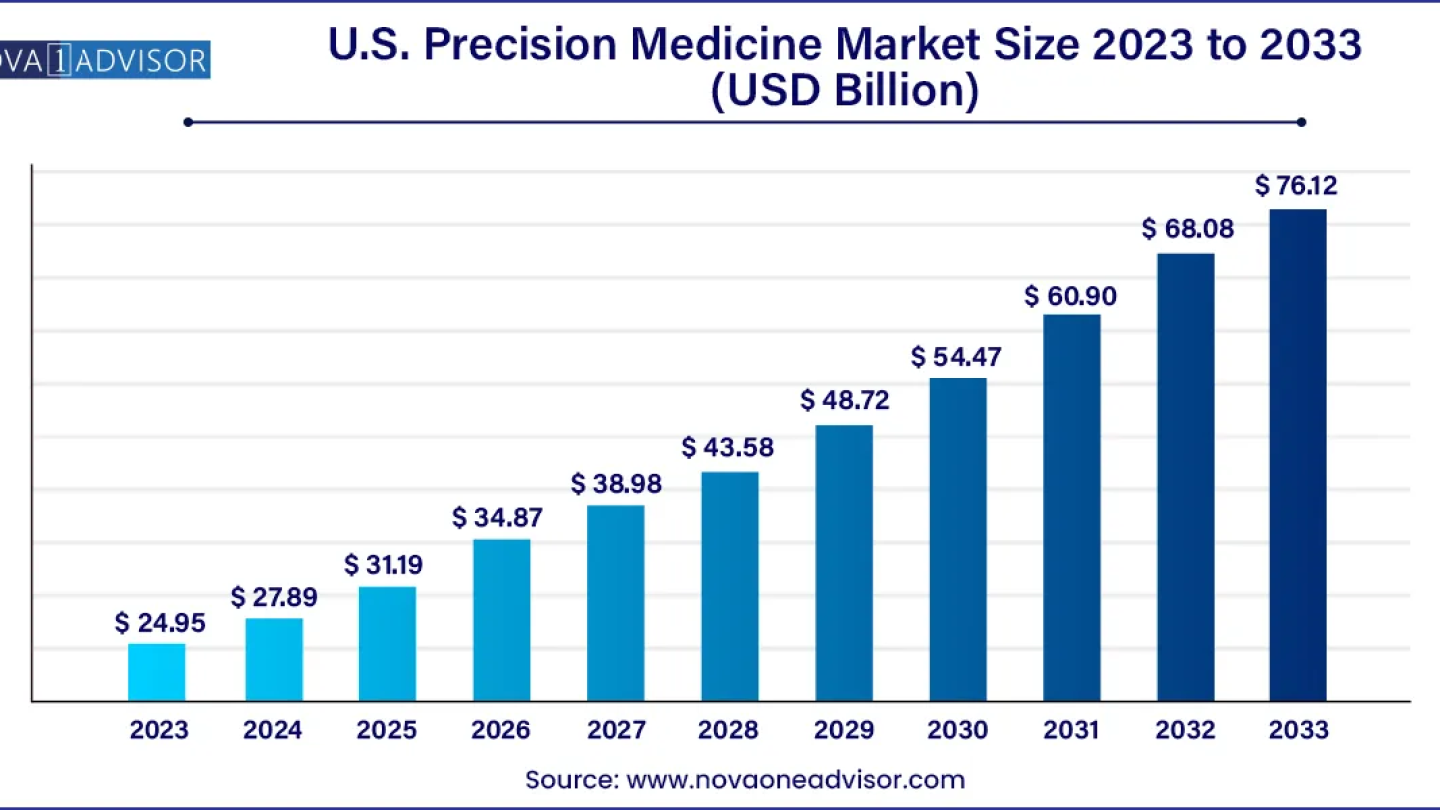
The U.S. precision medicine market is projected to expand from USD 24.95 billion in 2023 to a staggering USD 76.12 billion by 2033, driven by a compound annual growth rate (CAGR) of 11.80% from 2024 to 2033.
"As we edge closer to 2025, experts from the cybersecurity firm Resilience have shared their insights, shedding light on the challenges and transformations that lie ahead."
In an unprecedented leap for preventive medicine, the National Health Service (NHS) in England is poised to trial Aire-DM, a groundbreaking AI tool designed to predict the risk of type 2 diabetes a remarkable 13 years before its onset.
In a groundbreaking study, AI shows potential to match or surpass specialists in diagnosing skin cancer, challenging traditional dermatological practices.
In a world where the promise of personalized medicine is finally being realized, Erez Meltzer, CEO & Board Member of Nanox, stands at the forefront of this revolution.
In a compelling exploration of the financial landscape, Himanshu Kumar, CEO of AMBCrypto, delves into the transformative potential of Decentralized Finance (DeFi) and its implications for traditional banking. Highlighting DeFi's revolutionary approach, Kumar discusses how the democratization of financial services through blockchain technology is reshaping access, breaking down barriers, and challenging established institutions.

 Conclusion
The advent of autonomous vehicles represents a pivotal moment in the evolution of urban mobility and economic growth. As the UK prepares for their integration into public roads, addressing challenges and leveraging opportunities will be essential in shaping a smarter, more connected future.
Conclusion
The advent of autonomous vehicles represents a pivotal moment in the evolution of urban mobility and economic growth. As the UK prepares for their integration into public roads, addressing challenges and leveraging opportunities will be essential in shaping a smarter, more connected future.