In today’s rapidly evolving job market, a college degree might not be the golden ticket it once was. As industries shift and adapt, employers are increasingly seeking candidates who bring more than just academic qualifications to the table. This shift towards skills-based hiring signifies that the value of a degree is now complemented by a diverse skill set and relevant experience.
The original Investopedia article highlights how higher education, while still valuable, is no longer the sole determinant of career success. It underscores the importance of continuous learning and acquiring practical skills to stand out in today’s competitive job market.
The Changing Landscape of Employment
A report from the Center of Education and the Workforce at Georgetown University projects that by 2031, nearly 70% of jobs will require some form of postsecondary education. However, not all of these roles will necessitate a four-year degree. In many fields, particularly in the managerial and professional sectors, skills in STEM (science, technology, engineering, and math), education, and healthcare are increasingly in demand.
Skills Over Degrees
Employers are placing a premium on skills like communication, adaptability, and problem-solving. According to a 2024 LinkedIn survey, these soft skills are as crucial as technical expertise, especially in management roles. The ability to lead and influence, even without a formal title, is becoming a sought-after trait.
Additionally, as noted by career expert Christian Lovell, many companies no longer view a degree as a requirement for roles such as project management. Instead, they focus on specific skills and experience, such as stakeholder management and budget oversight. The field of project management, for example, offers lucrative opportunities with average salaries around $90,942, and it is expected to grow by 7% by 2033, according to the U.S. Bureau of Labor Statistics.
What You Can Do
For those who feel their degree might not suffice, there are actionable steps to enhance employability. Engaging in upskilling and reskilling through online courses, boot camps, and certifications can bridge the gap between academic knowledge and practical skills. TalentGuard emphasizes the strategic importance of adapting to changing skill demands.
Furthermore, gaining practical experience through internships, volunteering, and freelancing can bolster a candidate’s portfolio. Networking remains a powerful tool for job seekers, as connections often lead to opportunities that cold applications cannot.
The Bottom Line
In conclusion, while a college degree remains a valuable asset, it is no longer the definitive path to career success. As the job market continues to evolve, possessing a robust set of skills and relevant experience is paramount. By understanding industry demands and preparing accordingly, individuals can enhance their employability and secure their desired roles.
More Articles
Getting licensed or staying ahead in your career can be a journey—but it doesn’t have to be overwhelming. Grab your favorite coffee or tea, take a moment to relax, and browse through our articles. Whether you’re just starting out or renewing your expertise, we’ve got tips, insights, and advice to keep you moving forward. Here’s to your success—one sip and one step at a time!
December is bringing more than holiday stress—mortgage rates are climbing as the Federal Reserve delivers mixed signals and key economic reports face delays. After sharp swings in November, analysts expect rates to rise through the month, with internal disagreements among Fed members adding to the turbulence. As lenders recalibrate their expectations for early 2026, buyers and industry professionals should brace for rapid, unpredictable rate movements.
Artificial intelligence is rapidly transforming how real estate professionals work, and this week’s updates highlight just how fast the tech is evolving. Rechat’s new integration with Follow Up Boss streamlines CRM, marketing, and communication into one powerful workflow. RealScout has introduced an AI‑driven search tool built specifically for agents, delivering precise results from natural language prompts. Meanwhile, UtahRealEstate.com has launched AI voice search for consumers, offering real‑time conversational home‑finding. Together, these advancements signal a new era of efficiency and opportunity for both new and seasoned real estate professionals.
The Government Accountability Office is urging the FHFA to issue clear, updated guidance for Fannie Mae and Freddie Mac as AI‑driven tools reshape the mortgage industry. With automated valuations, underwriting systems, and algorithmic advertising carrying risks of embedded bias, regulators fear that fast‑moving proptech innovations may unintentionally reinforce past discrimination. The call for action comes as federal oversight shifts and industry professionals face growing pressure to stay compliant in an increasingly digital housing market.
Florida’s real estate and insurance sectors are undergoing major end‑of‑year shifts, from new AI oversight proposals and cooling housing markets to rising insurance premiums and transformative housing legislation. With inventory changes, pricing corrections, and new educational opportunities emerging across the state, professionals and students alike can use these insights to stay ahead in a rapidly evolving 2025–2026 landscape.
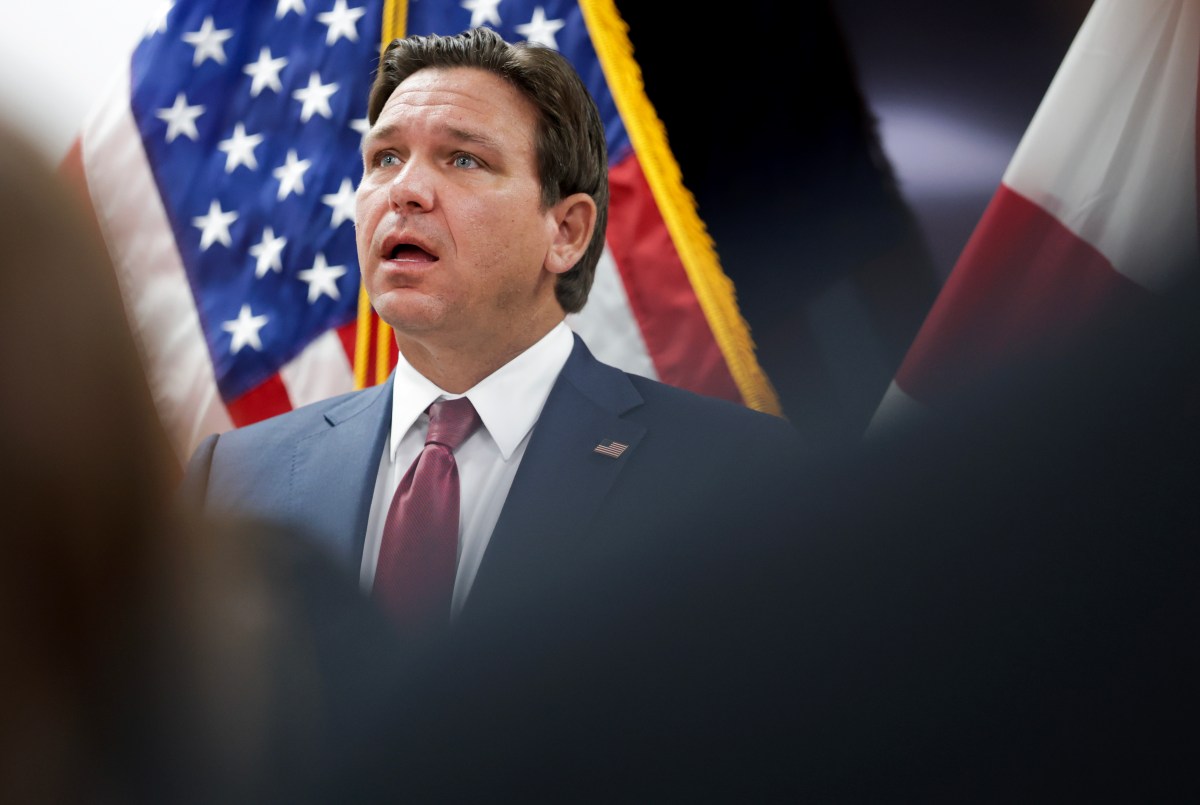
New analysis shows that eliminating property taxes in Florida—an idea promoted by Governor Ron DeSantis—could instantly raise home prices by 7 to 9 percent. While current homeowners may welcome the boost, experts warn it would worsen the state’s affordability crisis and shift tax burdens elsewhere, making it harder for future buyers and first‑time homeowners to enter the market.
Cyprus is rolling out sweeping housing and construction reforms, including fast‑track permits, incentives for affordable development, and a push for EU‑wide housing strategy. With single‑ and two‑family home approvals targeted at 40 days and apartment buildings at 80, the nation is tackling delays and boosting supply—offering insights and parallels for U.S. real estate and development professionals watching global trends.

:max_bytes(150000):strip_icc():format(webp)/GettyImages-2117118389-8a5e60c2bdaf459b95e351a8b039b30c.jpg "Beyond Degrees: Mastering Skills For Career Success In A Dynamic Job Market 2")