In today’s rapidly evolving job market, a college degree might not be the golden ticket it once was. As industries shift and adapt, employers are increasingly seeking candidates who bring more than just academic qualifications to the table. This shift towards skills-based hiring signifies that the value of a degree is now complemented by a diverse skill set and relevant experience.
The original Investopedia article highlights how higher education, while still valuable, is no longer the sole determinant of career success. It underscores the importance of continuous learning and acquiring practical skills to stand out in today’s competitive job market.
The Changing Landscape of Employment
A report from the Center of Education and the Workforce at Georgetown University projects that by 2031, nearly 70% of jobs will require some form of postsecondary education. However, not all of these roles will necessitate a four-year degree. In many fields, particularly in the managerial and professional sectors, skills in STEM (science, technology, engineering, and math), education, and healthcare are increasingly in demand.
Skills Over Degrees
Employers are placing a premium on skills like communication, adaptability, and problem-solving. According to a 2024 LinkedIn survey, these soft skills are as crucial as technical expertise, especially in management roles. The ability to lead and influence, even without a formal title, is becoming a sought-after trait.
Additionally, as noted by career expert Christian Lovell, many companies no longer view a degree as a requirement for roles such as project management. Instead, they focus on specific skills and experience, such as stakeholder management and budget oversight. The field of project management, for example, offers lucrative opportunities with average salaries around $90,942, and it is expected to grow by 7% by 2033, according to the U.S. Bureau of Labor Statistics.
What You Can Do
For those who feel their degree might not suffice, there are actionable steps to enhance employability. Engaging in upskilling and reskilling through online courses, boot camps, and certifications can bridge the gap between academic knowledge and practical skills. TalentGuard emphasizes the strategic importance of adapting to changing skill demands.
Furthermore, gaining practical experience through internships, volunteering, and freelancing can bolster a candidate’s portfolio. Networking remains a powerful tool for job seekers, as connections often lead to opportunities that cold applications cannot.
The Bottom Line
In conclusion, while a college degree remains a valuable asset, it is no longer the definitive path to career success. As the job market continues to evolve, possessing a robust set of skills and relevant experience is paramount. By understanding industry demands and preparing accordingly, individuals can enhance their employability and secure their desired roles.
More Articles
Getting licensed or staying ahead in your career can be a journey—but it doesn’t have to be overwhelming. Grab your favorite coffee or tea, take a moment to relax, and browse through our articles. Whether you’re just starting out or renewing your expertise, we’ve got tips, insights, and advice to keep you moving forward. Here’s to your success—one sip and one step at a time!
Just 48 hours after NAR unveiled major revisions to its MLS policies, plaintiffs in the Michigan-based Hardy lawsuit moved to use those changes as evidence, arguing they prove NAR’s prior rules were anticompetitive. NAR denies any wrongdoing, but the case is quickly becoming a key test for whether MLS access should require Realtor membership — a question now echoing across multiple states and potentially reshaping how real estate professionals nationwide access the industry’s most essential tool.
Florida homeowners are now paying some of the highest insurance premiums in the country, with average costs topping $5,800 per year—nearly double the national average. Residents report skyrocketing rates, denied claims, and tough choices between costly coverage and financial risk. As frustration grows, lawmakers and consumer advocates are pushing new reforms aimed at increasing transparency, capping rate hikes, and protecting policyholders in one of the nation’s most volatile insurance markets.
Economic uncertainty, rapid AI adoption, tighter capital flows, and rising portfolio risk are reshaping the 2026 commercial real estate landscape. From shifting workforce patterns to a national housing attainability crisis, the industry is entering a data‑driven, fundamentals‑focused era—making adaptability, education, and tech literacy essential for real estate professionals.
Mortgage rates have climbed to 6.23 percent as investors grow doubtful that the Federal Reserve will deliver a rate cut in December. A soft but unclear jobs report and persistent inflation have pushed borrowing costs higher, reversing October’s brief relief in the housing market. Real estate and mortgage professionals should prepare clients for continued volatility as the Fed’s December meeting approaches.
After years of tight inventory, high mortgage rates, and sluggish sales, economists say 2026 is shaping up to be the turnaround real estate professionals have been waiting for. NAR projects a 14 percent jump in home sales, mortgage rates easing toward 6 percent, and buyer demand finally gaining momentum. While higher‑end homes are moving quickly, first‑time buyers continue to face affordability challenges, and price reductions are reappearing as sellers adjust to shifting conditions. For Florida agents, brokers, and newcomers, the stage is being set for a busy and opportunity‑rich year.
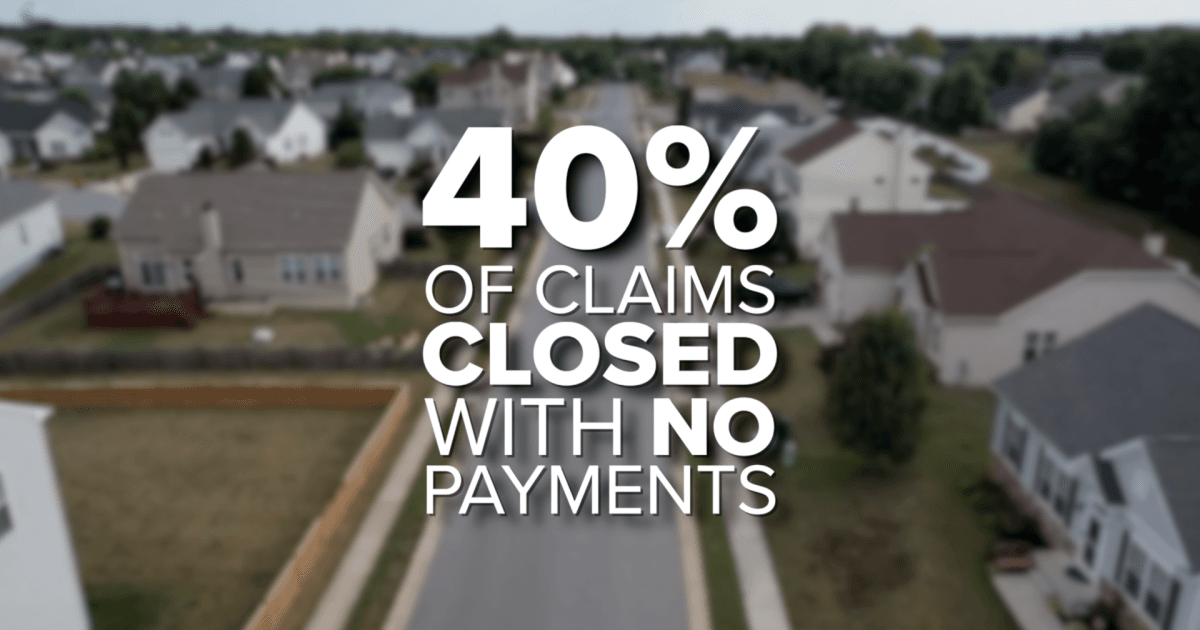
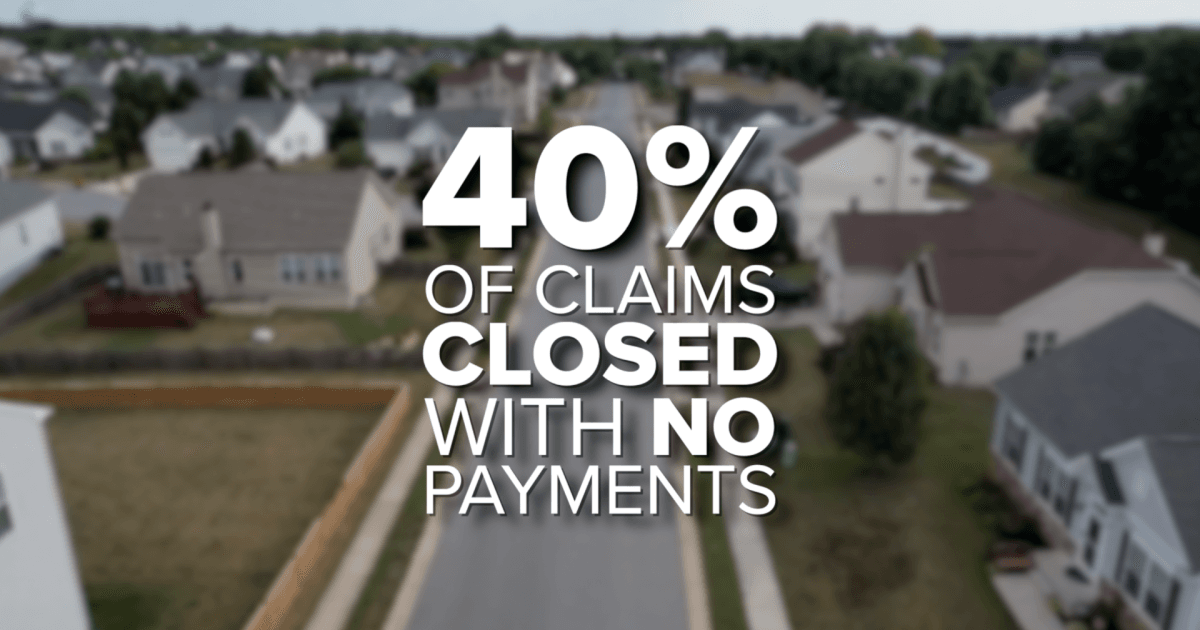
Florida’s average homeowner insurance premium has soared to $5,838 a year—almost $3,000 above the national average—pushing many residents to the financial brink. From tripled premiums to lowball claim payouts, homeowners are speaking out as frustration mounts. Some are even dropping coverage entirely. With more than 40% of claims closed without payment and policy cancellations at record levels, lawmakers are pushing for reforms, but political hurdles remain. The outcome could reshape Florida real estate, insurance, and mortgage markets for years to come.

:max_bytes(150000):strip_icc():format(webp)/GettyImages-2117118389-8a5e60c2bdaf459b95e351a8b039b30c.jpg "Beyond Degrees: Mastering Skills For Career Success In A Dynamic Job Market 2")