In today’s rapidly evolving job market, a college degree might not be the golden ticket it once was. As industries shift and adapt, employers are increasingly seeking candidates who bring more than just academic qualifications to the table. This shift towards skills-based hiring signifies that the value of a degree is now complemented by a diverse skill set and relevant experience.
The original Investopedia article highlights how higher education, while still valuable, is no longer the sole determinant of career success. It underscores the importance of continuous learning and acquiring practical skills to stand out in today’s competitive job market.
The Changing Landscape of Employment
A report from the Center of Education and the Workforce at Georgetown University projects that by 2031, nearly 70% of jobs will require some form of postsecondary education. However, not all of these roles will necessitate a four-year degree. In many fields, particularly in the managerial and professional sectors, skills in STEM (science, technology, engineering, and math), education, and healthcare are increasingly in demand.
Skills Over Degrees
Employers are placing a premium on skills like communication, adaptability, and problem-solving. According to a 2024 LinkedIn survey, these soft skills are as crucial as technical expertise, especially in management roles. The ability to lead and influence, even without a formal title, is becoming a sought-after trait.
Additionally, as noted by career expert Christian Lovell, many companies no longer view a degree as a requirement for roles such as project management. Instead, they focus on specific skills and experience, such as stakeholder management and budget oversight. The field of project management, for example, offers lucrative opportunities with average salaries around $90,942, and it is expected to grow by 7% by 2033, according to the U.S. Bureau of Labor Statistics.
What You Can Do
For those who feel their degree might not suffice, there are actionable steps to enhance employability. Engaging in upskilling and reskilling through online courses, boot camps, and certifications can bridge the gap between academic knowledge and practical skills. TalentGuard emphasizes the strategic importance of adapting to changing skill demands.
Furthermore, gaining practical experience through internships, volunteering, and freelancing can bolster a candidate’s portfolio. Networking remains a powerful tool for job seekers, as connections often lead to opportunities that cold applications cannot.
The Bottom Line
In conclusion, while a college degree remains a valuable asset, it is no longer the definitive path to career success. As the job market continues to evolve, possessing a robust set of skills and relevant experience is paramount. By understanding industry demands and preparing accordingly, individuals can enhance their employability and secure their desired roles.
More Articles
Getting licensed or staying ahead in your career can be a journey—but it doesn’t have to be overwhelming. Grab your favorite coffee or tea, take a moment to relax, and browse through our articles. Whether you’re just starting out or renewing your expertise, we’ve got tips, insights, and advice to keep you moving forward. Here’s to your success—one sip and one step at a time!
Skyrocketing insurance premiums and soaring rebuilding costs are transforming communities across Southwest Florida, especially in the wake of Hurricane Ian. As longtime residents struggle to keep up with rising financial pressure, wealthier newcomers and stricter building standards are reshaping the identity of places like Fort Myers Beach. With insurance rates now driving home sales, triggering potential foreclosures, and squeezing both owners and renters, Florida’s middle-class families face a growing question: can they afford to stay in the state they love?
Florida’s insurance industry is stabilizing fast, with nearly 1.6 million policies shifting from Citizens to private insurers and litigation dropping sharply. Regulators report stronger market confidence, decreasing premiums, and renewed competition—signaling one of the healthiest periods the state has seen in years.
A Leon County judge has ordered the restart of arbitration for Citizens Property Insurance claims, directly conflicting with a previous ruling that halted the process as potentially unconstitutional. With more than 400 cases now back in motion, real estate, insurance, and mortgage professionals can expect renewed activity in claim disputes and fresh uncertainty as Florida courts clash over the legality of Citizens’ arbitration system.
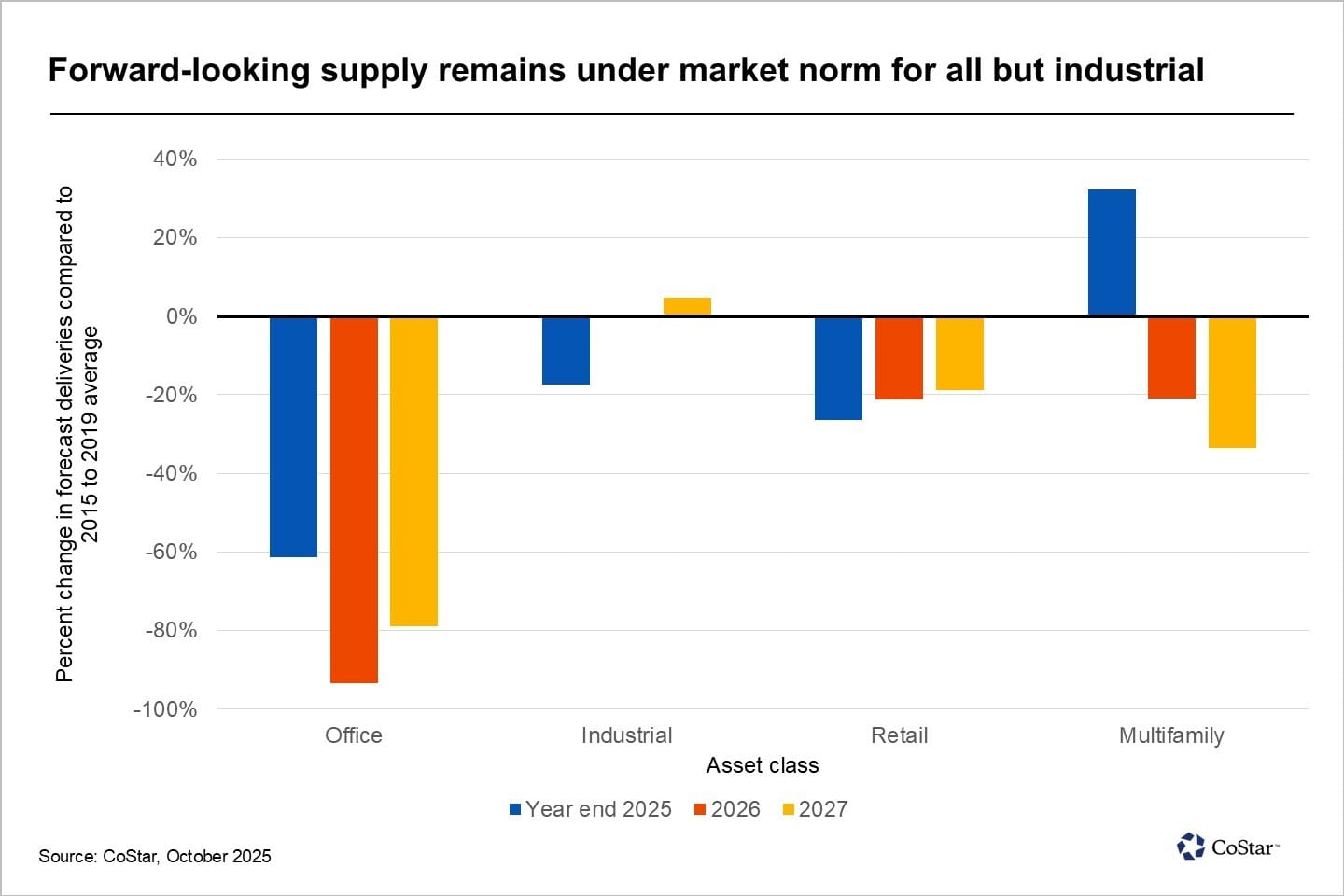
The DFW market is transitioning into a new construction phase marked by a slowdown in office development, a more selective approach to industrial projects, and an evolving housing landscape shaped by affordability and population growth. Developers are recalibrating their priorities, and for real estate professionals, understanding these shifts offers a critical edge in navigating—and capitalizing on—the next phase of the metroplex’s growth.
A new federal lawsuit claims Zillow pushed homebuyers toward Zillow Home Loans by rewarding affiliated agents with valuable leads — all without proper disclosure. The suit alleges undisclosed incentives, referral quotas, and potential RESPA violations, raising major concerns about steering, fiduciary duties, and Zillow’s expanding mortgage ambitions.
The mortgage industry is evolving fast, and the lenders who come out on top will be those who innovate without uprooting what already works. By building on strong technology foundations, streamlining workflows and adopting smart automation, lenders can reduce costs, improve customer experience and stay resilient in any market cycle. This article breaks down why innovation matters now, how a stable tech ecosystem protects lenders in volatile conditions and why small, strategic steps can drive long-term transformation.

:max_bytes(150000):strip_icc():format(webp)/GettyImages-2117118389-8a5e60c2bdaf459b95e351a8b039b30c.jpg "Beyond Degrees: Mastering Skills For Career Success In A Dynamic Job Market 2")