“`html

Boosting Broker Efficiency: A Guide to Faster Closings

In the ever-changing landscape of the brokerage industry, speed has become a critical factor in maintaining a competitive edge. As the market continues to fluctuate, brokers are finding that faster closings not only enhance their business operations but also significantly improve client satisfaction and retention.


According to a recent article by MPA Mag, provided by RCN Capital, brokers who can close deals swiftly are better positioned to thrive in 2025. The article highlights several strategies to achieve this, including the importance of organization, the use of technological tools, and leveraging private lending.


Building a Solid Foundation

One of the key strategies for faster closings is ensuring that brokers have a well-organized system in place. This includes accurate project tracking and compliant storage of documentation. Technological tools can assist brokers in these areas, especially as tech continues to expand within the real estate industry.


Leveraging Private Lending

Private lending offers a significant advantage in achieving faster closings. These lenders specialize in the asset classes they lend on, allowing them to quickly vet deals and streamline the process. Their flexibility in requirements and underwriting often results in reduced turn times compared to traditional lending.


Expertise and Client Management

For brokers, assuming the role of industry expert is crucial, even when dealing with experienced clients. This involves having practical expertise in generating comparable property lists and determining deal viability. A clear business strategy and organized project paperwork can lead to smoother processes and fewer questions from financiers and contractors.


In conclusion, as brokers navigate the challenges of 2025, the ability to close deals quickly and efficiently will be essential. By implementing these strategies, brokers can not only survive but thrive in the evolving market landscape.

“`

More Articles

Getting licensed or staying ahead in your career can be a journey—but it doesn’t have to be overwhelming. Grab your favorite coffee or tea, take a moment to relax, and browse through our articles. Whether you’re just starting out or renewing your expertise, we’ve got tips, insights, and advice to keep you moving forward. Here’s to your success—one sip and one step at a time!

Unlocking Real Estate Wealth in 2025: Strategies for Success

Step into 2025, where the real estate market emerges as a resilient beacon amidst economic unpredictability. Investors are increasingly drawn to secondary cities like Austin and Manchester, attracted by their growth potential, affordability, and enhanced quality of life.

By |February 18, 2025|Categories: Article, Investment Strategies, Real Estate|Tags: , |0 Comments

AI and Urbanization Drive Home Services Market Growth

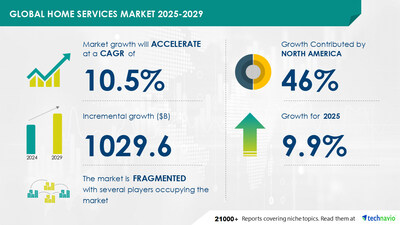
The global home services market is poised for significant growth, with projections indicating an increase of USD 1.03 trillion from 2025 to 2029. This forecasted expansion is attributed to increasing urbanization and the transformative impact of AI on market trends, according to a recent report by Technavio.

Decoding the U.S. Housing Crisis: A Study of Historic Policy Missteps and Demographic Shift

In a revealing study by USC, the roots of the current housing crisis in the United States are traced back to policy missteps and demographic changes that have been unfolding since the early 2000s. The study highlights how these factors have left millennials and people of color disproportionately affected.

Best Real Estate Crowdfunding Platforms for February 2025: Investopedia’s Top Picks

Fundrise stands out for offering investors a chance to diversify their portfolios with real estate exposure through proprietary funds. With a minimum investment as low as $10, it opens doors to beginners and seasoned investors alike.

Top Real Estate Investment Apps of 2025: A Guide for First-Time and Experienced Investors

Business Insider has reviewed a range of platforms available in 2025, focusing on key factors like fees, accessibility for accredited vs. non-accredited investors, and the types of real estate investments offered.