In a move that has sparked significant controversy, the State Bar of California has admitted to utilizing artificial intelligence (AI) in the development of some of its bar exam questions. This revelation has drawn widespread criticism and concern from various stakeholders in the legal community.

California state bar headquarters

The admission came after numerous candidates reported technical issues and irregularities during the February bar exam, as detailed in a Los Angeles Times article. The State Bar’s decision to incorporate AI into the exam process was made public through a news release, revealing that AI-assisted questions were crafted by ACS Ventures, the Bar’s independent psychometrician.

Mary Basick, assistant dean of academic skills at UC Irvine Law School, expressed her disbelief, stating, “Having the questions drafted by non-lawyers using artificial intelligence is just unbelievable.” This sentiment was echoed by Katie Moran, an associate professor at the University of San Francisco School of Law, who criticized the potential conflict of interest, as the same psychometricians responsible for developing the AI questions were also tasked with validating them.

The State Bar’s executive director, Leah Wilson, defended the integrity of the AI-developed questions, asserting confidence in their ability to assess legal competence fairly. However, the controversy continues to unfold as critics call for greater transparency and accountability.

For further details, refer to the original article by Jenny Jarvie in the Los Angeles Times.

More Articles

Getting licensed or staying ahead in your career can be a journey—but it doesn’t have to be overwhelming. Grab your favorite coffee or tea, take a moment to relax, and browse through our articles. Whether you’re just starting out or renewing your expertise, we’ve got tips, insights, and advice to keep you moving forward. Here’s to your success—one sip and one step at a time!

Revolutionizing Real Estate with IoT: A New Era of Smart Homes

The real estate industry is on the brink of a transformation, driven by the integration of the Internet of Things (IoT). This technological advancement is reshaping how buildings operate and enhancing tenant experiences across the globe.

New Orleans as a Beacon of Resilience: The Sixth Triennial

"This framework postulates New Orleans as already living in the future," said Patterson during the exhibition's opening. Lash added, "We want to show New Orleans as a gift and as a scout." The exhibition, featuring 51 artists across 21 venues, highlights how contemporary art can serve as an engine of coping, rather than mere recovery.

By |March 6, 2025|Categories: Art, Article, Culture|Tags: , |0 Comments

Navigating Trump’s Tax Proposals: Key Changes Ahead

As the dust settles on the recent Republican victory in the U.S. presidential election, the tax landscape is poised for significant changes with President-elect Donald Trump set to return to the White House.

By |March 6, 2025|Categories: Article, Tax Policy, U.S. Politics|Tags: , |0 Comments

Multifamily Housing Sector: Modest Growth and Market Predictions for 2025

As we step into 2025, the multifamily housing sector is projected to experience modest growth. Yardi Matrix anticipates a 1.5% increase in rents, driven by positive economic conditions and stable industry fundamentals, particularly in the Northeast and Midwest regions. However, the rent growth forecasts vary across different markets.

Renter Preferences for 2024: Insights from Industry Surveys

Recent surveys have shed light on the preferences and priorities of renters in 2024, emphasizing the dominance of digital marketing and the importance of community inclusiveness.

AI Revolutionizes the Real Estate Market

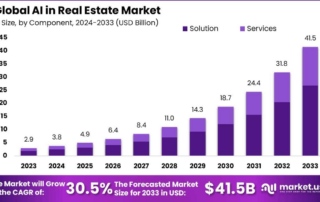
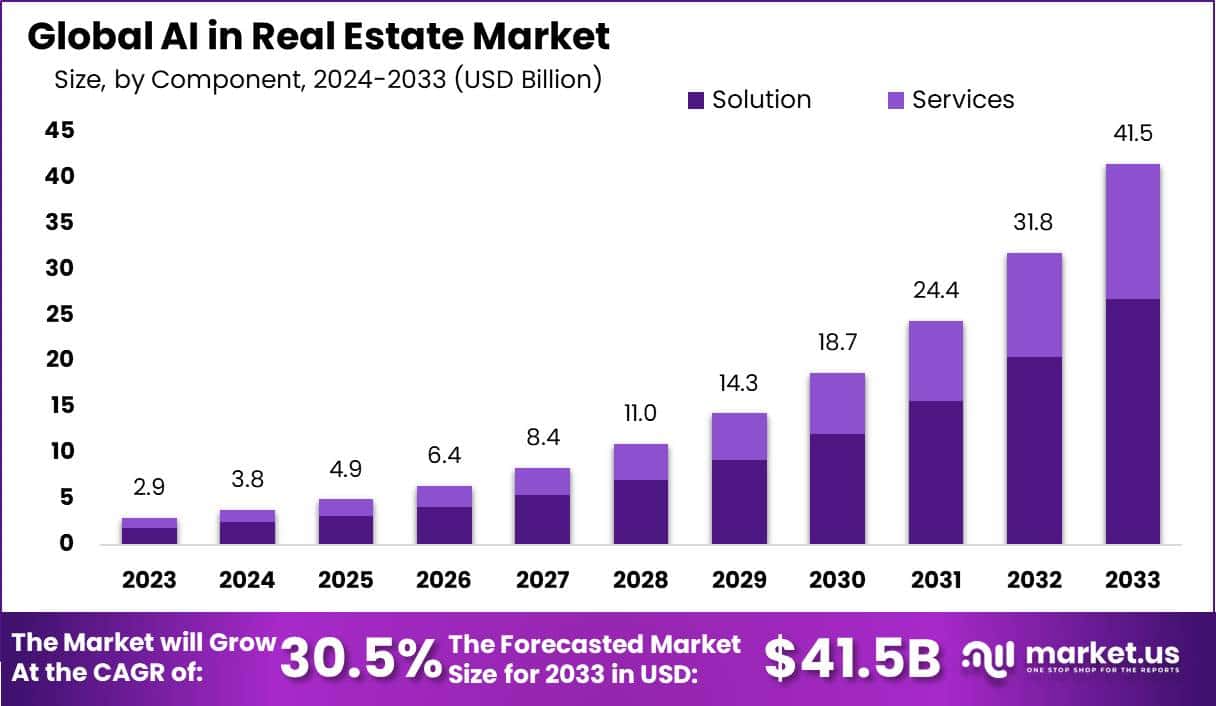
The real estate industry is on the brink of a technological transformation, with Artificial Intelligence (AI) playing a pivotal role. According to a recent report by Market.us, the AI in real estate market is projected to surge from USD 2.9 Billion in 2023 to a staggering USD 41.5 Billion by 2033, growing at an impressive CAGR of 30.5%.