In a move that has sparked significant controversy, the State Bar of California has admitted to utilizing artificial intelligence (AI) in the development of some of its bar exam questions. This revelation has drawn widespread criticism and concern from various stakeholders in the legal community.
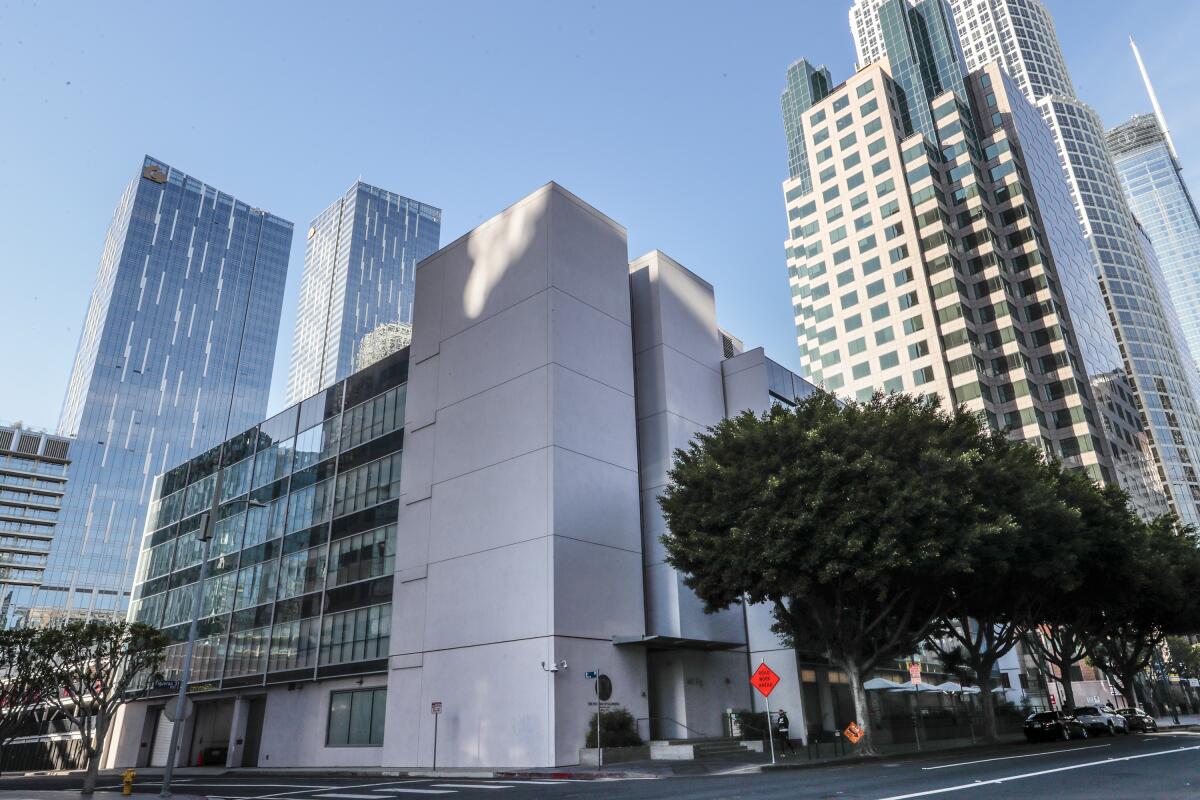
California state bar headquarters

The admission came after numerous candidates reported technical issues and irregularities during the February bar exam, as detailed in a Los Angeles Times article. The State Bar’s decision to incorporate AI into the exam process was made public through a news release, revealing that AI-assisted questions were crafted by ACS Ventures, the Bar’s independent psychometrician.

Mary Basick, assistant dean of academic skills at UC Irvine Law School, expressed her disbelief, stating, “Having the questions drafted by non-lawyers using artificial intelligence is just unbelievable.” This sentiment was echoed by Katie Moran, an associate professor at the University of San Francisco School of Law, who criticized the potential conflict of interest, as the same psychometricians responsible for developing the AI questions were also tasked with validating them.

The State Bar’s executive director, Leah Wilson, defended the integrity of the AI-developed questions, asserting confidence in their ability to assess legal competence fairly. However, the controversy continues to unfold as critics call for greater transparency and accountability.

For further details, refer to the original article by Jenny Jarvie in the Los Angeles Times.

More Articles

Getting licensed or staying ahead in your career can be a journey—but it doesn’t have to be overwhelming. Grab your favorite coffee or tea, take a moment to relax, and browse through our articles. Whether you’re just starting out or renewing your expertise, we’ve got tips, insights, and advice to keep you moving forward. Here’s to your success—one sip and one step at a time!

California’s Commercial Leasing Landscape Set for Transformation

In a significant legislative shift, California is poised to introduce new protections for commercial tenants starting January 1, 2025. The Commercial Tenant Protection Act, enacted as SB 1103, extends a suite of protections to 'Qualified Commercial Tenants' (QCTs) that were traditionally reserved for residential tenants.

By |February 15, 2025|Categories: Article, Legislation, Real Estate|Tags: , |0 Comments

Flexible Office Sector Booms Amid Hybrid Work Evolution

The flexible office sector is on an upward trajectory, continuing to expand as hybrid work models evolve. According to a recent report from CoworkingCafe, the coworking inventory grew by an impressive 13% in square footage year-over-year as of the third quarter of 2024.

Navigating North Jersey’s 2025 Real Estate Market: A Forecast for Steady Growth

In the ever-evolving landscape of North Jersey's real estate market, 2025 promises to be a year of continued growth, albeit at a more measured pace.

By |February 15, 2025|Categories: Article, Finance, Real Estate|Tags: |0 Comments

How Hybrid Work Models Shape the Future of Commercial Real Estate

The ongoing uncertainty surrounding remote work continues to dampen office occupancy, lease revenue, and renewal rates in the commercial real estate sector.

MetaWealth: Transforming Real Estate Investment with Blockchain

In the fast-paced world of tech funding, where attention often shifts from one buzzword to another, blockchain technology continues to quietly revolutionize industries, despite the current spotlight on AI. A prime example of this evolution is MetaWealth, a startup that is transforming real estate investment through blockchain technology.

AI Revolutionizes Facility Management Amidst Labor and Efficiency Challenges

Overwhelmed by labor shortages and operational inefficiencies, facility managers are turning to artificial intelligence (AI) as a lifeline.