CRISPR: The Future of Gene Editing and Its Clinical Implications

In a groundbreaking development, CRISPR technology has become the frontrunner in genome editing, surpassing earlier methods like zinc finger nucleases and transcription activator-like effector nucleases. The recent approval by the FDA of the CRISPR-Cas9 drug, exa-cel, marks a significant milestone in clinical applications, particularly for treating sickle cell disease and transfusion-dependent beta thalassemia.
Advancements in CRISPR Technology CRISPR technology is diverse, with various methods tailored for specific applications. CRISPR-Cas9, derived from the immune system of Streptococcus pyogenes, acts as molecular scissors to cut DNA at precise locations. Other variants, such as CRISPR-Cas12 and CRISPR-Cas3, offer unique advantages, including shorter guide RNA requirements and extensive DNA removal capabilities, respectively. Meanwhile, CRISPR-Cas13 targets RNA, opening avenues for treating viral infections like influenza and SARS-CoV-2.
Clinical Trials and Therapeutic Potential The approval of exa-cel, developed by Vertex Pharmaceuticals and CRISPR Therapeutics, is based on promising phase 3 trial data, where a majority of patients with sickle cell disease and beta thalassemia showed significant improvement. Other companies, such as Editas Medicine and Beam Therapeutics, are also exploring CRISPR’s potential in treating these blood disorders through innovative approaches like base editing.
Beyond blood diseases, CRISPR is being trialed for urinary tract infections, hereditary transthyretin amyloidosis, and hereditary angioedema. For instance, Locus Biosciences is conducting trials using CRISPR-Cas3 to tackle antibiotic-resistant UTIs, while Intellia Therapeutics is pioneering therapies for genetic diseases using lipid nanoparticles for systemic delivery.
Expanding Horizons: Cardiovascular and Metabolic Diseases CRISPR’s application extends to cardiovascular diseases, with Verve Therapeutics testing gene editing treatments for familial hypercholesterolemia. In type 1 diabetes, CRISPR Therapeutics is exploring gene-edited pancreatic cells to potentially eliminate the need for lifelong immunosuppression.
Challenges and Ethical Considerations Despite these advancements, challenges remain, particularly concerning the high costs of CRISPR therapies and the regulatory frameworks required to ensure safety and efficacy. Ethical considerations, especially those involving heritable genetic changes, necessitate careful oversight.
As the landscape of gene editing evolves, the focus will be on making these transformative therapies accessible and affordable. The original article from Endocrinology Advisor provides a comprehensive overview of these developments, highlighting the potential of CRISPR to revolutionize medical treatments and improve human health outcomes.

More Articles

Getting licensed or staying ahead in your career can be a journey—but it doesn’t have to be overwhelming. Grab your favorite coffee or tea, take a moment to relax, and browse through our articles. Whether you’re just starting out or renewing your expertise, we’ve got tips, insights, and advice to keep you moving forward. Here’s to your success—one sip and one step at a time!

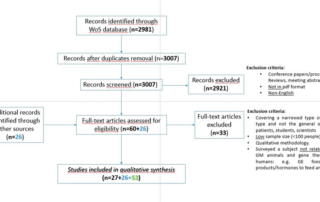
The Genetic Revolution: CRISPR and Public Opinion

CRISPR-Cas9 democratizes the ability to edit genomes with unprecedented precision and ease, transforming scientific research and sparking profound societal and ethical debates.

Revolutionizing Healthcare: The AI Transformation

Artificial Intelligence (AI) is no longer a futuristic concept in healthcare; it is a reality reshaping the industry today. Visionaries like Vinod Khosla have long predicted AI's potential, foreseeing its ability to replace up to 80% of standard medical tasks. This transformation is now evident as AI technologies begin to outperform traditional methods, particularly in areas requiring precision and data processing.

Exploring the Intersection of AI and Patient-Centered Care

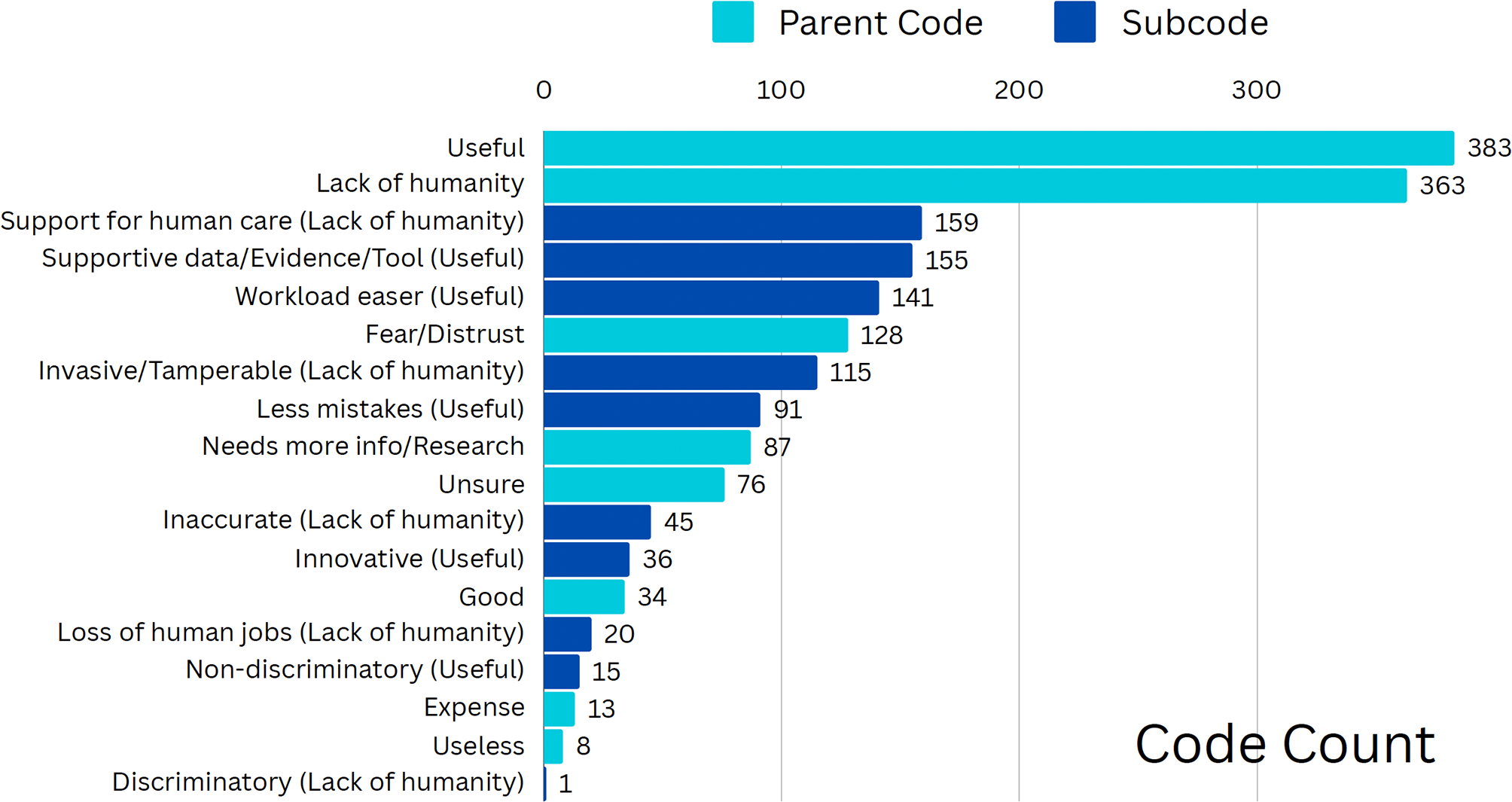
In a groundbreaking study published in BMC Medical Ethics, researchers have delved into the public's perception of artificial intelligence (AI) in healthcare, spotlighting both ethical concerns and potential opportunities for enhancing patient-centered care.

By |December 19, 2024|Categories: Article, Ethics, Healthcare|Tags: , |0 Comments

The AI Revolution in Real Estate

The real estate industry is experiencing a seismic shift, thanks to the integration of artificial intelligence (AI). This cutting-edge technology is fundamentally transforming property acquisition, sales, and management processes. AI's influence extends to predictive analytics, which are reshaping investment decisions, and virtual property tours, which are revolutionizing how we navigate the real estate landscape.

By |December 19, 2024|Categories: Article, Artificial Intelligence, Real Estate|Tags: |0 Comments

Virtual Care in 2024: Challenges and Opportunities for Telehealth

The telehealth market is experiencing a remarkable surge, driven by the increasing adoption of digital health solutions and remote care services.

NAR 2024 Sustainability Report: A Greener Future for Real Estate

The findings suggest that the industry is on the cusp of a "green revolution," with significant strides being made towards sustainability.


By |December 18, 2024|Categories: Article, Real Estate, Sustainability|Tags: , |0 Comments