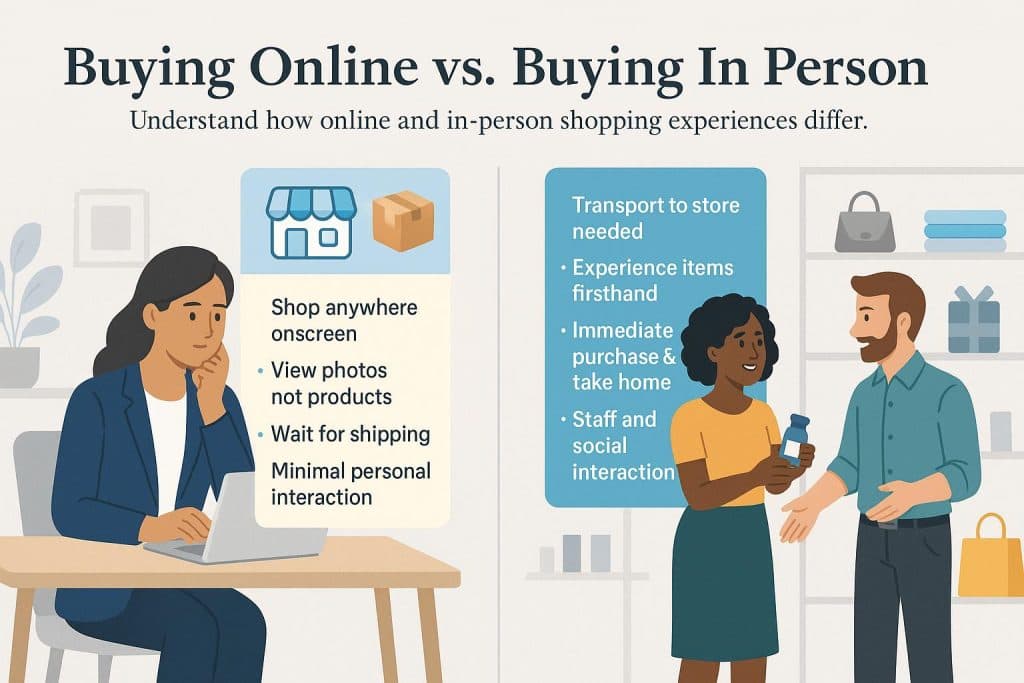
As we venture further into 2025, the landscape of shopping continues to evolve with a fascinating dynamic between online and in-store experiences. According to a recent article from Business.com, the retail sector is witnessing a significant shift in consumer preferences, with approximately 59% of consumers favoring online shopping while 41% still prefer traditional in-store purchases.
The Rise of E-Commerce
Online shopping has become a cornerstone of modern consumer behavior, driven by convenience and variety. Shoppers can browse and purchase items from anywhere at any time, a trend that has only accelerated in recent years. E-commerce platforms offer a vast selection of products, often at competitive prices, thanks to the absence of physical showroom constraints.
Key Benefits of Online Shopping
24/7 Access: Consumers can shop at their convenience without being restricted by store hours.
Personalization: AI-driven features offer tailored recommendations, enhancing the shopping experience.
The Enduring Appeal of Brick-and-Mortar Stores
Despite the rise of online shopping, physical stores remain crucial for many consumers. These locations offer a tactile experience that online platforms cannot replicate. Shoppers can see, touch, and try products before purchasing, which is particularly important for unfamiliar or high-value items.
Advantages of In-Store Shopping
Instant Gratification: Immediate product acquisition without waiting for shipping.
Customer Service: In-store staff provide personalized assistance, fostering trust and loyalty.
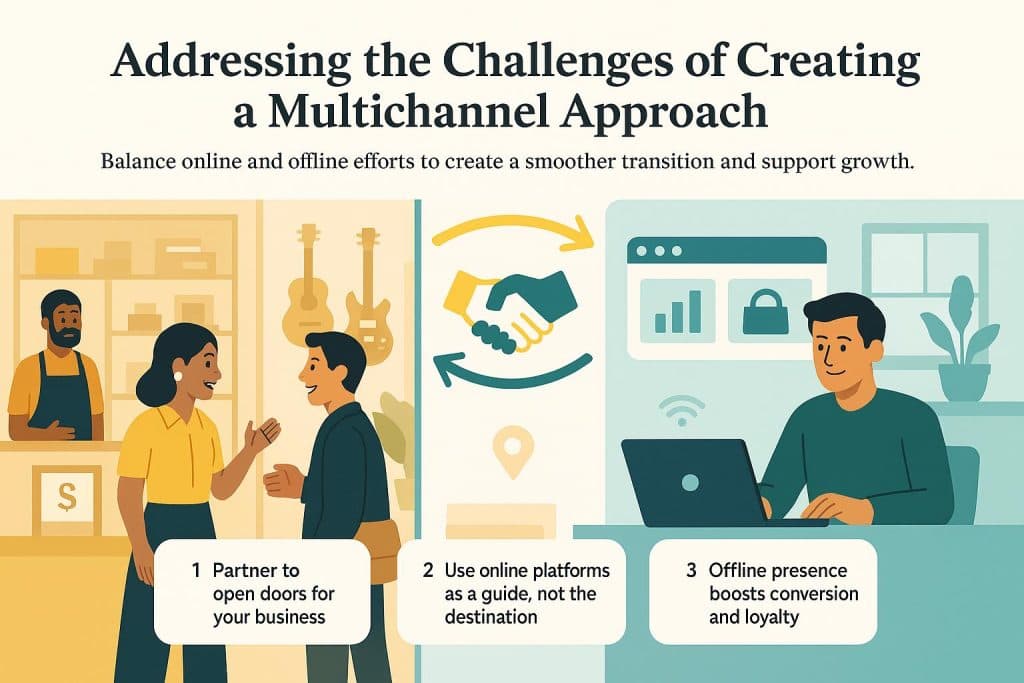
Bridging the Gap: Omnichannel Retail Strategies
Retailers are increasingly adopting omnichannel strategies to blend the best of both worlds. This approach involves integrating online and offline experiences to meet evolving consumer expectations. For instance, Research Online, Purchase Offline (ROPO) behavior is common, where customers research products online but complete purchases in-store for assurance and immediacy.
Tips for Retailers
Implement seamless inventory management across channels.
Offer hybrid fulfillment options like buy online, pick up in-store.
For more insights on adapting to these changes, you can explore the original Business.com article, which delves deeper into the evolving retail landscape and provides valuable strategies for businesses navigating this new era of shopping.
More Articles
Getting licensed or staying ahead in your career can be a journey—but it doesn’t have to be overwhelming. Grab your favorite coffee or tea, take a moment to relax, and browse through our articles. Whether you’re just starting out or renewing your expertise, we’ve got tips, insights, and advice to keep you moving forward. Here’s to your success—one sip and one step at a time!
"Remote work has redefined what homebuyers seek in a property. The demand for larger living spaces has surged as individuals prioritize homes that can accommodate both living and working activities."
Extreme weather events are expected to become more common, affecting real-estate asset values through higher insurance premiums and disruption costs. Despite this, the risk is not yet adequately priced into transaction yields.
Generative AI (GenAI) is emerging as a transformative force, poised to revolutionize real estate operations by automating and optimizing functions such as property operations and asset management with unprecedented insights and efficiency gains.
Almal Real Estate, known for its innovative approaches in the real estate sector, is now setting its sights on international markets, including the UAE, Bali, and Thailand. This expansion is part of a broader strategy to diversify its portfolio and tap into the lucrative commercial real estate sector.
The commercial real estate sector is poised for significant transformation as we move into 2025. This evolution is driven by a confluence of economic shifts, demographic changes, and technological advancements, creating both challenges and opportunities for stakeholders in the industry.
The introduction of a national guidance framework for Global Capability Centres (GCCs) is set to bolster the sector significantly, particularly in tier-II and tier-III cities.