
Falling Rents Today, Rising Pressures Tomorrow: Is a 2026 Rental Squeeze Coming?

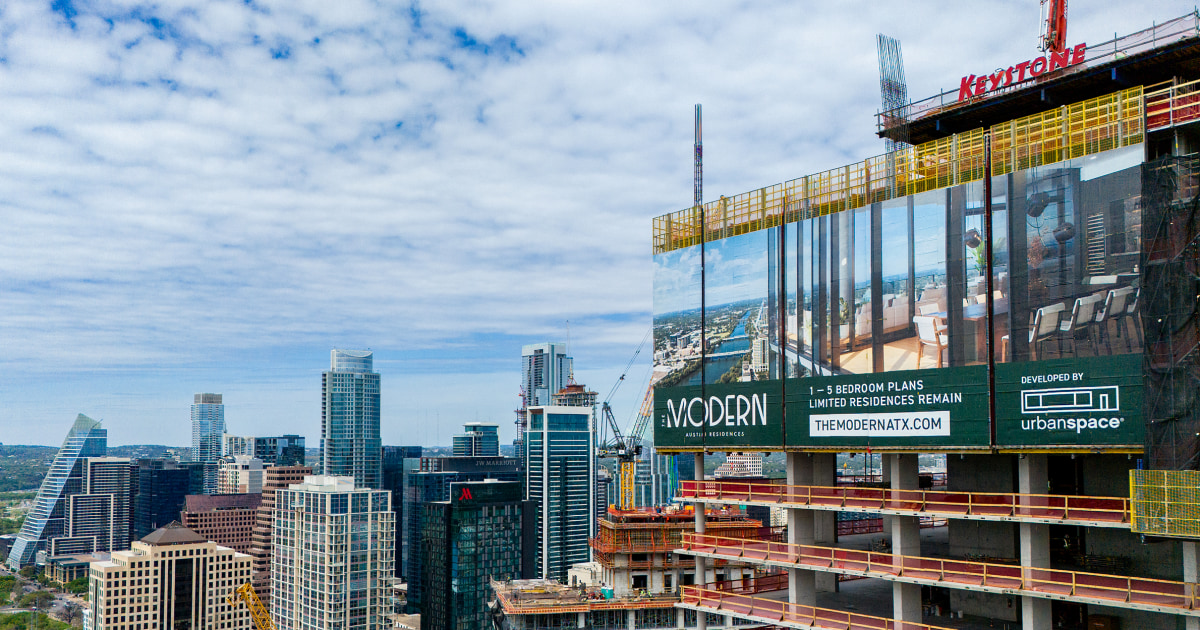
Modern austin residences construction

After a brief moment of relief in 2025, renters across the United States may soon face a very different reality. The surge of newly completed apartments that helped cool rental prices is fading — and new data suggests the supply pipeline for 2026 is thinning rapidly.

This trend was highlighted in an eye‑opening NBC News report that warns of a looming supply crunch. As construction cools and economic pressures rise, renters and real estate professionals may be entering a significantly more competitive market.

The End of a Building Boom

Experts note that the pandemic‑era apartment construction boom has officially wound down. Redfin Chief Economist Daryl Fairweather puts it plainly: “Fewer housing projects are being started and fewer are being completed.”

New federal data from the U.S. Census Bureau and HUD shows:

  • Construction starts down nearly 11% year‑over‑year
  • Completions down a striking 42%

Translation: fewer units being built now means even fewer available in 2026.

Rising Costs, Shrinking Inventory

Higher interest rates, wage increases, fees, and materials have all pressured builders. Large metros have slowed, yet construction has risen in smaller and mid‑sized markets across the Sunbelt and Midwest.

Economist Robert Dietz notes, “It’s cheaper to build in those areas,” although shifting work patterns may soon redirect renters back toward dense urban centers.

Where Rents Are Falling — and Where They’re Not

According to Realtor.com’s latest data, average rents across the 50 largest U.S. metros fell 1% year‑over‑year. Austin and Denver saw large declines, while New York, Chicago, D.C., and San Francisco saw flat or rising rents.

But if supply tightens in 2026, today’s falling‑rent cities could become tomorrow’s competitive battlegrounds.

A Perfect Storm for Renters?

Fairweather and Dietz both warn that renters may face stiff challenges next year. Limited new supply plus fewer homebuyers could push more households into already competitive rental markets.

Expect to see:

  • More intergenerational households
  • More roommate‑based living
  • Renters staying in place longer
  • Increased pressure on new and renovated units

With new permit approvals taking 18+ months to become finished apartments, relief won’t be fast.

What This Means for Real Estate Professionals

Agents, property managers, mortgage specialists, and other housing professionals will need a sharp understanding of these emerging dynamics. With competition rising, the most successful professionals will be those who can guide clients through shifting supply, pricing, and demand.

For anyone looking to sharpen their expertise, Florida’s Cameron Academy offers online courses for real estate, mortgage, insurance, and several other licensing fields — helping professionals stay ahead as the market evolves.

Looking Ahead

Although permit activity is increasing, Dietz expects building momentum to remain “relatively flat” through 2026. With 2024’s inventory fading and fewer new units entering the market, renters could soon face a tighter and more expensive environment.

The bottom line: renters and housing professionals should prepare now — 2026 may be one of the most competitive rental years in recent memory.

More Articles

Getting licensed or staying ahead in your career can be a journey—but it doesn’t have to be overwhelming. Grab your favorite coffee or tea, take a moment to relax, and browse through our articles. Whether you’re just starting out or renewing your expertise, we’ve got tips, insights, and advice to keep you moving forward. Here’s to your success—one sip and one step at a time!

Maximizing Your Real Estate Impact: A Guide to Facebook Pages in 2025

Despite the rise of platforms like TikTok, Facebook remains a powerful tool for real estate professionals aiming to generate leads and build their personal brand.

Urban Revival Sets Stage for Real Estate Boom in Major Cities

The return to office environments is reshaping urban markets, with cities like San Francisco and New York witnessing a resurgence in property demand.

Gen Z’s Innovative Approach to NYC Living: A New Era of Co-Living

In the bustling metropolis of New York City, where rent prices often soar beyond the reach of many, a new trend is emerging among Gen Z: co-living in upscale, amenity-rich spaces for an average of $1,600 a month. This innovative approach is spearheaded by Belgian co-living company, Cohabs, which currently operates 14 properties in the city, housing over 400 members.

By |March 7, 2025|Categories: Article, Lifestyle, Real Estate|Tags: , |0 Comments

Real Estate Market in 2025: Key Trends to Watch

In the ever-evolving landscape of real estate, 2025 is shaping up to be a landmark year. With a new administration in place, the market is poised for significant changes that will impact buyers, sellers, and renters alike.

By |March 7, 2025|Categories: Article, Housing Trends, Real Estate|Tags: |0 Comments

AI in Real Estate: Revolutionizing the Industry

In the ever-evolving world of real estate, artificial intelligence (AI) is not just a tool; it's a revolution. As the digital frontier expands, AI is fundamentally transforming how properties are acquired, sold, and managed. This shift is not merely theoretical; it's a practical upheaval that is reshaping the landscape of real estate with unprecedented precision and efficiency.

Houston’s Real Estate Market in 2025: Stability Amid Change

Local brokerage executives have shared their predictions for Houston's real estate market in 2025. Leaders from renowned agencies foresee a relatively stable market with certain regions experiencing an upward trend.


By |March 6, 2025|Categories: Article, Market Predictions, Real Estate|Tags: |0 Comments