Falling Rents Today, Rising Pressures Tomorrow: Is a 2026 Rental Squeeze Coming?
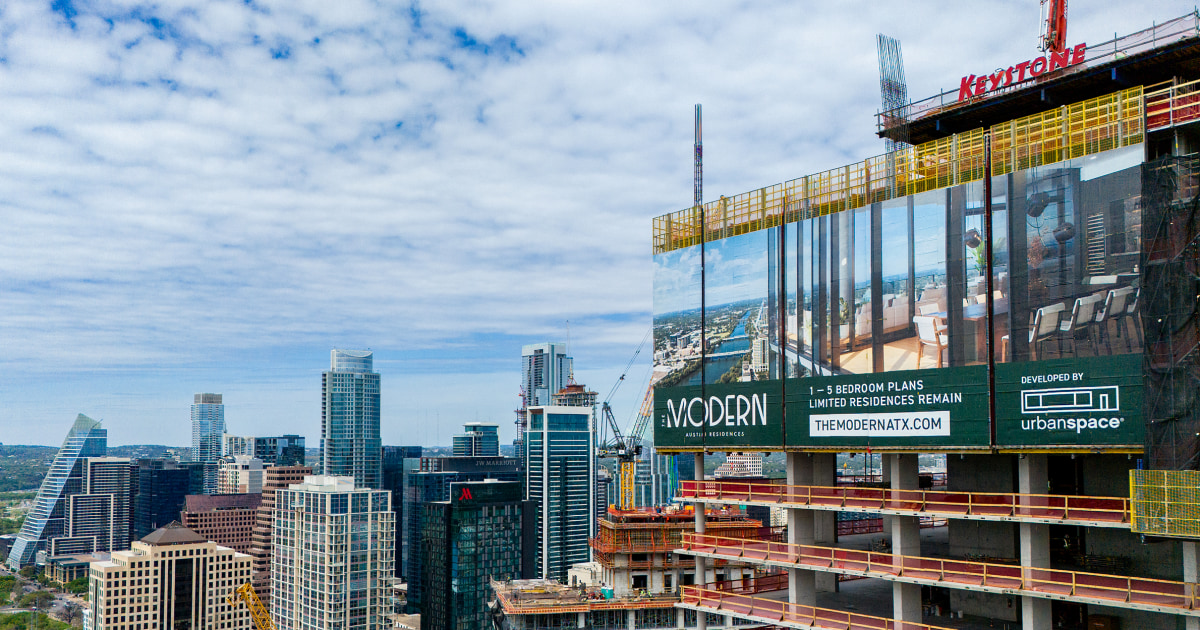
After a brief moment of relief in 2025, renters across the United States may soon face a very different reality. The surge of newly completed apartments that helped cool rental prices is fading — and new data suggests the supply pipeline for 2026 is thinning rapidly.
This trend was highlighted in an eye‑opening NBC News report that warns of a looming supply crunch. As construction cools and economic pressures rise, renters and real estate professionals may be entering a significantly more competitive market.
The End of a Building Boom
Experts note that the pandemic‑era apartment construction boom has officially wound down. Redfin Chief Economist Daryl Fairweather puts it plainly: “Fewer housing projects are being started and fewer are being completed.”
New federal data from the U.S. Census Bureau and HUD shows:
- Construction starts down nearly 11% year‑over‑year
- Completions down a striking 42%
Translation: fewer units being built now means even fewer available in 2026.
Rising Costs, Shrinking Inventory
Higher interest rates, wage increases, fees, and materials have all pressured builders. Large metros have slowed, yet construction has risen in smaller and mid‑sized markets across the Sunbelt and Midwest.
Economist Robert Dietz notes, “It’s cheaper to build in those areas,” although shifting work patterns may soon redirect renters back toward dense urban centers.
Where Rents Are Falling — and Where They’re Not
According to Realtor.com’s latest data, average rents across the 50 largest U.S. metros fell 1% year‑over‑year. Austin and Denver saw large declines, while New York, Chicago, D.C., and San Francisco saw flat or rising rents.
But if supply tightens in 2026, today’s falling‑rent cities could become tomorrow’s competitive battlegrounds.
A Perfect Storm for Renters?
Fairweather and Dietz both warn that renters may face stiff challenges next year. Limited new supply plus fewer homebuyers could push more households into already competitive rental markets.
Expect to see:
- More intergenerational households
- More roommate‑based living
- Renters staying in place longer
- Increased pressure on new and renovated units
With new permit approvals taking 18+ months to become finished apartments, relief won’t be fast.
What This Means for Real Estate Professionals
Agents, property managers, mortgage specialists, and other housing professionals will need a sharp understanding of these emerging dynamics. With competition rising, the most successful professionals will be those who can guide clients through shifting supply, pricing, and demand.
For anyone looking to sharpen their expertise, Florida’s Cameron Academy offers online courses for real estate, mortgage, insurance, and several other licensing fields — helping professionals stay ahead as the market evolves.
Looking Ahead
Although permit activity is increasing, Dietz expects building momentum to remain “relatively flat” through 2026. With 2024’s inventory fading and fewer new units entering the market, renters could soon face a tighter and more expensive environment.
The bottom line: renters and housing professionals should prepare now — 2026 may be one of the most competitive rental years in recent memory.