In a significant shake-up to the real estate market, homebuyers and sellers are increasingly questioning the hefty commissions traditionally pocketed by agents. Historically, these commissions have ranged between 5% to 6% of a home’s sale price, a cost that often translates into tens of thousands of dollars. However, recent developments have paved the way for flat-fee brokers to offer a more cost-effective alternative.

The catalyst for this change was a lawsuit settlement involving the National Association of Realtors, which challenged the entrenched commission structures. This legal outcome has led to new policies that emphasize transparency and negotiation, providing an opening for brokers who charge significantly less.

Take the case of Jim Xiao, who opted for a flat $10,000 fee to purchase a home in Evans, Georgia. Xiao’s experience underscores a growing trend among consumers who are seeking better deals in a market characterized by high home prices. “The realtor fees seemed like a fixed, non-negotiable amount,” Xiao remarked. “But with the new rules, there are more options available.”

This shift is not only about cost savings but also about changing the dynamics of how agents are compensated. Now, agents must inform clients that their fees are negotiable, and buyers need to establish clear agreements with their agents regarding payment. Additionally, compensation offers can no longer be listed on multiple listing services (MLS), promoting further transparency.

Flat-fee brokerages like ShopProp are capitalizing on these changes. CEO Rob Luecke emphasizes the potential savings, particularly for high-end homes. For instance, a buyer in Atherton, California, saved $247,000 on a $10.2 million home purchase by opting for a flat fee, which would have otherwise cost a 2.5% commission.

Despite these changes, traditional commission-based agents argue that their fees reflect the level of service and local expertise they provide. Agents like Leanne Liang of Redfin highlight the value of market-specific knowledge, especially in areas with diverse “micro markets.”

As the industry evolves, consumers are encouraged to explore both traditional and flat-fee options to find what best suits their needs. While the rules have changed, the impact on overall commission rates remains modest. According to Redfin’s data, buyer’s agent commissions have seen slight variations, particularly in higher-priced home segments.

Xiao’s story illustrates a broader movement towards informed decision-making in real estate transactions. “It’s about being informed and confident in exploring alternatives,” he advises.

In this new landscape, the real estate market is poised for transformation as more buyers and sellers consider the benefits of flat-fee brokerage services. The original article from NPR provides further insights into these industry shifts, highlighting the ongoing debate between traditional and emerging real estate models.

More Articles

Getting licensed or staying ahead in your career can be a journey—but it doesn’t have to be overwhelming. Grab your favorite coffee or tea, take a moment to relax, and browse through our articles. Whether you’re just starting out or renewing your expertise, we’ve got tips, insights, and advice to keep you moving forward. Here’s to your success—one sip and one step at a time!

The Genetic Revolution: CRISPR and Public Opinion

CRISPR-Cas9 democratizes the ability to edit genomes with unprecedented precision and ease, transforming scientific research and sparking profound societal and ethical debates.

Revolutionizing Healthcare: The AI Transformation

Artificial Intelligence (AI) is no longer a futuristic concept in healthcare; it is a reality reshaping the industry today. Visionaries like Vinod Khosla have long predicted AI's potential, foreseeing its ability to replace up to 80% of standard medical tasks. This transformation is now evident as AI technologies begin to outperform traditional methods, particularly in areas requiring precision and data processing.

Exploring the Intersection of AI and Patient-Centered Care

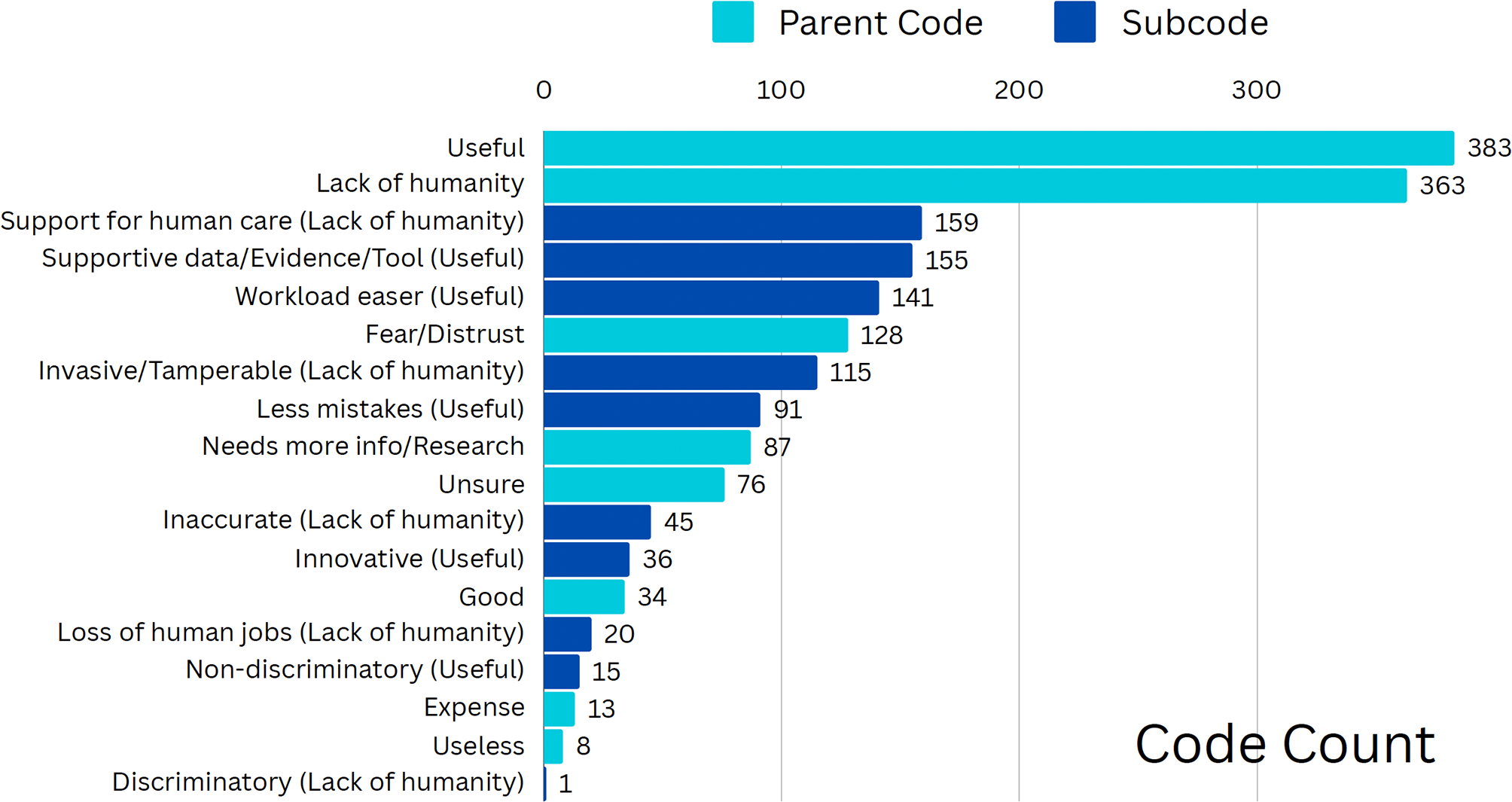
In a groundbreaking study published in BMC Medical Ethics, researchers have delved into the public's perception of artificial intelligence (AI) in healthcare, spotlighting both ethical concerns and potential opportunities for enhancing patient-centered care.

By |December 19, 2024|Categories: Article, Ethics, Healthcare|Tags: , |0 Comments

The AI Revolution in Real Estate

The real estate industry is experiencing a seismic shift, thanks to the integration of artificial intelligence (AI). This cutting-edge technology is fundamentally transforming property acquisition, sales, and management processes. AI's influence extends to predictive analytics, which are reshaping investment decisions, and virtual property tours, which are revolutionizing how we navigate the real estate landscape.

By |December 19, 2024|Categories: Article, Artificial Intelligence, Real Estate|Tags: |0 Comments

Virtual Care in 2024: Challenges and Opportunities for Telehealth

The telehealth market is experiencing a remarkable surge, driven by the increasing adoption of digital health solutions and remote care services.

NAR 2024 Sustainability Report: A Greener Future for Real Estate

The findings suggest that the industry is on the cusp of a "green revolution," with significant strides being made towards sustainability.


By |December 18, 2024|Categories: Article, Real Estate, Sustainability|Tags: , |0 Comments