In the ever-evolving landscape of cryptocurrency, regulation remains a pivotal issue both in the United States and globally. As governments strive to balance innovation with investor protection, the rules governing digital currencies like Bitcoin and Ethereum are becoming increasingly complex and varied across different nations.


In the United States, cryptocurrencies are primarily treated as property for tax purposes, akin to assets such as stocks or real estate. This classification subjects crypto transactions to capital gains tax, with the IRS requiring meticulous record-keeping and reporting. From January 1, 2025, cryptocurrency brokers in the U.S. will be mandated to report users’ digital asset sales to the IRS using Form 1099-DA.


Globally, the regulatory landscape is as diverse as the nations themselves. In Australia, for instance, anyone operating a digital currency exchange must register with AUSTRAC under the Anti-Money Laundering and Counter-Terrorism Financing Act 2006. Meanwhile, Brazil has introduced the Virtual Assets Act to ensure crypto service providers comply with financial regulations.


In Canada, crypto exchanges are required to register with FINTRAC, adhering to anti-money laundering laws, while in China, the government has imposed stringent restrictions, branding crypto mining as an “undesirable industry” due to energy consumption concerns.


The European Union has established the Markets in Crypto-Assets Regulation (MiCA), aiming to safeguard consumer protection, financial stability, and market integrity. This regulation requires Crypto-Asset Service Providers (CASPs) to obtain authorization, ensuring they meet specific standards to protect users.


India, on the other hand, imposes a flat 30% tax on income from the transfer of Virtual Digital Assets (VDAs), with additional provisions for Tax Deducted at Source (TDS) on payments exceeding certain thresholds. Japan categorizes crypto profits as “miscellaneous income”, subjecting them to progressive tax rates.


Singapore’s approach under the Payment Services Act 2019 (PSA) exempts digital payment tokens from GST, while South Korea will implement a 20% tax on cryptocurrency gains exceeding 50 million Korean won in 2025.


In the UK, cryptocurrency activities are overseen by the Financial Conduct Authority (FCA) under the Money Laundering Regulations (MLRs). Crypto is taxed under Capital Gains Tax (CGT) and Income Tax, depending on its use.


As noted in the original article from NFT Evening, the challenge for governments worldwide is to find the right balance between regulation and innovation. While rules are essential to prevent scams and protect investors, overly stringent regulations could stifle technological advancement.


As the global digital currency market continues to evolve, staying informed about the regulatory environment is crucial for investors and businesses alike. The next few years will be pivotal in determining how cryptocurrencies integrate into the global financial system.

More Articles

Getting licensed or staying ahead in your career can be a journey—but it doesn’t have to be overwhelming. Grab your favorite coffee or tea, take a moment to relax, and browse through our articles. Whether you’re just starting out or renewing your expertise, we’ve got tips, insights, and advice to keep you moving forward. Here’s to your success—one sip and one step at a time!

2025 Commercial Real Estate Outlook: Navigating a New Era

The commercial real estate landscape is on the brink of transformation as leaders seek to navigate the challenges of recent years and position their organizations for future opportunities.

The Emerging Mental Health Crisis Among Healthcare Workers During the COVID-19 Pandemic

The pandemic has ushered in a wave of mental health challenges that affect healthcare workers profoundly. From the onset of COVID-19, these professionals have been at the forefront, facing immense pressure, long hours, and the constant fear of exposure.

By |December 18, 2024|Categories: Article, Healthcare Workers, Mental Health|Tags: , |0 Comments

Ethical Concerns of Large Language Models in Healthcare

Exploring the dual nature of LLMs offers substantial benefits in healthcare but also raises significant ethical concerns, underscoring the need for well-defined guidelines and human oversight.

The Role of Wearable Devices in Chronic Disease Monitoring and Patient Care: A Comprehensive Review

Wearable devices have become integral in managing chronic conditions by providing continuous health data, empowering patients and healthcare professionals with insights that were previously unattainable.

AI Training Mandates: Navigating Legal Waters in Dentistry

The integration of artificial intelligence (AI) into dental practices is more than a technological trend; it represents a seismic shift in the industry. This transformation is reshaping skill sets and prompting a thorough examination of legal and ethical implications.

By |December 17, 2024|Categories: Article, Legal, Technology|Tags: , |0 Comments

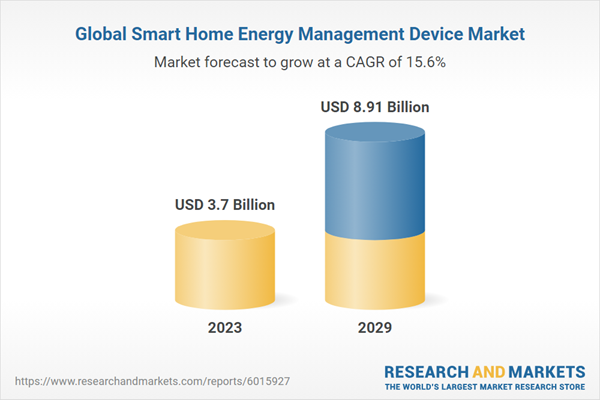
Smart Home Energy Management Devices: A Market Poised for Growth

The Global Smart Home Energy Management Device Market is on the brink of a significant transformation, driven by escalating demands for energy-efficient solutions and the increasing adoption of smart home technologies.