Green Building Trends and Drivers for U.S. Commercial Real Estate Investors

As the landscape of commercial real estate evolves, institutional investors are encountering a myriad of challenges that are shaping their investment strategies. One of the most significant factors influencing these strategies is the rise in interest rates, which has become a central concern for investors seeking to maximize returns.
Adapting to Climate Risks
In this dynamic environment, sustainability and climate risk mitigation have emerged as critical components of investment strategies. According to the U.S. Green Building Council, investors are increasingly focusing on decarbonizing their portfolios and adapting to climate change. This shift is driven by both regulatory pressures and a growing demand for low-carbon assets.
The Urban Land Institute’s 2024 Report highlights how high interest rates can slow economic growth and reduce business investments. However, investors see opportunities in sustainable investments that offer competitive advantages and enhanced asset value.

Investment in Sustainable Assets


Sustainable investments not only help mitigate climate risks but also offer financial benefits. A report by JLL reveals that tenants are willing to pay a premium for Class A sustainable spaces. This trend underscores the importance of investing in green buildings to attract high-value tenants and enhance brand recognition.
Moreover, the World Economic Forum warns of a potential supply gap in low-carbon buildings, which could reach 70% by 2030. This gap presents a unique opportunity for investors to capitalize on the demand for sustainable real estate.

Managing Climate Risks


Investors are increasingly prioritizing risk mitigation as a core business function. Transition risk involves adapting to a low-carbon economy, while physical risk pertains to the tangible impacts of climate change, such as floods and fires. The U.S. SEC’s pending regulations on climate disclosures highlight the need for transparency in addressing these risks.
Data management plays a crucial role in navigating these challenges. By integrating ESG information with financial reporting, investors can make informed decisions and comply with regulatory requirements.

Access to Capital and Rising Insurance Premiums


Accessing low-cost capital is vital for managing climate risks and completing energy-efficient projects. Programs like the Better Buildings Financial Solutions offer financial incentives to support green infrastructure investments.
Rising insurance premiums are another concern for real estate investors. Strategies such as credit swaps and indemnity agreements are being explored to minimize costs and safeguard capital reserves.

Conclusion


In conclusion, the commercial real estate sector is undergoing a transformation as investors prioritize sustainability and climate risk mitigation. By leveraging data-driven strategies and exploring diverse financing options, investors can enhance the resilience and sustainability of their portfolios. Embracing these approaches not only meets regulatory requirements and tenant expectations but also yields higher risk-adjusted returns.

More Articles

Getting licensed or staying ahead in your career can be a journey—but it doesn’t have to be overwhelming. Grab your favorite coffee or tea, take a moment to relax, and browse through our articles. Whether you’re just starting out or renewing your expertise, we’ve got tips, insights, and advice to keep you moving forward. Here’s to your success—one sip and one step at a time!

2025 Commercial Real Estate Outlook: Navigating a New Era

The commercial real estate landscape is on the brink of transformation as leaders seek to navigate the challenges of recent years and position their organizations for future opportunities.

The Emerging Mental Health Crisis Among Healthcare Workers During the COVID-19 Pandemic

The pandemic has ushered in a wave of mental health challenges that affect healthcare workers profoundly. From the onset of COVID-19, these professionals have been at the forefront, facing immense pressure, long hours, and the constant fear of exposure.

By |December 18, 2024|Categories: Article, Healthcare Workers, Mental Health|Tags: , |0 Comments

Ethical Concerns of Large Language Models in Healthcare

Exploring the dual nature of LLMs offers substantial benefits in healthcare but also raises significant ethical concerns, underscoring the need for well-defined guidelines and human oversight.

The Role of Wearable Devices in Chronic Disease Monitoring and Patient Care: A Comprehensive Review

Wearable devices have become integral in managing chronic conditions by providing continuous health data, empowering patients and healthcare professionals with insights that were previously unattainable.

AI Training Mandates: Navigating Legal Waters in Dentistry

The integration of artificial intelligence (AI) into dental practices is more than a technological trend; it represents a seismic shift in the industry. This transformation is reshaping skill sets and prompting a thorough examination of legal and ethical implications.

By |December 17, 2024|Categories: Article, Legal, Technology|Tags: , |0 Comments

Smart Home Energy Management Devices: A Market Poised for Growth

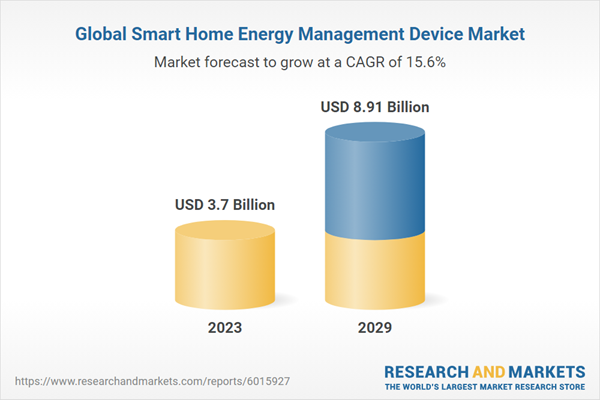
The Global Smart Home Energy Management Device Market is on the brink of a significant transformation, driven by escalating demands for energy-efficient solutions and the increasing adoption of smart home technologies.