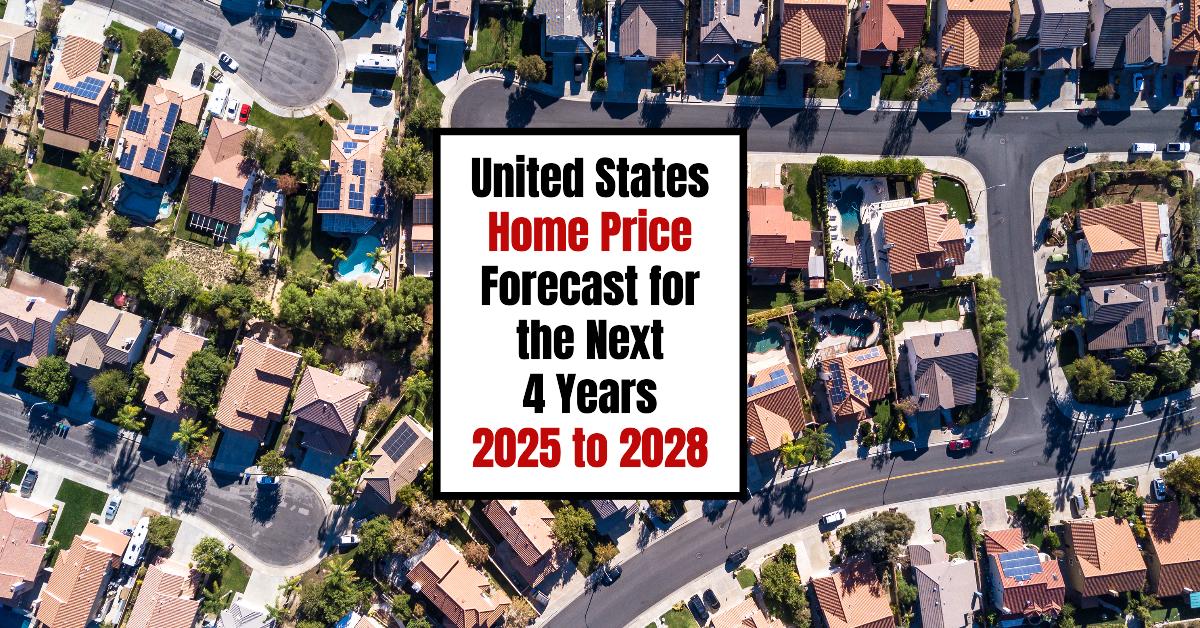
In the rapidly evolving realm of real estate, a digital transformation is underway, reshaping the industry as we know it. Known as PropTech, or property technology, this movement is revolutionizing traditional real estate practices by integrating advanced technologies. From simplifying complex transactions to enhancing transparency and efficiency, PropTech is making the real estate sector faster and more user-friendly.
Key Areas of PropTech
PropTech encompasses various areas such as online marketplaces, smart home technology, property management tools, and construction technologies. These innovations connect buyers, sellers, and renters online, enhance home automation and security, ease landlord-tenant relationships, and promote sustainable building practices.
Core Technologies Driving PropTech
In 2024, core technologies like AI, VR, blockchain, and big data are leading the PropTech revolution. AI analyzes extensive datasets to offer personalized property recommendations, automate tasks, and predict market trends. Platforms like Jome.com exemplify AI’s impact, providing insights on pricing trends and neighborhood amenities.
VR and AR technologies are transforming how potential buyers experience properties through immersive virtual tours. Blockchain secures real estate transactions with tamper-proof records and smart contracts, while big data analytics provide insights into neighborhood trends and consumer behaviors.
Benefits of PropTech
PropTech offers numerous benefits, including faster transactions, improved transparency, enhanced customer experiences, and cost savings. Notably, Jome.com leverages AI and big data to streamline the home-buying process, offering data aggregation, AI-powered features, and a user-friendly platform.
The Future of PropTech
Looking ahead, PropTech is poised to introduce groundbreaking innovations such as sustainable real estate practices, predictive analytics for market forecasting, decentralized marketplaces, and enhanced personalization. As technology evolves, PropTech will continue to redefine the real estate landscape, making it more accessible and efficient for all stakeholders involved.
For more insights, the original article published by BNO News delves deeper into how PropTech is transforming the real estate industry in 2024 and beyond.

More Articles

Getting licensed or staying ahead in your career can be a journey—but it doesn’t have to be overwhelming. Grab your favorite coffee or tea, take a moment to relax, and browse through our articles. Whether you’re just starting out or renewing your expertise, we’ve got tips, insights, and advice to keep you moving forward. Here’s to your success—one sip and one step at a time!

The PropTech Revolution: Transforming Real Estate with Innovation

"The challenges faced by the PropTech industry are vast, ranging from data security and regulatory compliance to the implementation of sustainable practices. Yet, technologies such as Artificial Intelligence (AI), Virtual Reality (VR), Internet of Things (IoT), and Blockchain are pivotal in addressing these hurdles."

By |February 9, 2025|Categories: Article, Real Estate, Technology|Tags: , |0 Comments

Emerging Neighbourhoods: The UK’s Next Property Hotspots

This shift is reshaping the landscape of the British property market, uncovering hidden gems that promise significant returns.

By |February 9, 2025|Categories: Article, Investment, Real Estate|Tags: , |0 Comments

2025 Commercial Real Estate Outlook: Navigating a New Era

The commercial real estate sector is poised to emerge from recent tumultuous years, armed with insights and strategies to better position itself for the future. According to a detailed analysis by Deloitte, the 2025 outlook offers a roadmap for industry leaders to navigate the evolving landscape.

By |February 8, 2025|Categories: Article, Economic Outlook, Real Estate|Tags: |0 Comments

Navigating the New IRS 1099-K Reporting Rules: What Freelancers and Small Business Owners Need to Know

The IRS is ushering in a new era of tax reporting that will significantly affect freelancers, small business owners, and anyone who earns income through third-party payment apps like Venmo or PayPal. These changes are embodied in the form of adjusted thresholds for the Form 1099-K, a tax document used to report income from such platforms. Previously, this form was only required for those earning at least $20,000 annually through these services. However, new phased-in rules will reduce this threshold to $600 by 2026, starting with earnings over $5,000 in 2024.

By |February 8, 2025|Categories: Article, Finance, Taxation|Tags: |0 Comments

Forecasting the Future: Housing Market Insights for 2025 to 2028

As we look to the horizon of the U.S. housing market, Fannie Mae's Home Price Expectations Survey offers a crucial glimpse into the coming years. Compiled from the insights of over 100 housing experts, this survey predicts notable changes in home prices from 2025 to 2028. The analysis, originally detailed by Norada Real Estate Investments, suggests a shift in market dynamics that could impact homeowners and investors alike.

By |February 8, 2025|Categories: Article, Market Analysis, Real Estate|Tags: , |0 Comments

The AI Revolution in Real Estate: A New Era of Market and Property Insights

The real estate industry, long perceived as conservative and slow to adapt, is now on the cusp of a technological revolution.