Impact of Tariffs and Deportations on the Housing Market

As President Trump advances his campaign promises, the housing market stands on the brink of significant changes. Two of his key policies—tariffs and mass deportations—are poised to reshape the landscape of home ownership and affordability.

Tariffs’ Impact on Housing
President Trump has proposed a range of tariffs, including a 10 percent universal tariff and specific tariffs on goods from certain countries. These tariffs, particularly those on construction materials like Canadian lumber, could escalate homebuilding costs. A tariff on Canadian lumber, for instance, means that if an American company buys $200,000 worth of lumber, they might face an additional $50,000 in tariffs. Such costs are often passed on to consumers, potentially driving up home prices.

Construction Material Costs
The National Association of Home Builders (NAHB) warns that tariffs on essential materials like softwood lumber and gypsum could raise construction costs, leading to higher home prices. Carl Harris, NAHB chairman, emphasizes that consumers ultimately bear the burden of these tariffs.

Mortgage Rates
Tariffs could also influence mortgage rates. As tariffs drive up prices and inflation, both short-term interest rates set by the Federal Reserve and long-term mortgage rates could rise, further straining affordability.

Learn more about how the Federal Reserve impacts mortgage rates.

Deportations and the Housing Market
Mass deportations could significantly affect the housing market by reducing the labor force, particularly in construction, where immigrants make up about 30 percent of workers. This could exacerbate the current housing deficit, pushing prices even higher.

Government Interventions
To mitigate these effects, the government could invest in affordable housing and offer tax incentives to homebuyers. However, deregulation efforts, while potentially reducing costs, could have broader economic and public-health implications.

Homebuying Tips
In these uncertain times, prospective homebuyers can take steps to secure better deals. Shopping around for the best mortgage rates and checking credit scores are essential. Consider expanding your search to less expensive areas or opting for a condo instead of a single-family home to save on costs.

For more detailed insights, refer to the original article by Andrew Dehan on Bankrate.

More Articles

Getting licensed or staying ahead in your career can be a journey—but it doesn’t have to be overwhelming. Grab your favorite coffee or tea, take a moment to relax, and browse through our articles. Whether you’re just starting out or renewing your expertise, we’ve got tips, insights, and advice to keep you moving forward. Here’s to your success—one sip and one step at a time!

Artificial Intelligence in Diagnostics: A Revolution in Healthcare

The global market for artificial intelligence in diagnostics is poised for remarkable growth, with projections estimating it to reach USD 7.3 billion by 2032.

By |December 10, 2024|Categories: Article, Artificial Intelligence, Healthcare|Tags: , |0 Comments

Revolutionizing Medical Education with Extended Reality

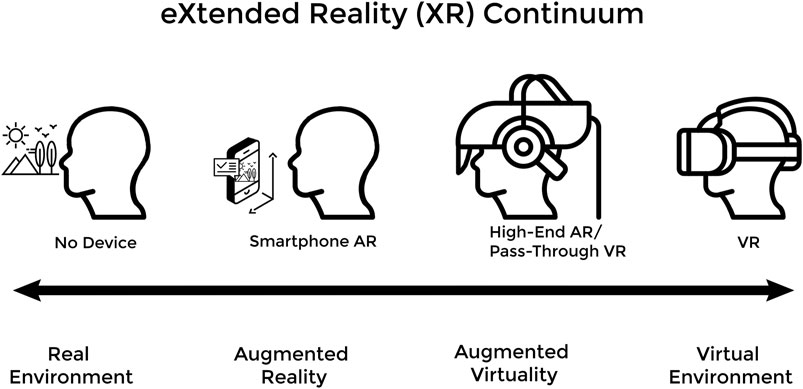
In the ever-evolving landscape of medical education, a new player has emerged, promising to revolutionize the way future doctors are trained. The integration of eXtended Reality (XR) technologies is reshaping the educational landscape by addressing the limitations of traditional methods.

Genetic Testing: A New Dawn in Healthcare

Genetic testing represents more than just a scientific advancement; it signifies a fundamental shift in how we approach health and wellness.

Sustainable Architecture: Blending Innovation with Ecological Responsibility

The journey toward sustainable architecture is ongoing, with each project serving as a beacon of what's achievable when creativity meets ecological awareness.

By |December 9, 2024|Categories: Architecture, Article, Sustainability|Tags: |0 Comments

AI in Clinical and Molecular Diagnostics: A Market on the Rise

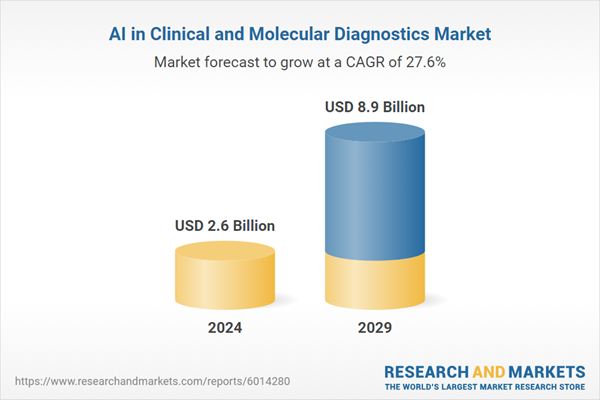
AI in Clinical and Molecular Diagnostics Market is set to experience remarkable growth, projected to surge from USD 2.6 billion in 2024 to USD 8.9 billion by 2029. This growth is driven by the integration of advanced AI technologies such as machine learning and deep learning into traditional diagnostic methodologies like imaging, genomics, and laboratory testing.

AI: A Revolution in Healthcare’s Future

AI is not a distant dream but a present reality, already integrated into everyday life through virtual assistants like Alexa and Siri. AI shows promise in enhancing medical accuracy, such as in predicting mesothelioma survival and improving colonoscopy accuracy, it is not intended to replace healthcare professionals.