Louisiana’s political landscape is on the cusp of a significant shift as a newly proposed measure could reshape the governor’s role in appointing officials to the state’s occupational licensing boards. This measure, encapsulated in House Bill 603, seeks to grant the governor more flexibility by transitioning from obligatory recommendations from trade associations to optional ones.


Currently, appointments to 32 boards, which include those overseeing professions such as accountants, plumbers, and engineers, are tightly bound by candidate lists provided by industry trade associations. However, if House Bill 603 passes, these lists would become optional, potentially allowing for a more diverse selection process.


Conflict of Interest Concerns

Rep. Dixon McMakin, the bill’s sponsor, argues that this change is necessary to resolve conflicts where trade associations exert undue influence on regulatory boards, often at the consumer’s expense. He emphasizes that “occupational licensing boards exist to protect the consumer, while associations exist to represent the industry.”


Supporters of the bill, such as the Pelican Institute for Public Policy, believe that reducing trade group influence could usher in fresher perspectives and greater entrepreneurial inclusivity. Daniel Erspamer, CEO of the Pelican Institute, noted, “Efforts to democratize these boards and add more consumer members in the regulatory process are beneficial for everyone involved, especially Louisiana’s emerging entrepreneurs.”


Opposition and Concerns

Despite these optimistic views, the Louisiana Association of Substance Abuse Counselors and Trainers opposes the bill. They fear that the shift could lead to politicization and insufficient vetting of candidates. Marolon Mangham, CEO of LASACT, expressed concerns that appointments could become political without the thorough vetting currently provided by associations.


LASACT currently nominates six of the eight members of the Addictive Disorder Regulatory Authority, which oversees addiction counselors. Mangham stresses the importance of ensuring members have proper credentials and demonstrated competency in the field.


Legislative Movement and Broader Trends

House Bill 603 has already passed the state House and is now moving to the Senate for consideration. This development is part of a broader trend of expanding the governor’s appointing authority. Last year, a new law granted the state’s chief executive the authority to name the chairs of nearly 150 state boards.


Steven Procopio, president of the Public Affairs Research Council of Louisiana, acknowledges this trend, stating, “This continues the trend of the governor consolidating power of boards and commissions.” However, he also emphasizes the need for balance between the expertise trade associations provide and the potential conflicts of these organizations regulating themselves.


As this legislative measure moves forward, all eyes will be on the Senate to see how this potential shift in governance will unfold for Louisiana’s occupational licensing boards.

More Articles

Getting licensed or staying ahead in your career can be a journey—but it doesn’t have to be overwhelming. Grab your favorite coffee or tea, take a moment to relax, and browse through our articles. Whether you’re just starting out or renewing your expertise, we’ve got tips, insights, and advice to keep you moving forward. Here’s to your success—one sip and one step at a time!

Artificial Intelligence in Diagnostics: A Revolution in Healthcare

The global market for artificial intelligence in diagnostics is poised for remarkable growth, with projections estimating it to reach USD 7.3 billion by 2032.

By |December 10, 2024|Categories: Article, Artificial Intelligence, Healthcare|Tags: , |0 Comments

Revolutionizing Medical Education with Extended Reality

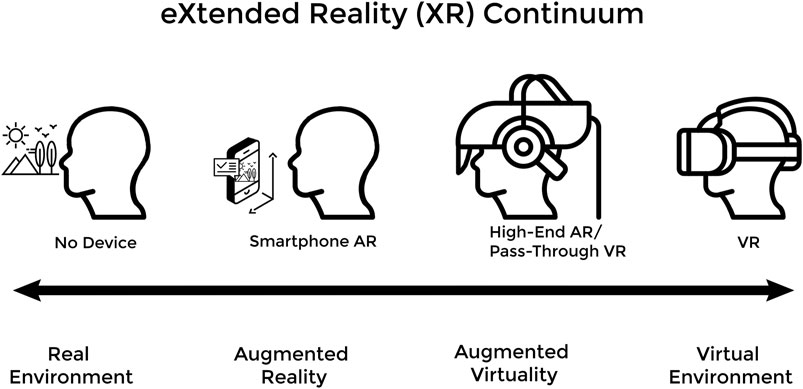
In the ever-evolving landscape of medical education, a new player has emerged, promising to revolutionize the way future doctors are trained. The integration of eXtended Reality (XR) technologies is reshaping the educational landscape by addressing the limitations of traditional methods.

Genetic Testing: A New Dawn in Healthcare

Genetic testing represents more than just a scientific advancement; it signifies a fundamental shift in how we approach health and wellness.

Sustainable Architecture: Blending Innovation with Ecological Responsibility

The journey toward sustainable architecture is ongoing, with each project serving as a beacon of what's achievable when creativity meets ecological awareness.

By |December 9, 2024|Categories: Architecture, Article, Sustainability|Tags: |0 Comments

AI in Clinical and Molecular Diagnostics: A Market on the Rise

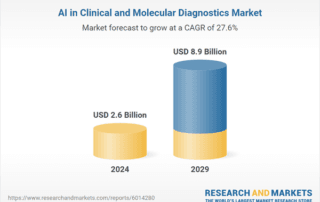
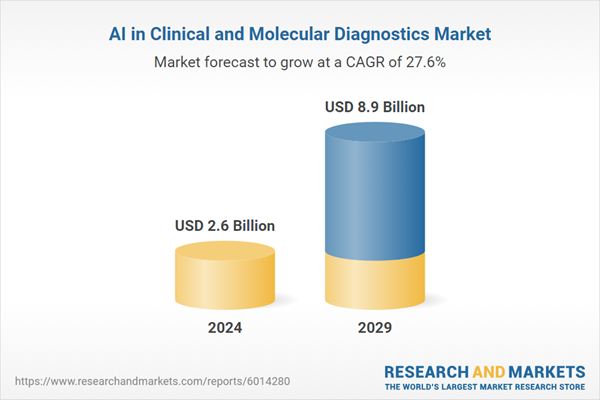
AI in Clinical and Molecular Diagnostics Market is set to experience remarkable growth, projected to surge from USD 2.6 billion in 2024 to USD 8.9 billion by 2029. This growth is driven by the integration of advanced AI technologies such as machine learning and deep learning into traditional diagnostic methodologies like imaging, genomics, and laboratory testing.

AI: A Revolution in Healthcare’s Future

AI is not a distant dream but a present reality, already integrated into everyday life through virtual assistants like Alexa and Siri. AI shows promise in enhancing medical accuracy, such as in predicting mesothelioma survival and improving colonoscopy accuracy, it is not intended to replace healthcare professionals.