In the ever-evolving landscape of real estate investment, landlords are increasingly turning to Limited Liability Companies (LLCs) to manage their rental properties. This shift is not without reason; the benefits of forming an LLC are numerous, ranging from tax advantages to liability protection.

According to a recent article by Avail Landlord Software, forming an LLC can be a strategic move for landlords. The article, last updated on May 8, 2025, provides a comprehensive guide on the subject, emphasizing the importance of understanding state-specific regulations and fees.

Understanding the Basics of an LLC

A Limited Liability Company, or LLC, is a business structure that offers protection for the owner’s personal assets. This means that if the business incurs debt or faces a lawsuit, the owner’s personal savings and home are typically shielded from legal claims.

Benefits of Using an LLC for Rental Properties

  • Create a business bank account: This helps in separating rental transactions from personal ones.
  • Gain access to broader tax deductions: More expenses, such as maintenance or repairs, can be deducted, especially with an S-corp designation.
  • Contract work under your LLC: This improves tax deductions and limits personal liability.
  • Better manage your operations: Formalize roles such as property manager and maintenance staff.

How Is Rental Income Taxed in an LLC?

Generally, an LLC is considered a pass-through entity for tax purposes. This means the LLC itself doesn’t pay taxes on the rental income it generates. Instead, the income “passes through” the LLC and is reported on personal tax returns. This is further detailed in Avail’s article on rental income taxation.

Tax Benefits of Creating an LLC

Some key benefits include limiting personal liability, separating rental properties, enabling pass-through taxation, and simplifying estate transfers. Additionally, LLCs can expedite tax deductions for depreciation, as discussed in Avail’s article on buying rental properties through an LLC.

Best Practices for Managing Your Rental Property LLC

  • Keep Rigorous Financial Records: Maintain separate bank accounts and credit cards for your LLC to clearly differentiate between personal and business transactions.
  • Obtain Adequate Insurance: Beyond the LLC’s protection, landlord insurance is essential for covering unforeseen events.
  • Consult With Tax Professionals: Work with a CPA or tax advisor familiar with real estate and LLCs to maximize tax benefits and ensure compliance.

Conclusion

Creating an LLC for your rental property is a smart choice for property owners looking to reduce liability risk, separate assets, and take advantage of tax benefits. For those considering this move, Avail offers a suite of tools to streamline property management, ensuring compliance and efficiency.

For more detailed guidance, visit the original article on Avail’s website.

More Articles

Getting licensed or staying ahead in your career can be a journey—but it doesn’t have to be overwhelming. Grab your favorite coffee or tea, take a moment to relax, and browse through our articles. Whether you’re just starting out or renewing your expertise, we’ve got tips, insights, and advice to keep you moving forward. Here’s to your success—one sip and one step at a time!

America’s Housing Affordability Crisis: A Deep Dive into 2024

The American dream of homeownership is slipping further out of reach for many as the nation grapples with a severe housing affordability crisis.

By |October 17, 2024|Categories: Article, Economic Issues, Housing Affordability|Tags: , |0 Comments

The Economic Payoff of Climate Resilience Investments

Each dollar spent on disaster preparedness can yield a remarkable $13 in savings on economic impact, damage, and cleanup costs. By investing in resilience today, we can safeguard our economic futures against the uncertainties of tomorrow.

By |October 16, 2024|Categories: Article, Climate Resilience, Economics|Tags: |0 Comments

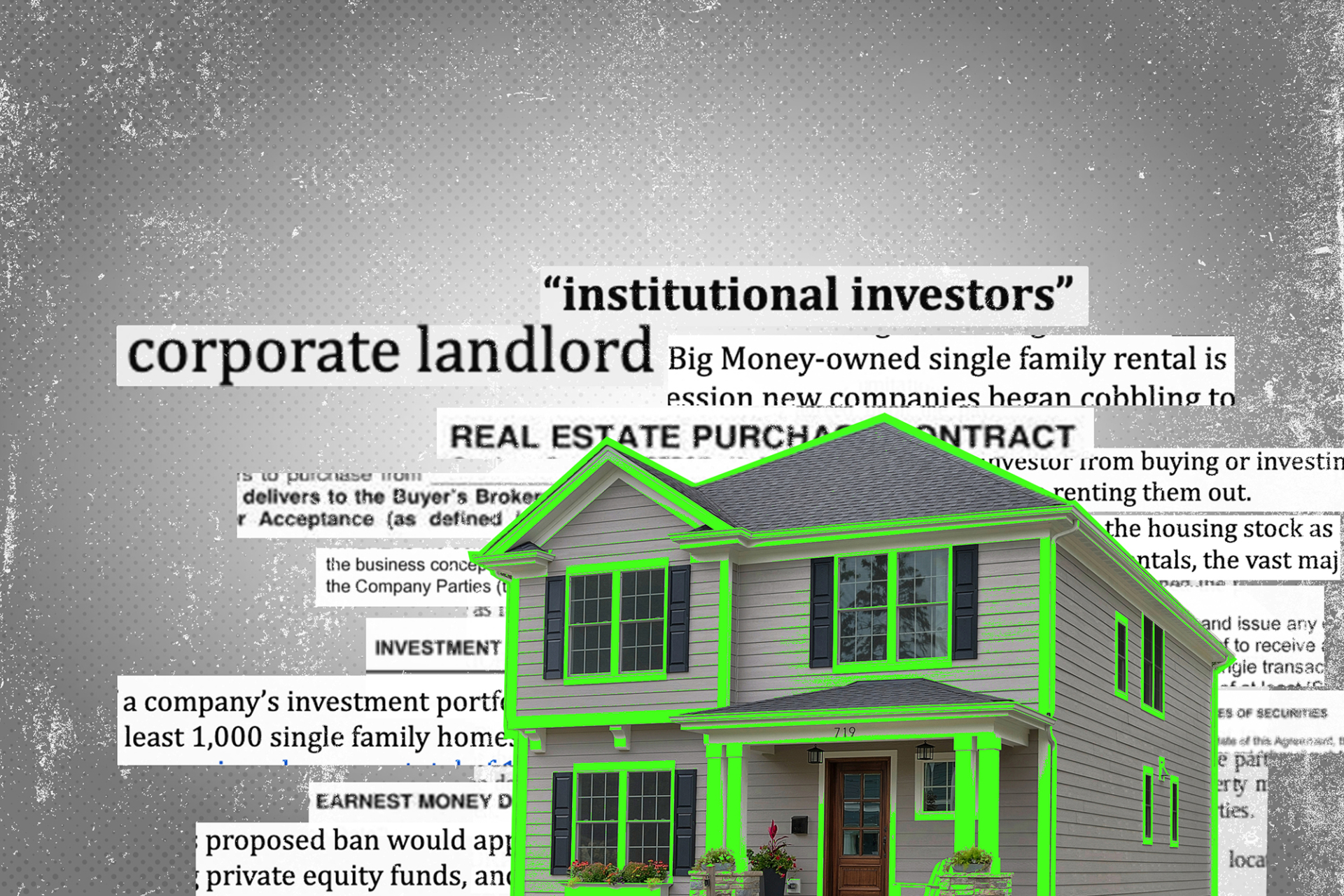
California Legislators Target Corporate Landlords in Housing Market Shake-Up

California's housing market is in the crosshairs of some of the state's most influential lawmakers, who are determined to curb the influence of institutional investors. This legislative session, at least three bills are being considered to prevent these corporate landlords from amassing a significant number of the state's single-family homes.

Proposition 33: A Pivotal Moment in California’s Rent Control Debate

Proposition 33 has sparked a heated debate. Proponents argue that repealing Costa–Hawkins would allow cities to tailor rent control measures to their unique needs, potentially easing the financial burdens on renters.

By |October 16, 2024|Categories: Article, Housing, Legislation|Tags: , |0 Comments

The Trump Era: A Transformative Journey in the U.S. Housing Market

The presidency of Donald Trump ushered in a period of notable shifts in the U.S. housing market, characterized by tax cuts, deregulation, and the unforeseen impact of a global pandemic. This era, marked by both growth and uncertainty, offers a complex narrative of economic policy and market dynamics.

Donald Trump’s Intricate Family Web

Donald Trump, a name synonymous with real estate, reality television, and politics, presents a complex family tapestry woven with professional and personal threads. His family, deeply enmeshed in his business ventures and political pursuits, forms a network of intricate connections.


By |October 15, 2024|Categories: Article, Family, Politics|Tags: , |0 Comments