Modernizing Medical Education: Embracing Public Health at the University of Dundee
In a world where healthcare and its education are undergoing seismic shifts, the University of Dundee is pioneering a transformative approach. The institution is integrating public health into its medical curriculum, responding to the rapid technological, political, and social changes reshaping the medical landscape. This initiative is detailed in a recent article published by Frontiers.
The article underscores the urgent need for medical education to evolve, highlighting the challenges posed by technological advancements, curriculum overload, and evolving medical practices. As non-communicable diseases rise, there’s a compelling economic argument for preventive medicine, which even corporations recognize. The University of Dundee’s curriculum overhaul aims to produce graduates ready for the demands of modern healthcare, emphasizing public health’s critical role.
The Role of Technology
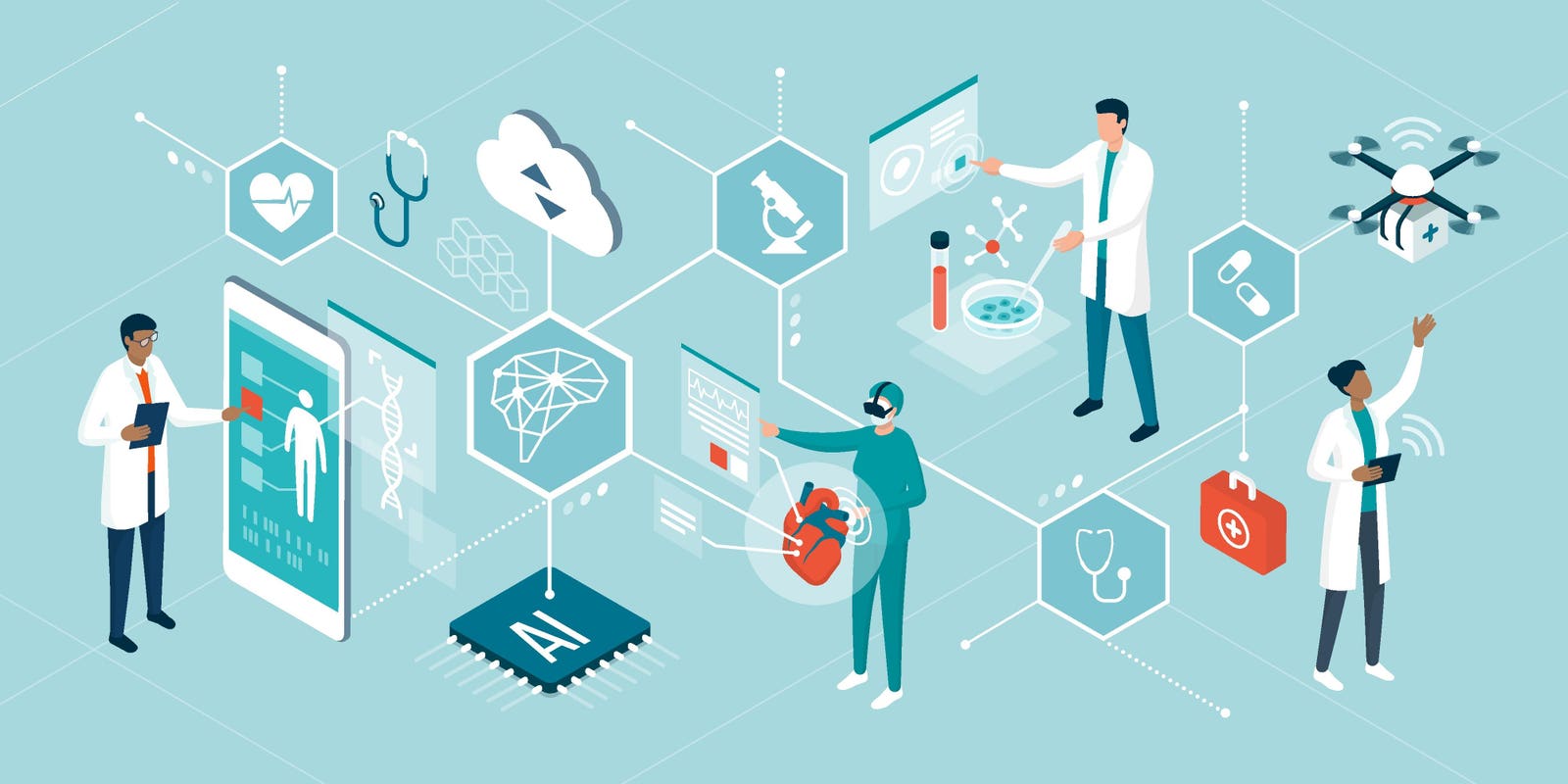
Technological advancements, particularly in artificial intelligence and machine learning, are reshaping healthcare delivery. However, these innovations have yet to make a significant impact on medical education. The Topol review highlighted potential future changes, but current curricula lack comprehensive teaching on these topics. Dundee’s program addresses this gap, preparing students to navigate a tech-driven healthcare environment.
Curriculum Overload
Medical students face daunting amounts of information, with knowledge potentially doubling every few months. Standardized assessments and shared curricula are becoming more prevalent, emphasizing core scientific knowledge. Yet, there’s a growing recognition of the need for doctors to understand interpersonal communication, leadership, and teamwork. Dundee’s curriculum seeks to balance these elements, moving from a micro to a macro perspective.
Adapting to New Medical Practices
The role of doctors is changing, influenced by global health priorities and societal expectations. The COVID-19 pandemic highlighted the need for robust healthcare systems and the challenges of misinformation. Dundee’s curriculum aims to equip students with the skills to navigate these shifts, fostering adaptability and resilience.
Curriculum Review and Implementation
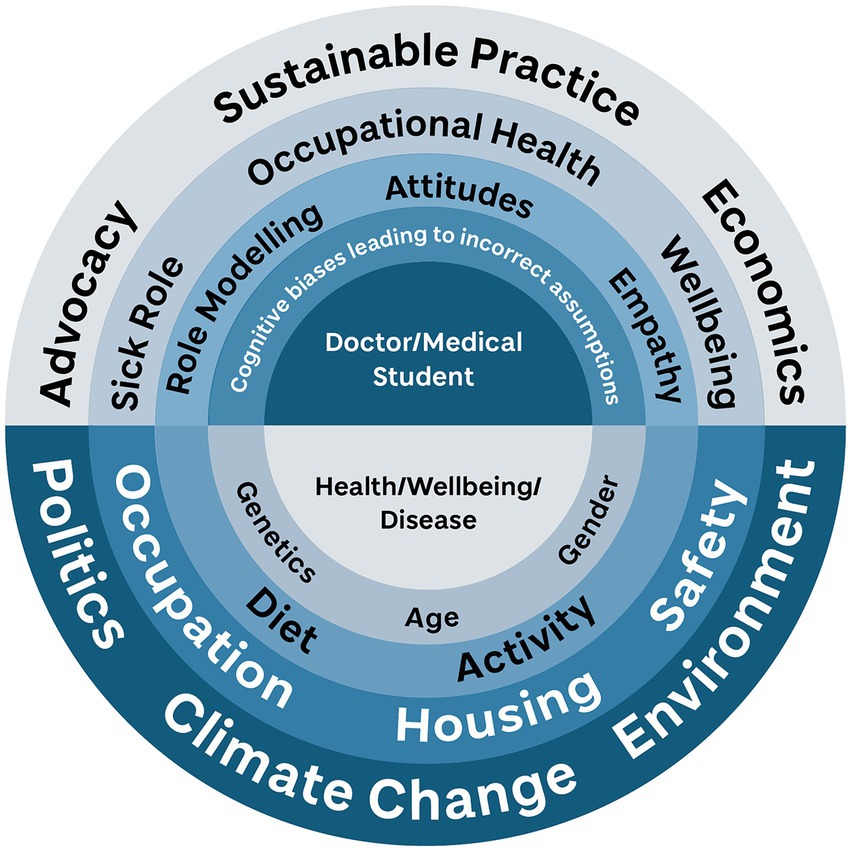
Dundee’s curriculum review, initiated before the pandemic, aims to facilitate transitions for learners, especially those from non-traditional backgrounds. Using the double diamond design methodology, the review involved stakeholders from various disciplines. The curriculum introduces two key strands: “The Bigger Picture” and “The Dundee Doctor.” The Bigger Picture emphasizes public health, encouraging students to understand social determinants of health and their role as healthcare providers. It integrates public health and behavioral sciences, fostering a deeper understanding of healthcare’s broader context. The Dundee Doctor represents the unique qualities of Dundee graduates, focusing on professional development and adaptability. It serves as a guiding framework for curriculum implementation, ensuring alignment with the institution’s values.
Challenges and Future Directions
Implementing changes in a constrained curriculum like medicine is challenging. Dundee’s approach aims for a “quiet revolution,” balancing core and elective elements to provide diverse learning opportunities. Formal evaluation of the new curriculum is underway, with anecdotal feedback indicating positive reception.
As healthcare continues to evolve, Dundee’s curriculum is designed to adapt, preparing students for future challenges. The article posits that medical education must continuously renew itself, fostering adaptable, socially conscious doctors.
More Articles
Getting licensed or staying ahead in your career can be a journey—but it doesn’t have to be overwhelming. Grab your favorite coffee or tea, take a moment to relax, and browse through our articles. Whether you’re just starting out or renewing your expertise, we’ve got tips, insights, and advice to keep you moving forward. Here’s to your success—one sip and one step at a time!
The financial landscape in South Korea is poised for a seismic shift as KBank, a major digital bank, grapples with a legislative curveball. The bank, which is heavily reliant on deposits from Upbit, Korea’s dominant cryptocurrency exchange, is facing a potential profit squeeze. The new Virtual Asset User Protection Act, set to take effect on July 19, 2024, mandates that banks must pay interest on crypto exchange deposits, a move that could severely impact KBank's bottom line.
AI's ability to analyze vast amounts of data is paving the way for a profound change in medical diagnostics. Khosla predicted that AI could take over up to 80% of standard medical tasks, reducing errors and biases in human diagnosis. This is particularly evident in fields like radiology and pathology, where AI's proficiency in analyzing medical imaging allows for the early detection of diseases such as cancer, significantly improving treatment outcomes.
The COVID-19 pandemic has dramatically reshaped the housing market landscape, resulting in an unprecedented surge in home prices throughout the United States.
In a world where technology is rapidly evolving, artificial intelligence (AI) is proving to be a game-changer in the healthcare sector. AI-powered tools are improving patient outcomes, enhancing operational efficiency, and reducing costs, reshaping the very fabric of healthcare delivery.
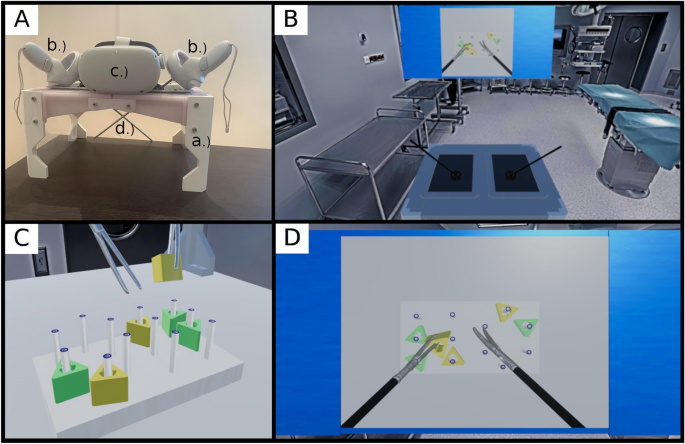
In a groundbreaking study published by Nature, researchers have unveiled a novel approach to surgical training using a low-fidelity virtual reality (VR) simulator enhanced with artificial intelligence (AI) for objective assessment. This pioneering method is poised to transform how medical students acquire laparoscopic skills, offering a cost-effective and efficient alternative to traditional training models.
AI in healthcare is projected to grow into a $188 billion industry worldwide by 2030, promising to revolutionize the field. From drug development to improved diagnostics, AI is already making significant strides, transforming medical practices and enhancing patient care efficiency.