“`html

The Crucial Importance of Compliance with Stark Law and Anti-Kickback Statute in Healthcare Real Estate Leases

In the intricate world of healthcare, compliance is not just a legal requirement but a cornerstone of ethical business practice. The Stark Law and the Anti-Kickback Statute are two pivotal federal regulations that healthcare companies must navigate, especially when it comes to real estate leases. These laws are designed to maintain the integrity of healthcare operations and prevent conflicts of interest.

Healthcare compliance

Understanding Stark Law and the Anti-Kickback Statute

  • Stark Law: Often referred to as the Physician Self-Referral Law, it prohibits physicians from referring patients to entities with which they have a financial relationship, unless an exception applies. This is crucial for ensuring decisions are made in the best interests of patients.
  • Anti-Kickback Statute: This federal law prohibits the exchange of anything of value to induce or reward referrals, safeguarding medical judgment and patient care from financial incentives.

The Intersection of These Laws and Real Estate Leases

Real estate leases for medical offices and clinics must be structured to comply with both the Stark Law and the Anti-Kickback Statute. Non-compliance can lead to illegal referrals and kickbacks, which are strictly prohibited. Lease agreements must be at fair market value and commercially reasonable, with all terms documented in writing to ensure compliance.

Compliance Strategies for Healthcare Companies

  1. Conduct Regular Audits: Regular audits of lease agreements can identify potential compliance issues early.
  2. Seek Legal Counsel: Engage with legal experts specializing in healthcare law to structure compliant lease agreements.
  3. Training and Education: Continuous training for staff involved in real estate leases can ensure adherence to compliance requirements.
  4. Implement Strong Internal Controls: Establish robust procedures for reviewing and approving lease agreements to minimize risk.

Consequences of Non-Compliance

Non-compliance with these laws can result in severe penalties, including fines, exclusion from federal healthcare programs, and criminal charges. Beyond financial repercussions, it can tarnish a healthcare provider’s reputation and erode trust.

Conclusion

For healthcare companies, compliance with the Stark Law and Anti-Kickback Statute is a fundamental aspect of ethical business practice. By ensuring lease agreements meet regulatory requirements, healthcare organizations can focus on providing quality patient care without compromising integrity or trust.

For more detailed insights, the original article by CBIZ can be accessed here.

“`

More Articles

Getting licensed or staying ahead in your career can be a journey—but it doesn’t have to be overwhelming. Grab your favorite coffee or tea, take a moment to relax, and browse through our articles. Whether you’re just starting out or renewing your expertise, we’ve got tips, insights, and advice to keep you moving forward. Here’s to your success—one sip and one step at a time!

The Rising Cost of Disaster: How Insurance Upheaval Is Reshaping Florida’s Middle Class

Skyrocketing insurance premiums and soaring rebuilding costs are transforming communities across Southwest Florida, especially in the wake of Hurricane Ian. As longtime residents struggle to keep up with rising financial pressure, wealthier newcomers and stricter building standards are reshaping the identity of places like Fort Myers Beach. With insurance rates now driving home sales, triggering potential foreclosures, and squeezing both owners and renters, Florida’s middle-class families face a growing question: can they afford to stay in the state they love?

Florida’s Insurance Market Enters Its Strongest Phase in Years as Private Carriers Take Over

Florida’s insurance industry is stabilizing fast, with nearly 1.6 million policies shifting from Citizens to private insurers and litigation dropping sharply. Regulators report stronger market confidence, decreasing premiums, and renewed competition—signaling one of the healthiest periods the state has seen in years.

Florida Judge Restarts Citizens Insurance Arbitration, Re‑Igniting 400+ Stalled Claims

A Leon County judge has ordered the restart of arbitration for Citizens Property Insurance claims, directly conflicting with a previous ruling that halted the process as potentially unconstitutional. With more than 400 cases now back in motion, real estate, insurance, and mortgage professionals can expect renewed activity in claim disputes and fresh uncertainty as Florida courts clash over the legality of Citizens’ arbitration system.

Dallas–Fort Worth Enters a New Real Estate Cycle as Developers Shift Strategies

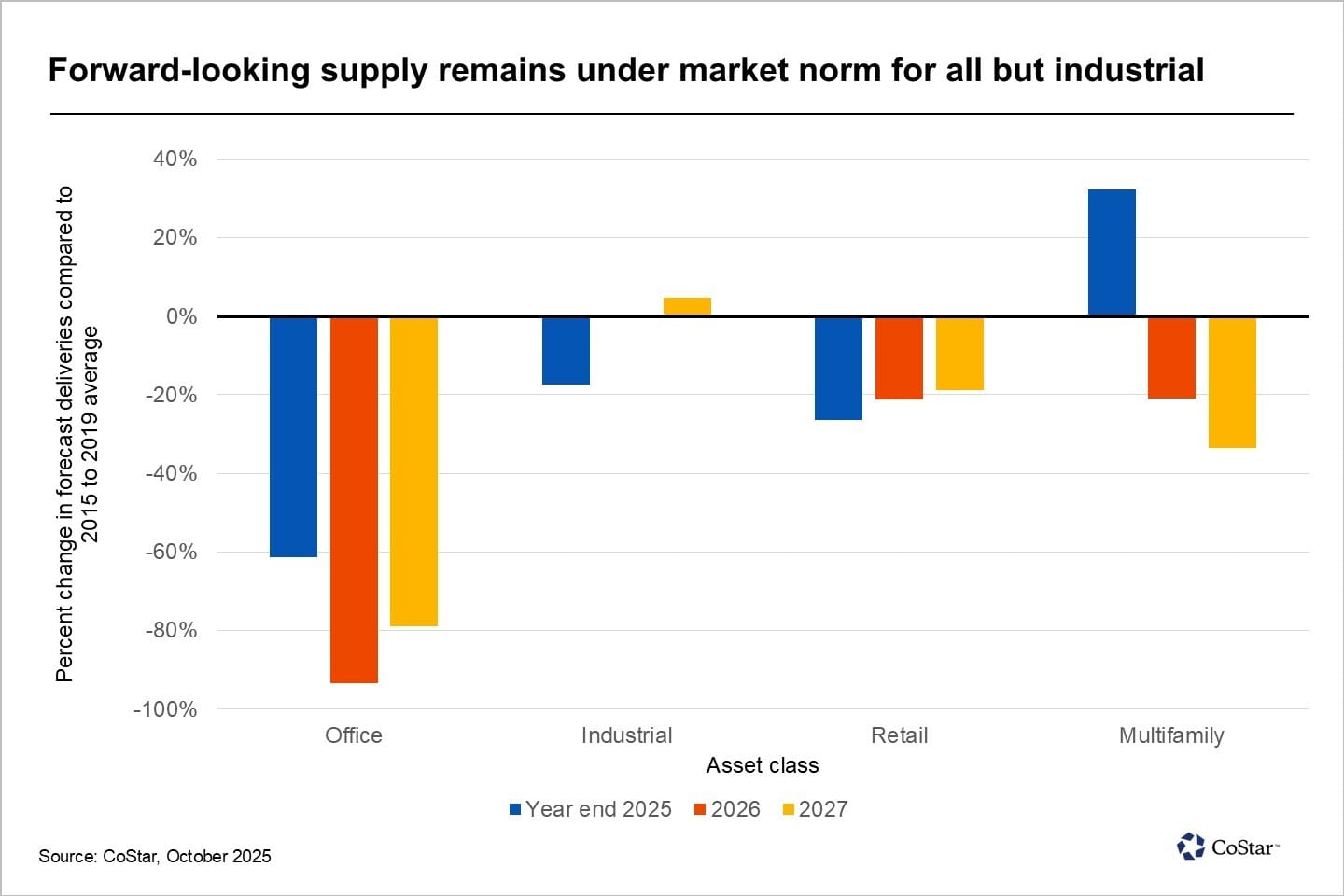
The DFW market is transitioning into a new construction phase marked by a slowdown in office development, a more selective approach to industrial projects, and an evolving housing landscape shaped by affordability and population growth. Developers are recalibrating their priorities, and for real estate professionals, understanding these shifts offers a critical edge in navigating—and capitalizing on—the next phase of the metroplex’s growth.

Zillow Faces New Lawsuit Over Alleged Pressure on Buyers to Use Zillow Home Loans

A new federal lawsuit claims Zillow pushed homebuyers toward Zillow Home Loans by rewarding affiliated agents with valuable leads — all without proper disclosure. The suit alleges undisclosed incentives, referral quotas, and potential RESPA violations, raising major concerns about steering, fiduciary duties, and Zillow’s expanding mortgage ambitions.

Embracing Innovation to Stay Competitive in a Shifting Mortgage Market

The mortgage industry is evolving fast, and the lenders who come out on top will be those who innovate without uprooting what already works. By building on strong technology foundations, streamlining workflows and adopting smart automation, lenders can reduce costs, improve customer experience and stay resilient in any market cycle. This article breaks down why innovation matters now, how a stable tech ecosystem protects lenders in volatile conditions and why small, strategic steps can drive long-term transformation.