“`html

The Crucial Importance of Compliance with Stark Law and Anti-Kickback Statute in Healthcare Real Estate Leases

In the intricate world of healthcare, compliance is not just a legal requirement but a cornerstone of ethical business practice. The Stark Law and the Anti-Kickback Statute are two pivotal federal regulations that healthcare companies must navigate, especially when it comes to real estate leases. These laws are designed to maintain the integrity of healthcare operations and prevent conflicts of interest.

Healthcare compliance

Understanding Stark Law and the Anti-Kickback Statute

  • Stark Law: Often referred to as the Physician Self-Referral Law, it prohibits physicians from referring patients to entities with which they have a financial relationship, unless an exception applies. This is crucial for ensuring decisions are made in the best interests of patients.
  • Anti-Kickback Statute: This federal law prohibits the exchange of anything of value to induce or reward referrals, safeguarding medical judgment and patient care from financial incentives.

The Intersection of These Laws and Real Estate Leases

Real estate leases for medical offices and clinics must be structured to comply with both the Stark Law and the Anti-Kickback Statute. Non-compliance can lead to illegal referrals and kickbacks, which are strictly prohibited. Lease agreements must be at fair market value and commercially reasonable, with all terms documented in writing to ensure compliance.

Compliance Strategies for Healthcare Companies

  1. Conduct Regular Audits: Regular audits of lease agreements can identify potential compliance issues early.
  2. Seek Legal Counsel: Engage with legal experts specializing in healthcare law to structure compliant lease agreements.
  3. Training and Education: Continuous training for staff involved in real estate leases can ensure adherence to compliance requirements.
  4. Implement Strong Internal Controls: Establish robust procedures for reviewing and approving lease agreements to minimize risk.

Consequences of Non-Compliance

Non-compliance with these laws can result in severe penalties, including fines, exclusion from federal healthcare programs, and criminal charges. Beyond financial repercussions, it can tarnish a healthcare provider’s reputation and erode trust.

Conclusion

For healthcare companies, compliance with the Stark Law and Anti-Kickback Statute is a fundamental aspect of ethical business practice. By ensuring lease agreements meet regulatory requirements, healthcare organizations can focus on providing quality patient care without compromising integrity or trust.

For more detailed insights, the original article by CBIZ can be accessed here.

“`

More Articles

Getting licensed or staying ahead in your career can be a journey—but it doesn’t have to be overwhelming. Grab your favorite coffee or tea, take a moment to relax, and browse through our articles. Whether you’re just starting out or renewing your expertise, we’ve got tips, insights, and advice to keep you moving forward. Here’s to your success—one sip and one step at a time!

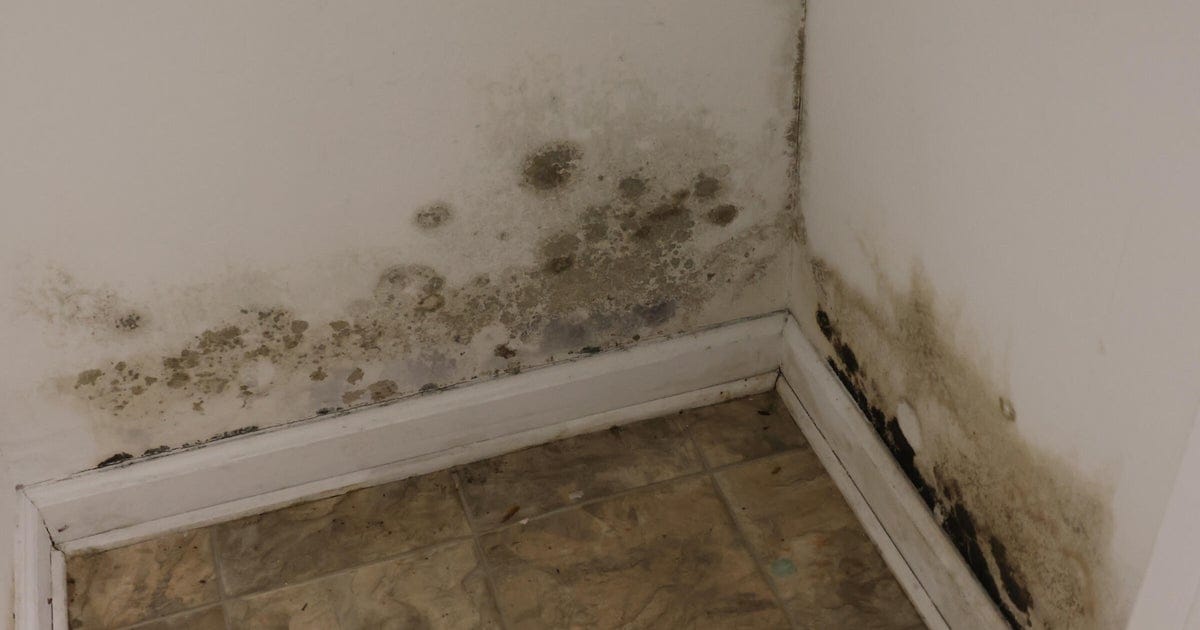
The Hidden Mold Crisis Fueled by Extreme Weather

Extreme storms are triggering a surge in hidden mold growth across nearly half of U.S. homes, creating a growing health and financial emergency for families and real estate professionals. From rapid post‑storm mold development to soaring remediation costs, this silent threat is reshaping property safety, insurance challenges, and the future of housing in high‑risk regions.

Rocket Mortgage Faces Class Action for Alleged Opt‑Out Violations After 12 Unwanted Calls

A Florida consumer has filed a class action accusing Rocket Mortgage of repeatedly calling her even after confirming her opt‑out request, marking the company’s 56th TCPA‑related lawsuit. The complaint claims Rocket continued outreach for nearly three weeks—despite a STOP confirmation—and could impact more than 10,000 consumers nationwide.

Mortgage Rates Hit Month‑High as Loan Demand Falls 5%

Mortgage rates rose for the third straight week, reaching their highest level in a month and triggering a 5.2% drop in overall mortgage applications. Refinance activity slid 7%, purchase demand dipped 2%, and analysts say uncertainty in the bond market is keeping rates on a choppy path. Despite the pullback, today’s loan activity still sits well above last year’s lows, signaling that buyers remain active—but increasingly cautious.

Florida Approves 6.9% Workers’ Compensation Rate Cut for 2026

Florida has approved a 6.9% reduction in workers’ compensation insurance rates for 2026, marking the ninth straight year of decreases. The cut, signed by Insurance Commissioner Mike Yaworsky, takes effect January 1 and lowers costs for all new and renewal policies. State officials say the trend reflects improved workplace safety and will help businesses reduce expenses and support growth across industries including real estate, construction, and property management.

Is Now the Right Time to Buy a Home? Market Shifts Are Finally Giving Buyers the Upper Hand

Mortgage rates are dipping, inventory is soaring, and—for the first time in years—buyers have real leverage. While home prices remain at record highs and the economy feels unpredictable, rising inventory and cooling rates are creating rare opportunities for financially ready buyers. If you’ve been waiting for the market to open a door, this may be your moment to step through.

Is Miami Becoming New York’s Millionaire Relocation Spot?

Miami developers are pitching 'safe spaces' for millionaires amid fears of a political shift in New York City. Concerns over higher taxes and crime are prompting some New Yorkers to consider relocating south.

By |November 6, 2025|Categories: Article, Migration Trends, Real Estate|Tags: |0 Comments