As we step into 2025, the housing market is poised at a crossroads, with evolving trends shaping the landscape for real estate investors, landlords, and property managers. Nathan Miller, Founder and CEO of Rentec Direct, highlights transformative forces that promise to redefine the sector this year.

Climate Challenges: A Catalyst for Change

The increasing frequency and severity of natural disasters are compelling real estate investors to rethink their strategies. In 2025, areas like Southern California are already witnessing devastating wildfires. Investors are cautiously retreating from high-risk regions, such as Florida and Texas, due to escalating insurance premiums and stricter building codes. This shift opens up opportunities for risk-tolerant investors to capitalize on localized price declines, provided they can manage the associated risks.

AI: The Unseen Game Changer

Artificial Intelligence, a technology that gained momentum with the launch of ChatGPT, is set to revolutionize real estate. As AI’s capabilities advance, there’s speculation that it might replace traditional buyer’s agents by efficiently analyzing market listings. This trend is fueled by the NAR lawsuit settlement, which requires buyers to cover their own agent fees, prompting a shift towards more cost-effective AI solutions.

Build-to-Rent: A Growing Trend

The build-to-rent model is emerging as a significant housing solution in urban and suburban markets. This approach, where properties are constructed specifically for rental purposes, addresses housing affordability concerns. State-level incentives, including tax breaks and grants, are encouraging developers to prioritize rental housing, thereby stabilizing the market and providing high-quality living options.

Exploring Alternative Housing Models

Investors are increasingly drawn to creative housing solutions beyond traditional rentals. Rental conversion projects are transforming old commercial spaces into multi-family properties. For instance, some developers are converting vacant schools into housing units. Coliving is gaining traction as a high-yield investment, offering a flexible living arrangement akin to multi-family apartments. Additionally, fractional ownership is lowering entry barriers for investors, allowing them to collectively own properties through syndication companies.

Staying informed and adaptable is crucial for navigating the dynamic real estate market in 2025. As highlighted in the original Forbes article, embracing innovative solutions and understanding emerging trends will be key to thriving amidst uncertainty.

More Articles

Getting licensed or staying ahead in your career can be a journey—but it doesn’t have to be overwhelming. Grab your favorite coffee or tea, take a moment to relax, and browse through our articles. Whether you’re just starting out or renewing your expertise, we’ve got tips, insights, and advice to keep you moving forward. Here’s to your success—one sip and one step at a time!

Artificial Intelligence in Diagnostics: A Revolution in Healthcare

The global market for artificial intelligence in diagnostics is poised for remarkable growth, with projections estimating it to reach USD 7.3 billion by 2032.

By |December 10, 2024|Categories: Article, Artificial Intelligence, Healthcare|Tags: , |0 Comments

Revolutionizing Medical Education with Extended Reality

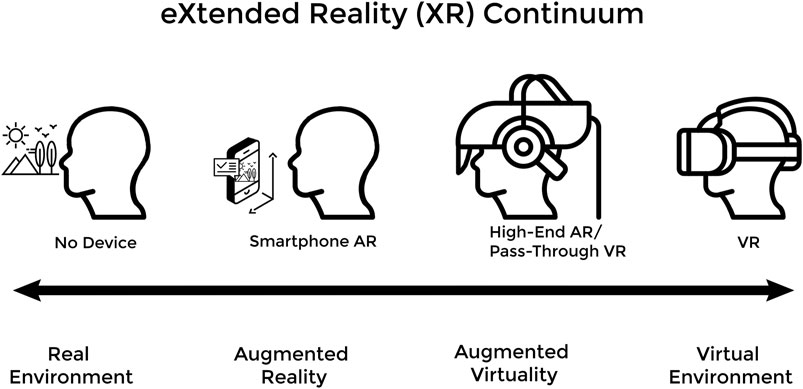
In the ever-evolving landscape of medical education, a new player has emerged, promising to revolutionize the way future doctors are trained. The integration of eXtended Reality (XR) technologies is reshaping the educational landscape by addressing the limitations of traditional methods.

Genetic Testing: A New Dawn in Healthcare

Genetic testing represents more than just a scientific advancement; it signifies a fundamental shift in how we approach health and wellness.

Sustainable Architecture: Blending Innovation with Ecological Responsibility

The journey toward sustainable architecture is ongoing, with each project serving as a beacon of what's achievable when creativity meets ecological awareness.

By |December 9, 2024|Categories: Architecture, Article, Sustainability|Tags: |0 Comments

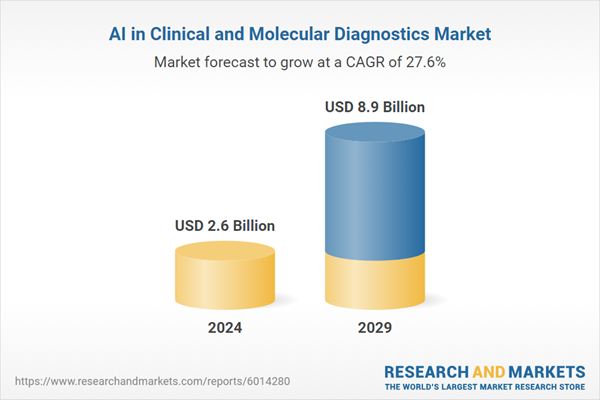
AI in Clinical and Molecular Diagnostics: A Market on the Rise

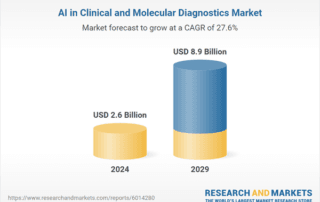
AI in Clinical and Molecular Diagnostics Market is set to experience remarkable growth, projected to surge from USD 2.6 billion in 2024 to USD 8.9 billion by 2029. This growth is driven by the integration of advanced AI technologies such as machine learning and deep learning into traditional diagnostic methodologies like imaging, genomics, and laboratory testing.

AI: A Revolution in Healthcare’s Future

AI is not a distant dream but a present reality, already integrated into everyday life through virtual assistants like Alexa and Siri. AI shows promise in enhancing medical accuracy, such as in predicting mesothelioma survival and improving colonoscopy accuracy, it is not intended to replace healthcare professionals.