Precision Medicine Market: A Tailored Approach Revolutionizing Healthcare
The global precision medicine market is experiencing a remarkable surge, with its valuation projected to skyrocket from USD 83.80 billion in 2023 to USD 207.80 billion by 2032, boasting a compound annual growth rate (CAGR) of 10.8%. This growth is primarily driven by the increasing demand for personalized treatment strategies that leverage advanced technologies like genomics, proteomics, and bioinformatics to provide more effective and precise healthcare solutions.
Global Trends & Drivers:
The precision medicine market has witnessed a significant expansion in research and development activities, especially following the COVID-19 pandemic. The pandemic underscored the necessity for individualized treatment regimes, leading to increased investments in precision medicine. The shift towards integrating cell and gene therapies, coupled with regulatory approvals for novel treatments, further signals promising growth prospects.
Regional Insights:
North America remains at the forefront, dominating the market with a share of 50.91% in 2023. This dominance is attributed to the region’s advanced healthcare infrastructure and a high incidence of chronic diseases, such as cancer, which propels the demand for personalized treatments. According to the Centre for Disease Control and Prevention (CDC), the U.S. reported an estimated 1,603,844 new cancer cases in 2020, highlighting the critical need for tailored healthcare solutions.
Europe holds the second-largest market share, driven by significant advancements in biomarker testing and diagnostics. The region’s superior healthcare infrastructure and increasing healthcare expenditure contribute to its market growth. Meanwhile, Asia Pacific is poised for expansion, fueled by population growth, rising disease burden, and government support for healthcare innovations.
Key Players and Collaborations:
The competitive landscape of the precision medicine market is characterized by strategic partnerships and collaborations among key industry players. Companies like Illumina, Inc., Agilent Technologies, Inc., and Thermo Fisher Scientific Inc. are at the forefront, expanding their presence through innovative products and collaborations with research institutions. Notably, in July 2023, Agilent Technologies, Inc. partnered with Institut Curie to launch a new kit for identifying vital genetic abnormalities causing cancer.
Future Outlook:
The precision medicine market is on the cusp of a transformative journey. With increasing governmental and private investments, the demand for precision medicine is expected to rise steadily. The commitment to addressing chronic conditions, coupled with strategic industry collaborations and advanced diagnostic tools, will sustain market growth. Moreover, the integration of AI in healthcare systems is set to revolutionize the precision medicine landscape.
Conclusion:
As the precision medicine market continues to evolve, its promise of personalized healthcare solutions becomes increasingly tangible. The market’s trajectory indicates robust growth, driven by the ongoing demand for customized treatment approaches that effectively manage chronic diseases. For more insights on the precision medicine market, visit the original article.
More Articles
Getting licensed or staying ahead in your career can be a journey—but it doesn’t have to be overwhelming. Grab your favorite coffee or tea, take a moment to relax, and browse through our articles. Whether you’re just starting out or renewing your expertise, we’ve got tips, insights, and advice to keep you moving forward. Here’s to your success—one sip and one step at a time!
In the fast-evolving world of insurance, a transformative shift is underway, driven by the development of customer-centric ecosystems. As highlighted in a comprehensive study by EY, insurance ecosystems are reshaping the industry by focusing on customer engagement, trust, and operational excellence.
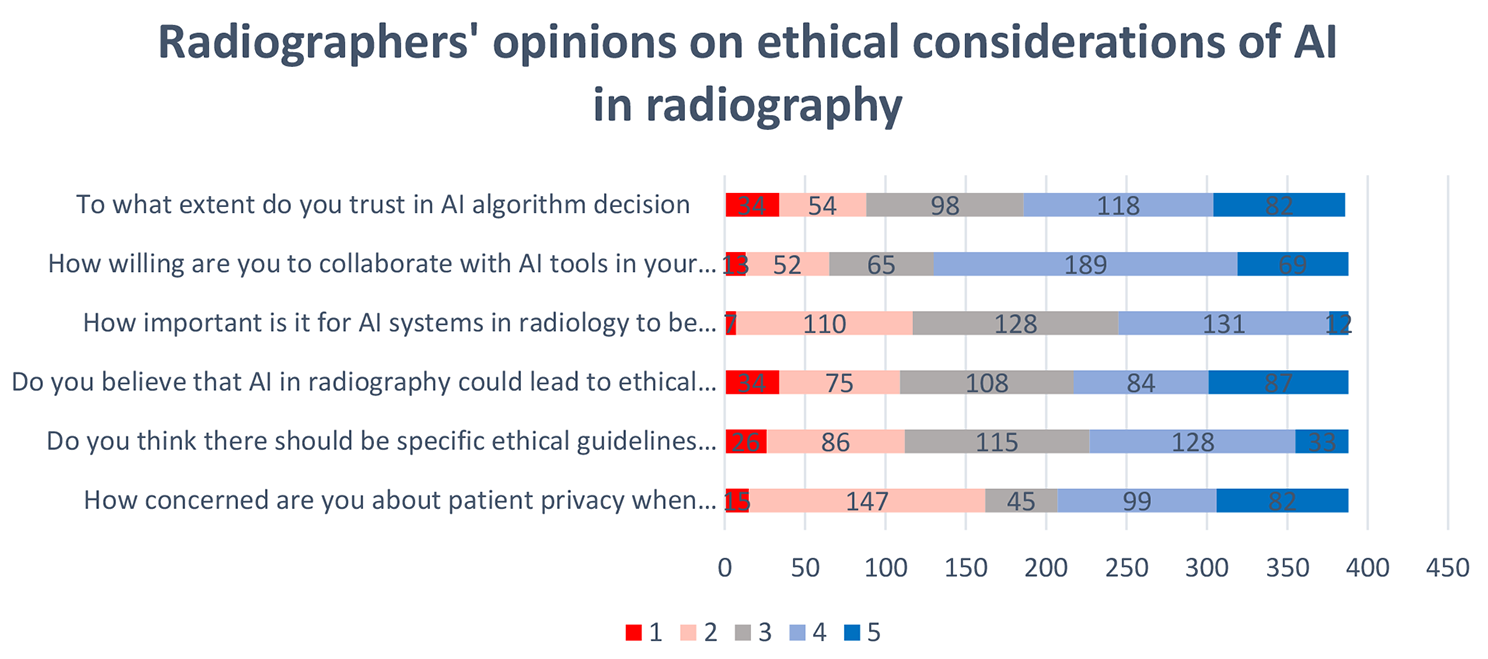
The integration of artificial intelligence in radiography brings a host of ethical challenges that demand careful consideration. A recent study highlights the diverse perspectives of radiographers, revealing significant knowledge gaps and varying trust levels in AI-driven decisions. Concerns over patient privacy and the need for dedicated ethical guidelines are pivotal as healthcare embraces AI.
AI tools are already delivering significant value and are poised to further transform healthcare. Embracing these changes today will position organizations and individuals to capture the long-term benefits of a more effective, efficient, and personalized healthcare system.
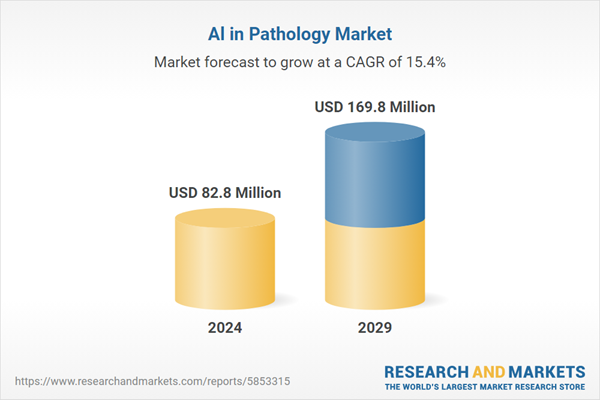
AI in pathology is revolutionizing the field by enhancing the analysis of clinical data, genomic information, and disease progression. These advancements are not only streamlining personalized treatment plans but also optimizing healthcare resource allocation.
In an era where data reigns supreme, the integration of artificial intelligence (AI) and machine learning (ML) into the realm of precision medicine is not just a possibility but a burgeoning reality.

 Global Trends & Drivers:
The precision medicine market has witnessed a significant expansion in research and development activities, especially following the COVID-19 pandemic. The pandemic underscored the necessity for individualized treatment regimes, leading to increased investments in precision medicine. The shift towards integrating cell and gene therapies, coupled with regulatory approvals for novel treatments, further signals promising growth prospects.
Regional Insights:
North America remains at the forefront, dominating the market with a share of 50.91% in 2023. This dominance is attributed to the region’s advanced healthcare infrastructure and a high incidence of chronic diseases, such as cancer, which propels the demand for personalized treatments. According to the
Global Trends & Drivers:
The precision medicine market has witnessed a significant expansion in research and development activities, especially following the COVID-19 pandemic. The pandemic underscored the necessity for individualized treatment regimes, leading to increased investments in precision medicine. The shift towards integrating cell and gene therapies, coupled with regulatory approvals for novel treatments, further signals promising growth prospects.
Regional Insights:
North America remains at the forefront, dominating the market with a share of 50.91% in 2023. This dominance is attributed to the region’s advanced healthcare infrastructure and a high incidence of chronic diseases, such as cancer, which propels the demand for personalized treatments. According to the