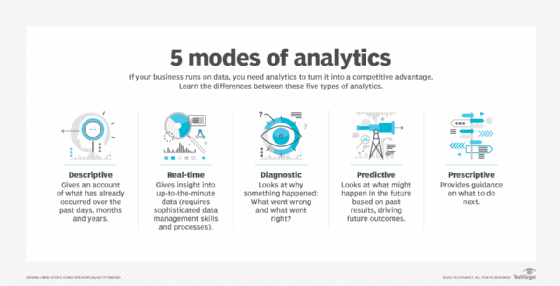
In the swiftly evolving world of business intelligence, predictive analytics tools have become indispensable assets, offering companies the power to forecast future trends by analyzing past and current data patterns. As we look toward 2025, these tools are not only more powerful but also more accessible, catering to both data science experts and conventional business users.
Revolutionizing Business Intelligence
Predictive analytics has undergone a significant transformation. Once the domain of specialized data scientists, advancements in AI have democratized these tools, making them user-friendly even for those without technical expertise. As TechTarget reports, this shift is driven by a need to simplify complex analytics processes and integrate machine learning models into business workflows.
Top Tools for 2025
In its recent feature, TechTarget profiles eight leading predictive analytics tools that are setting the stage for 2025:
Altair AI Studio: Known for its data mining capabilities, it simplifies data extraction and modeling workflows.
Alteryx AI Platform: Offers automated data preparation and integration with other ML platforms.
Dataiku: Provides a platform for both technical and non-technical users to generate insights.
H2O Driverless AI: Focuses on automation in AI development, making it accessible to all.
IBM Watson Studio: Integrates predictive analytics with a broad range of functions, enhancing collaboration.
Microsoft Azure Machine Learning: Complements its core tools with lifecycle management for predictive analytics.
SAP Analytics Cloud: Combines BI, planning, and predictive analytics into a unified suite.
SAS: Continues its legacy with modernized data science and machine learning workflows.
The Democratization of Analytics
Carlie Idoine of Gartner highlights the growing accessibility of these tools, noting that automation has reduced the need for deep technical expertise. This democratization is further evidenced by platforms like Tableau’s integration with Einstein Discovery, which empowers business users with AI-driven insights.
Looking Ahead
As businesses prepare for the future, the integration of predictive analytics tools into everyday operations is crucial. The insights from TechTarget underscore the importance of selecting the right tools to meet diverse business needs, from lead scoring to fraud reduction.
In conclusion, the landscape of predictive analytics is poised for continued growth and innovation. By leveraging these tools, businesses can not only gain a competitive edge but also drive informed decision-making processes across all levels.
More Articles
Getting licensed or staying ahead in your career can be a journey—but it doesn’t have to be overwhelming. Grab your favorite coffee or tea, take a moment to relax, and browse through our articles. Whether you’re just starting out or renewing your expertise, we’ve got tips, insights, and advice to keep you moving forward. Here’s to your success—one sip and one step at a time!
The global digital health market is set to skyrocket, with projections estimating it will reach $551.09 billion by 2027. This growth is fueled by innovations that are setting new benchmarks in healthcare delivery.
AI is being hailed as a "triple threat" in radiology, impacting planning, scanning, and diagnosis. As detailed in a recent column by Kelly Londy of GE HealthCare, these intelligent imaging systems are ushering in seismic changes reminiscent of the transformative impact of computer-assisted tomography in the late 20th century.
In a significant move that has captured the attention of economists and homebuyers alike, the Federal Reserve recently announced a half-percentage-point cut in interest rates. This decision is poised to bring about notable changes in the housing market, though not all effects may be beneficial for prospective homeowners.
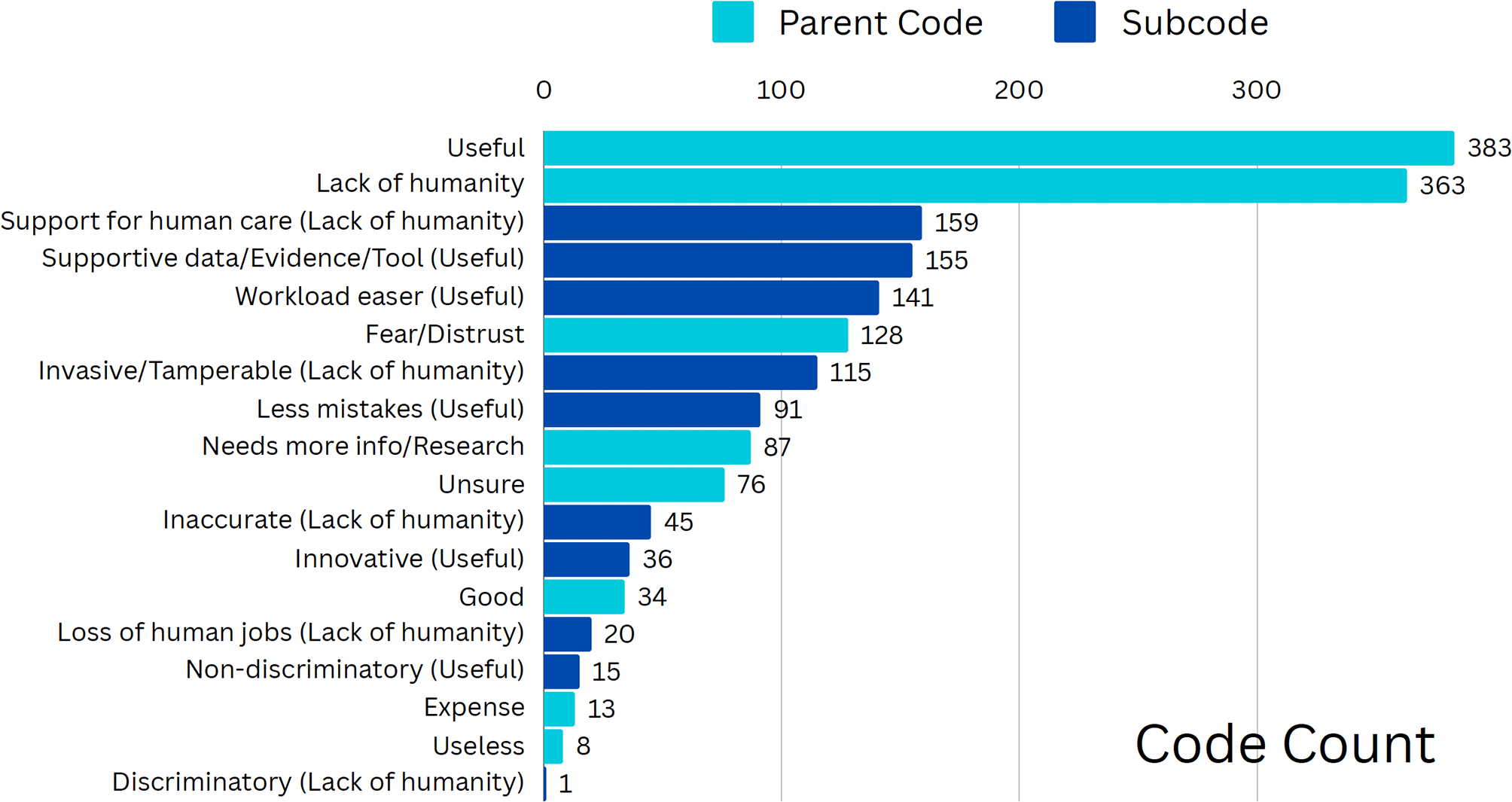
In the rapidly evolving landscape of healthcare, the integration of artificial intelligence (AI) stands as a beacon of both promise and concern. The research underscores a significant tension: while AI has the capability to enhance healthcare delivery, there is palpable unease about its impact on the traditional physician-patient relationship.
As artificial intelligence (AI) technology advances, it presents a myriad of ethical dilemmas and challenges that demand urgent attention. The USC Annenberg School for Communication and Journalism recently explored these pressing issues, highlighting the complexities involved in AI's deployment.