In the swiftly evolving world of business intelligence, predictive analytics tools have become indispensable assets, offering companies the power to forecast future trends by analyzing past and current data patterns. As we look toward 2025, these tools are not only more powerful but also more accessible, catering to both data science experts and conventional business users.
Revolutionizing Business Intelligence
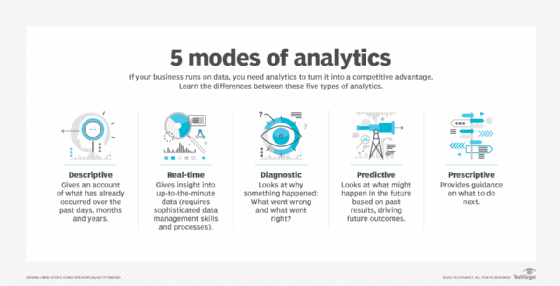
Predictive analytics has undergone a significant transformation. Once the domain of specialized data scientists, advancements in AI have democratized these tools, making them user-friendly even for those without technical expertise. As TechTarget reports, this shift is driven by a need to simplify complex analytics processes and integrate machine learning models into business workflows.
Top Tools for 2025
In its recent feature, TechTarget profiles eight leading predictive analytics tools that are setting the stage for 2025:
Altair AI Studio: Known for its data mining capabilities, it simplifies data extraction and modeling workflows.
Alteryx AI Platform: Offers automated data preparation and integration with other ML platforms.
Dataiku: Provides a platform for both technical and non-technical users to generate insights.
H2O Driverless AI: Focuses on automation in AI development, making it accessible to all.
IBM Watson Studio: Integrates predictive analytics with a broad range of functions, enhancing collaboration.
Microsoft Azure Machine Learning: Complements its core tools with lifecycle management for predictive analytics.
SAP Analytics Cloud: Combines BI, planning, and predictive analytics into a unified suite.
SAS: Continues its legacy with modernized data science and machine learning workflows.
The Democratization of Analytics
Carlie Idoine of Gartner highlights the growing accessibility of these tools, noting that automation has reduced the need for deep technical expertise. This democratization is further evidenced by platforms like Tableau’s integration with Einstein Discovery, which empowers business users with AI-driven insights.
Looking Ahead
As businesses prepare for the future, the integration of predictive analytics tools into everyday operations is crucial. The insights from TechTarget underscore the importance of selecting the right tools to meet diverse business needs, from lead scoring to fraud reduction.
In conclusion, the landscape of predictive analytics is poised for continued growth and innovation. By leveraging these tools, businesses can not only gain a competitive edge but also drive informed decision-making processes across all levels.
More Articles
Getting licensed or staying ahead in your career can be a journey—but it doesn’t have to be overwhelming. Grab your favorite coffee or tea, take a moment to relax, and browse through our articles. Whether you’re just starting out or renewing your expertise, we’ve got tips, insights, and advice to keep you moving forward. Here’s to your success—one sip and one step at a time!
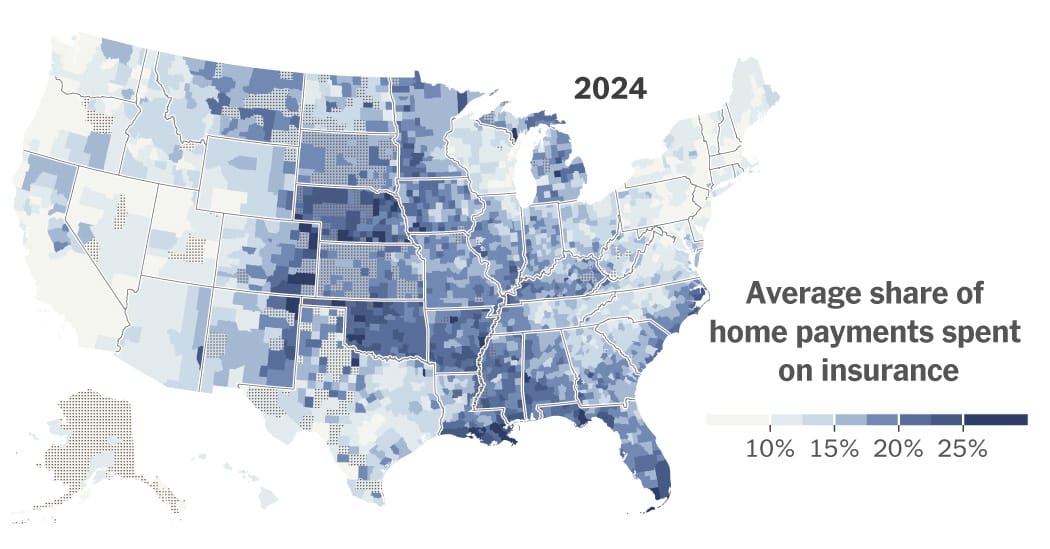
A surge in home insurance premiums is reshaping housing markets across the country, hitting disaster‑prone regions the hardest. From Louisiana to Colorado and California, deals are collapsing, buyers are backing out, and home values are dropping as insurance becomes a central affordability hurdle. New data shows climate‑driven risk repricing and soaring reinsurance costs are stripping tens of thousands of dollars from property values, forcing some homeowners to sell at a loss—or go uninsured altogether.
After years of sluggish activity, the National Association of REALTORS predicts 2026 could mark the long‑awaited rebound for the housing market. With a projected 14% jump in home sales, steadier rates near 6%, and rising buyer activity, NAR economists say momentum is already building. Early signs—like a 31% surge in mortgage applications, continued job growth, and stabilizing prices—suggest a stronger, more confident market ahead, creating fresh opportunities for both seasoned professionals and aspiring agents preparing to enter the field.
A surge of global capital is reshaping real estate heading into 2026, with investors shifting toward hands‑on strategies, cross‑border diversification, and high‑growth asset classes like data centers. Colliers’ 2026 Global Investor Outlook highlights rising confidence, improving liquidity, and a major pivot toward direct investing and value‑add opportunities. From office market rebounds to Asia Pacific’s rapid fundraising growth, the report outlines trends every real estate professional should understand as the industry enters a more dynamic, opportunity‑rich cycle.
Culver City just became the first place in California to legalize six‑story apartment buildings with only one staircase — a simple change that could reshape mid‑rise housing statewide. By freeing up as much as 7% more usable floor space, architects say single‑stair designs allow bigger units, more windows, and the kind of elegant layouts common in New York and Europe. If the city’s six‑year experiment succeeds, it may spark a broader rethinking of U.S. building codes and open the door to more flexible, affordable multifamily development across California.
Stratford homeowners are receiving their 2025 Notices of Assessment Change, marking the town’s first property revaluation since 2019. Officials emphasize that rising assessments do not equal higher tax bills, as a new mill rate won’t be set until spring 2026. Residents can challenge or review their updated valuations through informal hearings hosted by Vision Government Solutions, with appointments available for one week after receiving a notice.
New reporting reveals Florida homeowners now face an average insurance premium of $5,838 per year — nearly triple the national average. With skyrocketing rates, denied claims, and mounting non-renewals, residents are being pushed to tough financial decisions while lawmakers scramble to implement reforms. From retirees skipping coverage to families battling insurers for fair payouts, Florida’s insurance crisis is reshaping both the housing market and the daily lives of homeowners statewide.