Examining the Impact of Proposition 47 and the Pandemic on Crime in California
In a detailed analysis by the Public Policy Institute of California, authors Magnus Lofstrom and Brandon Martin explore the ramifications of Proposition 47 alongside the COVID-19 pandemic on crime rates in the Golden State. Proposition 47, enacted in November 2014, was a landmark reform that reclassified certain non-violent drug and property offenses from felonies to misdemeanors. This legislative shift led to a significant reduction in the state’s prison population, saving approximately $800 million, which was redirected to fund treatment and diversion programs.
The report highlights a notable increase in property crimes, particularly larcenies and burglaries, following the implementation of Proposition 47. These trends were exacerbated during the pandemic, where reduced clearance rates for these crimes were identified as a key factor. Despite the decrease in incarceration rates, the increase in crime was described as modest, with the authors emphasizing the limited impact of changes in drug arrests on overall crime rates.
The Pandemic’s Influence on Crime
The pandemic further altered the crime landscape, with lower enforcement and incarceration rates contributing to a rise in property crimes, especially commercial burglaries and auto thefts. Nonetheless, the report found no significant evidence linking drug arrests to an increase in crime during this period.
The authors recommend that California’s policymakers focus on reversing the declining clearance rates and prioritize evidence-based alternatives to incarceration. While acknowledging the successes of Proposition 47 in reducing inmate populations, the report underscores the importance of understanding the factors influencing crime rates and implementing strategies that emphasize increased apprehension rates over harsher punishments.
Recommendations for Policymakers
As California reflects on a decade of criminal justice reforms, the insights from this report are crucial. Policymakers are encouraged to delve deeper into the underlying causes of crime increases and to explore innovative solutions that balance public safety with justice reform. This includes enhancing the effectiveness of law enforcement through better resources and training, and investing in community-based programs that address the root causes of crime.
Getting licensed or staying ahead in your career can be a journey—but it doesn’t have to be overwhelming. Grab your favorite coffee or tea, take a moment to relax, and browse through our articles. Whether you’re just starting out or renewing your expertise, we’ve got tips, insights, and advice to keep you moving forward. Here’s to your success—one sip and one step at a time!
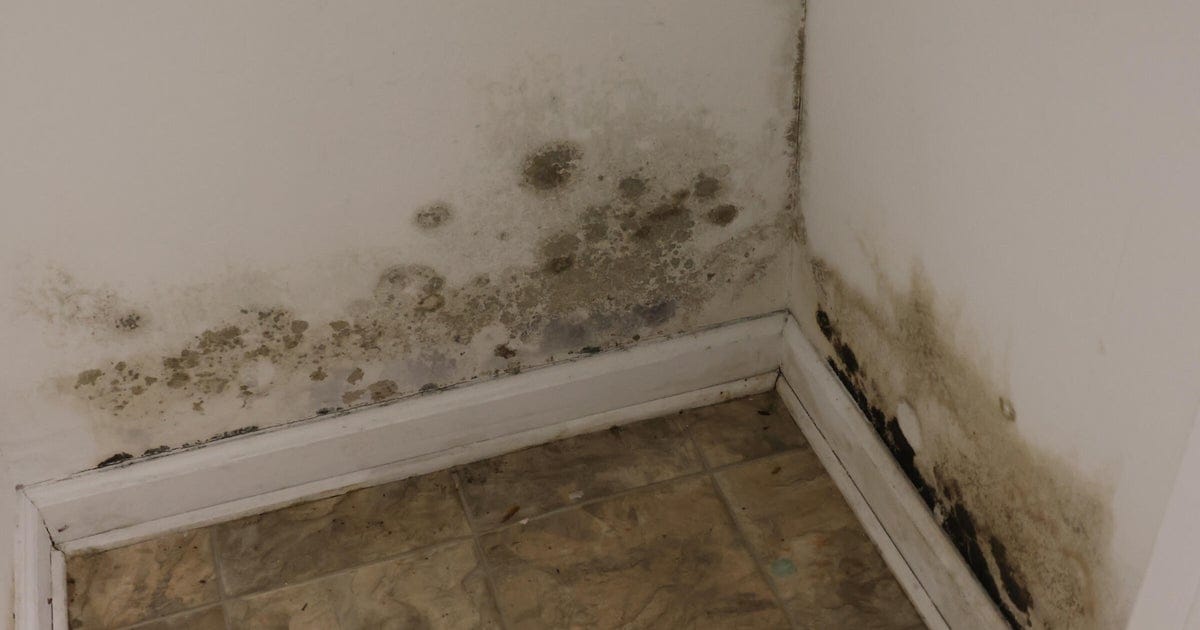
Extreme storms are triggering a surge in hidden mold growth across nearly half of U.S. homes, creating a growing health and financial emergency for families and real estate professionals. From rapid post‑storm mold development to soaring remediation costs, this silent threat is reshaping property safety, insurance challenges, and the future of housing in high‑risk regions.
A Florida consumer has filed a class action accusing Rocket Mortgage of repeatedly calling her even after confirming her opt‑out request, marking the company’s 56th TCPA‑related lawsuit. The complaint claims Rocket continued outreach for nearly three weeks—despite a STOP confirmation—and could impact more than 10,000 consumers nationwide.
Mortgage rates rose for the third straight week, reaching their highest level in a month and triggering a 5.2% drop in overall mortgage applications. Refinance activity slid 7%, purchase demand dipped 2%, and analysts say uncertainty in the bond market is keeping rates on a choppy path. Despite the pullback, today’s loan activity still sits well above last year’s lows, signaling that buyers remain active—but increasingly cautious.
Florida has approved a 6.9% reduction in workers’ compensation insurance rates for 2026, marking the ninth straight year of decreases. The cut, signed by Insurance Commissioner Mike Yaworsky, takes effect January 1 and lowers costs for all new and renewal policies. State officials say the trend reflects improved workplace safety and will help businesses reduce expenses and support growth across industries including real estate, construction, and property management.
Mortgage rates are dipping, inventory is soaring, and—for the first time in years—buyers have real leverage. While home prices remain at record highs and the economy feels unpredictable, rising inventory and cooling rates are creating rare opportunities for financially ready buyers. If you’ve been waiting for the market to open a door, this may be your moment to step through.
Miami developers are pitching 'safe spaces' for millionaires amid fears of a political shift in New York City. Concerns over higher taxes and crime are prompting some New Yorkers to consider relocating south.