As the calendar turns to 2025, the real estate industry braces itself for a series of transformative challenges and opportunities. According to the National Association of REALTORS®, the Counselors of Real Estate (CRE) have identified the top issues poised to impact both commercial and residential sectors globally.


Among the most pressing matters is political uncertainty, with elections in over 70 countries, including the United States, likely to reshape the geopolitical landscape. This could have profound implications for regulation, trade, corporate taxes, and immigration policies, as noted by CRE global chair Anthony DellaPelle.


High financing costs continue to be a major concern. Despite a recent drop in interest rates, they remain elevated, prompting caution among purchasers. The maturation of nearly $1.8 trillion in commercial real estate loans by 2026 adds another layer of complexity, as lenders face regulatory constraints and capital reserve challenges.


Geopolitical dynamics, including regional conflicts, further complicate the market. These issues contribute to supply chain disruptions, inflation, and labor shortages, all of which impact real estate transactions.


In the residential sector, soaring insurance costs due to natural disasters have become a significant burden. With economic losses reaching $380 billion last year, property owners are rethinking traditional insurance models, focusing instead on robust risk management strategies.


Meanwhile, the housing affordability crisis persists, exacerbated by a persistent inventory deficit and rapid rent increases. CRE’s report highlights the need for new construction and the preservation of affordable housing units to address these challenges.


The rapid growth of artificial intelligence is another transformative factor. AI’s integration into real estate operations promises to optimize processes, though challenges with fragmented data and location-specific nuances remain.


Sustainability is gaining traction as a critical conversation topic. With frequent hurricanes, wildfires, and floods causing billions in damages, the demand for climate resiliency in construction is higher than ever. However, regulatory environments differ significantly between regions like the U.S. and Europe.


The report also highlights the financial bottleneck resulting from differing price expectations between buyers and sellers, as the market seeks equilibrium.


For those interested in diving deeper into these issues, the upcoming NAR NXT conference will provide insights into navigating these challenges in the year ahead.


More Articles

Getting licensed or staying ahead in your career can be a journey—but it doesn’t have to be overwhelming. Grab your favorite coffee or tea, take a moment to relax, and browse through our articles. Whether you’re just starting out or renewing your expertise, we’ve got tips, insights, and advice to keep you moving forward. Here’s to your success—one sip and one step at a time!

The PropTech Revolution: Transforming Real Estate with Innovation

"The challenges faced by the PropTech industry are vast, ranging from data security and regulatory compliance to the implementation of sustainable practices. Yet, technologies such as Artificial Intelligence (AI), Virtual Reality (VR), Internet of Things (IoT), and Blockchain are pivotal in addressing these hurdles."

By |February 9, 2025|Categories: Article, Real Estate, Technology|Tags: , |0 Comments

Emerging Neighbourhoods: The UK’s Next Property Hotspots

This shift is reshaping the landscape of the British property market, uncovering hidden gems that promise significant returns.

By |February 9, 2025|Categories: Article, Investment, Real Estate|Tags: , |0 Comments

2025 Commercial Real Estate Outlook: Navigating a New Era

The commercial real estate sector is poised to emerge from recent tumultuous years, armed with insights and strategies to better position itself for the future. According to a detailed analysis by Deloitte, the 2025 outlook offers a roadmap for industry leaders to navigate the evolving landscape.

By |February 8, 2025|Categories: Article, Economic Outlook, Real Estate|Tags: |0 Comments

Navigating the New IRS 1099-K Reporting Rules: What Freelancers and Small Business Owners Need to Know

The IRS is ushering in a new era of tax reporting that will significantly affect freelancers, small business owners, and anyone who earns income through third-party payment apps like Venmo or PayPal. These changes are embodied in the form of adjusted thresholds for the Form 1099-K, a tax document used to report income from such platforms. Previously, this form was only required for those earning at least $20,000 annually through these services. However, new phased-in rules will reduce this threshold to $600 by 2026, starting with earnings over $5,000 in 2024.

By |February 8, 2025|Categories: Article, Finance, Taxation|Tags: |0 Comments

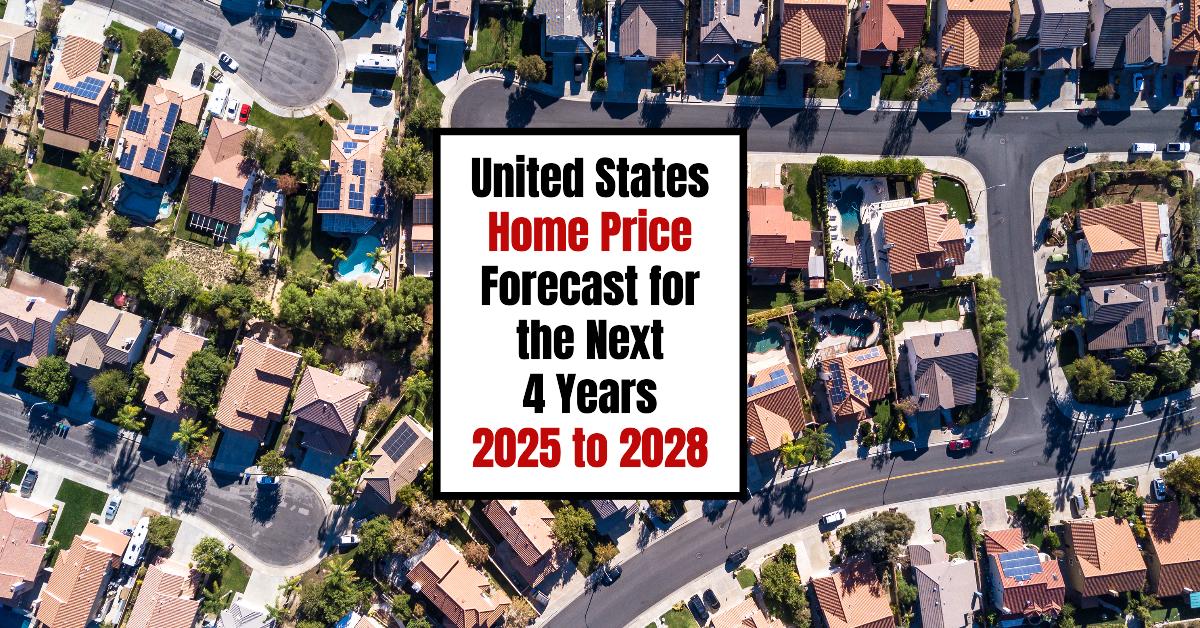
Forecasting the Future: Housing Market Insights for 2025 to 2028

As we look to the horizon of the U.S. housing market, Fannie Mae's Home Price Expectations Survey offers a crucial glimpse into the coming years. Compiled from the insights of over 100 housing experts, this survey predicts notable changes in home prices from 2025 to 2028. The analysis, originally detailed by Norada Real Estate Investments, suggests a shift in market dynamics that could impact homeowners and investors alike.

By |February 8, 2025|Categories: Article, Market Analysis, Real Estate|Tags: , |0 Comments

The AI Revolution in Real Estate: A New Era of Market and Property Insights

The real estate industry, long perceived as conservative and slow to adapt, is now on the cusp of a technological revolution.