Revolutionizing Precision Medicine: AI’s Role in Diabetes and Chronic Disease Management
In an era where data reigns supreme, the integration of
artificial intelligence (AI) and machine learning (ML) into the realm of
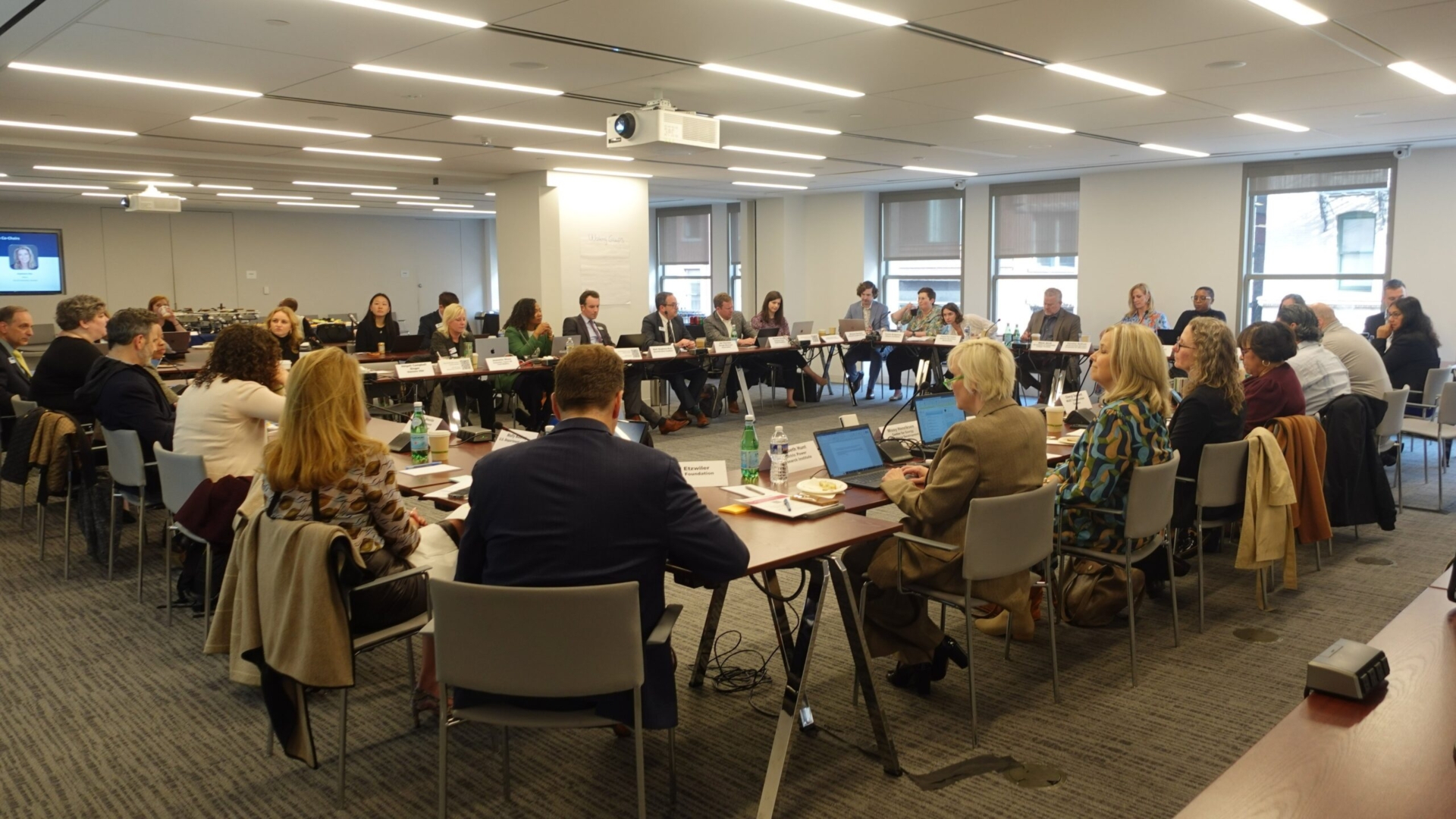
precision medicine is not just a possibility but a burgeoning reality. This transformative journey was the focal point of a recent workshop organized by the National Institutes of Health (NIH), which sought to bridge the gap between biomedical researchers and AI/ML experts. The gathering aimed to explore the immense potential AI holds in revolutionizing the treatment and management of
diabetes and other
chronic diseases.
Precision Medicine’s Evolving Landscape
The workshop underscored the significant strides AI/ML has made in biomedicine. From enhancing biomarker development to improving diagnostics, AI is paving the way for more personalized and effective healthcare solutions. Recent advancements in generative AI and Large Language Models (LLMs) promise to further revolutionize this field, offering new avenues for research and application.
Key Discussions and Objectives
The event was a melting pot of ideas, with discussions centered on the unique opportunities AI presents in
precision medicine. Participants delved into the current status of AI-based
precision medicine for diabetes, identifying community needs and gaps. The workshop also highlighted how NIH and the National Institute of Diabetes and Digestive and Kidney Diseases (NIDDK) data science programs can address these gaps.
Distinguished Participants and Organizers
The organizing committee comprised notable figures from academia and the NIH, including Marcela Brissova from Vanderbilt University and Jeffrey Grethe from the University of California, San Diego. Their expertise and insights were instrumental in steering the workshop’s discussions.
Pre-Workshop Speaker Series
To set the stage for the main event, a pre-workshop speaker series was held. The first session,
The Bio-Behavioral Dimensions of Diabetes Heterogeneity, featured Dr. Yao Qin and Dr. Ashu Sabharwal, who shared their insights on data-driven machine learning and bio-behavioral pathways in diabetes.
The second session,
Advances in AI and Applications in Biomedicine, showcased Dr. James Zou and Dr. Eran Halperin, who explored AI agents in biomedicine and the challenges and opportunities across data modalities in medicine.
Event Logistics and Participation
Hosted at the Neuroscience Center Building in Rockville, MD, the workshop offered both in-person and virtual participation options. This hybrid approach ensured a broad spectrum of engagement from the scientific community.
For those interested in revisiting the event, recordings of the sessions are available:
Day 1 Webinar and
Day 2 Webinar.
Conclusion
As AI continues to evolve, its integration into
precision medicine promises to unlock new potential in the treatment of
chronic diseases. The NIH workshop was a testament to the collaborative efforts needed to harness this potential, paving the way for a future where healthcare is more personalized, predictive, and precise.