The global economic landscape is undergoing a seismic shift as countries brace for potential US tariffs. Since the dawn of the Trump Administration in 2017, the US share of global trade has been on the decline, even as its GDP share has risen. This paradox is driven by robust US economic growth and soaring equity valuations, reflecting investor confidence in American innovation.


However, the world is not standing still. Non-US trade is flourishing, with countries actively signing new trade agreements to reduce reliance on the US. The European Union, for instance, has recently finalized deals with South American nations and is in talks with Australia and Indonesia, as reported by FT. Meanwhile, China is pivoting towards Asia-Pacific partnerships and engaging with Latin American countries.


The US Economy Remains Strong

Despite these global shifts, the US economy continues to show resilience. According to recent data from the Bureau of Economic Analysis, the US GDP grew by 2.8% in 2024, driven by a surge in consumer spending, particularly on durable goods.


Yet, there are signs of caution. Business investment fell, and trade made a negative contribution to GDP growth in the fourth quarter. The looming threat of tariffs could further complicate matters, potentially leading to higher consumer prices and impacting export growth.


US Federal Reserve Keeps Policy Unchanged

The Federal Reserve, as expected, has kept interest rates steady. In a recent press conference, Fed Chair Powell highlighted that while the labor market has cooled, inflation remains “elevated.” This cautious stance led to a drop in equity prices and a rise in bond yields, reflecting investor sentiment.


Eurozone Economy Stagnates While ECB Cuts Rates

Across the Atlantic, the Eurozone economy is facing stagnation. Recent reports from Eurostat show no growth in the fourth quarter of 2024. The European Central Bank (ECB) responded by cutting interest rates, aiming to boost activity amid ongoing economic headwinds.


ECB President Lagarde noted that while manufacturing is weak, services remain strong. However, potential US tariffs pose a risk, potentially impacting the Eurozone’s growth trajectory.


As the global economic narrative unfolds, the world watches closely, anticipating the US’s next move on tariffs and its ripple effects on global trade and economic stability.

More Articles

Getting licensed or staying ahead in your career can be a journey—but it doesn’t have to be overwhelming. Grab your favorite coffee or tea, take a moment to relax, and browse through our articles. Whether you’re just starting out or renewing your expertise, we’ve got tips, insights, and advice to keep you moving forward. Here’s to your success—one sip and one step at a time!

Artificial Intelligence in Diagnostics: A Revolution in Healthcare

The global market for artificial intelligence in diagnostics is poised for remarkable growth, with projections estimating it to reach USD 7.3 billion by 2032.

By |December 10, 2024|Categories: Article, Artificial Intelligence, Healthcare|Tags: , |0 Comments

Revolutionizing Medical Education with Extended Reality

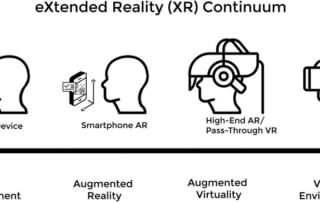
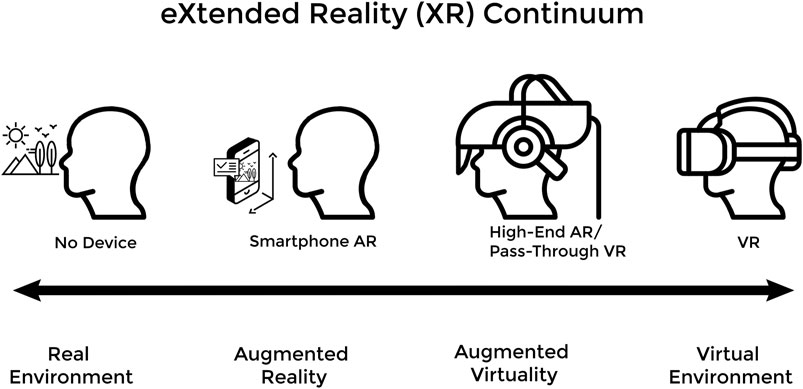
In the ever-evolving landscape of medical education, a new player has emerged, promising to revolutionize the way future doctors are trained. The integration of eXtended Reality (XR) technologies is reshaping the educational landscape by addressing the limitations of traditional methods.

Genetic Testing: A New Dawn in Healthcare

Genetic testing represents more than just a scientific advancement; it signifies a fundamental shift in how we approach health and wellness.

Sustainable Architecture: Blending Innovation with Ecological Responsibility

The journey toward sustainable architecture is ongoing, with each project serving as a beacon of what's achievable when creativity meets ecological awareness.

By |December 9, 2024|Categories: Architecture, Article, Sustainability|Tags: |0 Comments

AI in Clinical and Molecular Diagnostics: A Market on the Rise

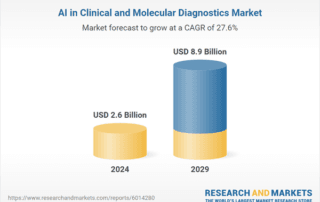
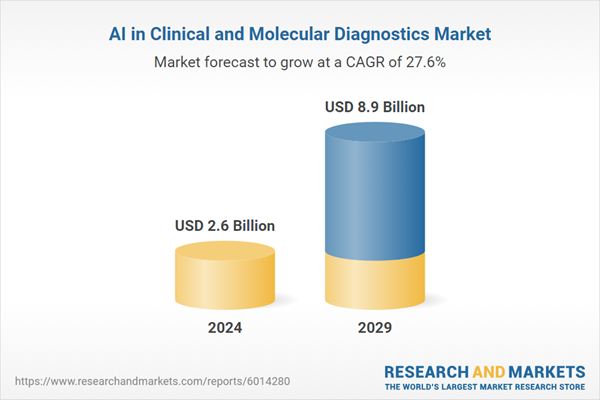
AI in Clinical and Molecular Diagnostics Market is set to experience remarkable growth, projected to surge from USD 2.6 billion in 2024 to USD 8.9 billion by 2029. This growth is driven by the integration of advanced AI technologies such as machine learning and deep learning into traditional diagnostic methodologies like imaging, genomics, and laboratory testing.

AI: A Revolution in Healthcare’s Future

AI is not a distant dream but a present reality, already integrated into everyday life through virtual assistants like Alexa and Siri. AI shows promise in enhancing medical accuracy, such as in predicting mesothelioma survival and improving colonoscopy accuracy, it is not intended to replace healthcare professionals.