The global economic landscape is undergoing a seismic shift as countries brace for potential US tariffs. Since the dawn of the Trump Administration in 2017, the US share of global trade has been on the decline, even as its GDP share has risen. This paradox is driven by robust US economic growth and soaring equity valuations, reflecting investor confidence in American innovation.


However, the world is not standing still. Non-US trade is flourishing, with countries actively signing new trade agreements to reduce reliance on the US. The European Union, for instance, has recently finalized deals with South American nations and is in talks with Australia and Indonesia, as reported by FT. Meanwhile, China is pivoting towards Asia-Pacific partnerships and engaging with Latin American countries.


The US Economy Remains Strong

Despite these global shifts, the US economy continues to show resilience. According to recent data from the Bureau of Economic Analysis, the US GDP grew by 2.8% in 2024, driven by a surge in consumer spending, particularly on durable goods.


Yet, there are signs of caution. Business investment fell, and trade made a negative contribution to GDP growth in the fourth quarter. The looming threat of tariffs could further complicate matters, potentially leading to higher consumer prices and impacting export growth.


US Federal Reserve Keeps Policy Unchanged

The Federal Reserve, as expected, has kept interest rates steady. In a recent press conference, Fed Chair Powell highlighted that while the labor market has cooled, inflation remains “elevated.” This cautious stance led to a drop in equity prices and a rise in bond yields, reflecting investor sentiment.


Eurozone Economy Stagnates While ECB Cuts Rates

Across the Atlantic, the Eurozone economy is facing stagnation. Recent reports from Eurostat show no growth in the fourth quarter of 2024. The European Central Bank (ECB) responded by cutting interest rates, aiming to boost activity amid ongoing economic headwinds.


ECB President Lagarde noted that while manufacturing is weak, services remain strong. However, potential US tariffs pose a risk, potentially impacting the Eurozone’s growth trajectory.


As the global economic narrative unfolds, the world watches closely, anticipating the US’s next move on tariffs and its ripple effects on global trade and economic stability.

More Articles

Getting licensed or staying ahead in your career can be a journey—but it doesn’t have to be overwhelming. Grab your favorite coffee or tea, take a moment to relax, and browse through our articles. Whether you’re just starting out or renewing your expertise, we’ve got tips, insights, and advice to keep you moving forward. Here’s to your success—one sip and one step at a time!

Global Capital Is Reshaping Real Estate for 2026

Investors worldwide are redeploying capital, embracing more active deal structures, and expanding into new regions as the 2026 market takes shape. Data centers, revived office demand, and global diversification are driving a major shift—creating fresh opportunities for real estate, mortgage, and finance professionals who understand where capital is heading next.

Florida’s Home Insurance Crisis Hits Breaking Point as Premiums Soar and Claims Go Unpaid

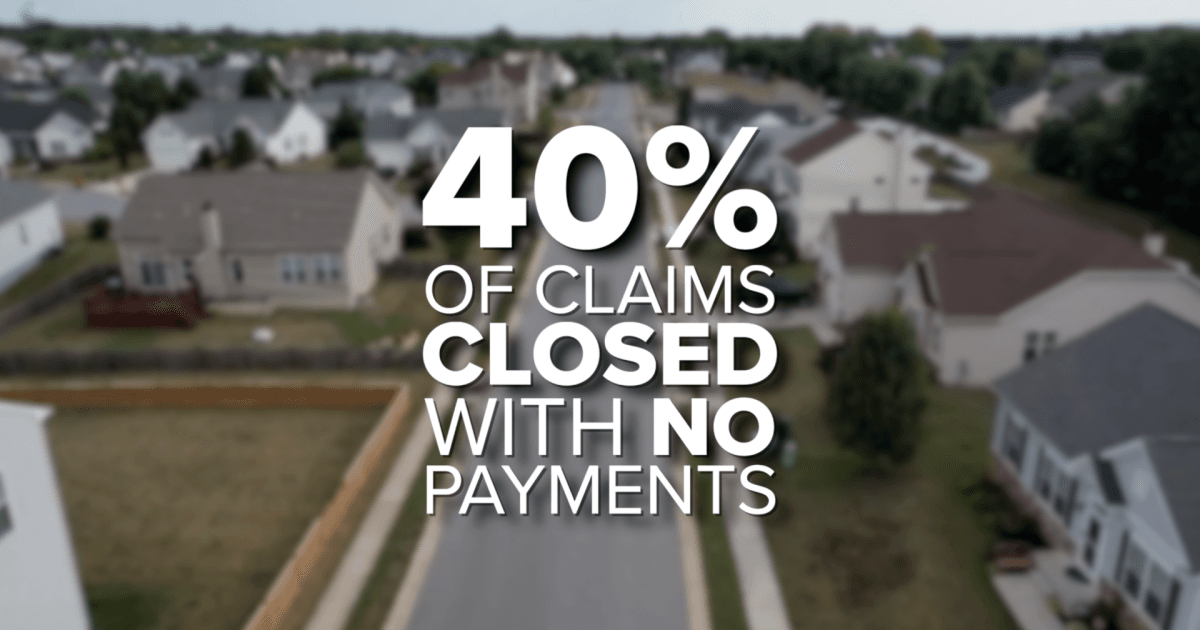
Florida homeowners now pay an average of $5,838 per year for insurance—about $3,000 more than the national average—pushing many families to the financial brink. Residents report premiums tripling, claims being severely underpaid, and insurers dropping policies at one of the highest rates in the country. As frustration mounts, lawmakers and industry experts are calling for sweeping reforms to curb rising costs, increase accountability, and stabilize a market that’s reshaping real estate decisions across the state.

Citizens Insurance Steps Back as Florida’s Private Market Surges

Florida’s insurance market has hit a major turning point. Citizens Property Insurance—once the state’s largest insurer with 1.4 million policies—has shed more than 900,000 policies as private insurers return in force. Driven by Florida’s depopulation program and the arrival of 17 new companies, nearly 200,000 policies shifted to private carriers in October alone, with about 40 percent offering lower premiums. The shift signals rising competition, stabilizing rates, and new opportunities for homeowners and industry professionals navigating Florida’s evolving insurance landscape.

NAR Unveils Biggest MLS Policy Overhaul in 20 Years, Effective 2026

The National Association of REALTORS® has approved 18 major updates to modernize its MLS policies—the largest overhaul in two decades. Announced at NAR NXT in Houston and set to take effect in January 2026, the changes aim to streamline MLS operations, improve enforcement clarity, and better align policies with how today’s real estate professionals actually work.

Inhabit Unveils New AI and Fraud Prevention Tools Transforming Property Management

Inhabit has rolled out a powerful lineup of AI-driven leasing, marketing, fraud prevention, and compliance tools designed to streamline operations and protect property teams from growing risks. From hybrid AI leasing assistants to instant income verification and upcoming portfolio-wide lease audits, these innovations aim to cut costs, eliminate inefficiencies, and strengthen regulatory confidence across the multifamily industry.

Florida’s Insurance System Is Shifting Again—But Are Homeowners Still in the Danger Zone?

Florida’s latest round of insurance reforms was meant to calm a volatile market, yet many experts warn the same deep structural problems remain. Homeowners are being pushed from Citizens into higher‑priced, lightly capitalized private insurers, ratings agencies face scrutiny for inflated grades, and political influence clouds oversight. For real estate and insurance professionals, these trends signal ongoing risk, rising costs, and a market in need of a complete rebuild.