As we look ahead to the next decade, the dynamics of housing supply and demand in the United States are poised for a dramatic shift. Population growth is slowing, leading to fewer new households and a reduced need for new homes. This pivotal change is explored in a recent article from RealEstateNews.com.

A suburban development with new homes and homes under construction

Key Insights

  • Household growth in the U.S. is on a declining trajectory, with projections indicating a further slowdown over the next two decades.
  • Within the next decade, population growth, excluding immigration, could potentially turn negative.
  • The convergence of fewer households and increased homebuilding could resolve the housing shortage, necessitating a shift in the construction industry.

The Harvard University’s Joint Center for Housing Studies report highlights that only 8.6 million new households are expected to form over the next ten years. This figure could further dwindle to 5.1 million between 2035 and 2045, marking the lowest decade of household formation in a century.

Demographic Shifts

According to U.S. Census data, the number of children under five decreased by nearly 9% from 2010 to 2020, while the senior demographic over 62 surged by over 36%. This demographic shift indicates that the aging population and reduced birth rates are expected to slow and eventually reverse native population growth, leaving future growth dependent on immigration.

Impact on Homebuilders

Despite the current housing shortage, demand for new homes is anticipated to remain robust in the short term. The report estimates 11.3 million new homes will be constructed between 2025 and 2035. However, as Gen Z and Gen Alpha, smaller cohorts than the baby boomers and millennials, become the primary homebuyers, new home construction is expected to decelerate.

The Role of Immigration

While native population trends offer a clearer forecast, immigration remains an unpredictable element. Daniel McCue, the report’s author, notes that even with higher immigration levels, household growth is projected to decline due to the decrease in natural population growth.

For a deeper dive into these findings, visit the original article on RealEstateNews.com.

More Articles

Getting licensed or staying ahead in your career can be a journey—but it doesn’t have to be overwhelming. Grab your favorite coffee or tea, take a moment to relax, and browse through our articles. Whether you’re just starting out or renewing your expertise, we’ve got tips, insights, and advice to keep you moving forward. Here’s to your success—one sip and one step at a time!

Revolutionizing Real Estate with IoT: A New Era of Smart Homes

The real estate industry is on the brink of a transformation, driven by the integration of the Internet of Things (IoT). This technological advancement is reshaping how buildings operate and enhancing tenant experiences across the globe.

New Orleans as a Beacon of Resilience: The Sixth Triennial

"This framework postulates New Orleans as already living in the future," said Patterson during the exhibition's opening. Lash added, "We want to show New Orleans as a gift and as a scout." The exhibition, featuring 51 artists across 21 venues, highlights how contemporary art can serve as an engine of coping, rather than mere recovery.

By |March 6, 2025|Categories: Art, Article, Culture|Tags: , |0 Comments

Navigating Trump’s Tax Proposals: Key Changes Ahead

As the dust settles on the recent Republican victory in the U.S. presidential election, the tax landscape is poised for significant changes with President-elect Donald Trump set to return to the White House.

By |March 6, 2025|Categories: Article, Tax Policy, U.S. Politics|Tags: , |0 Comments

Multifamily Housing Sector: Modest Growth and Market Predictions for 2025

As we step into 2025, the multifamily housing sector is projected to experience modest growth. Yardi Matrix anticipates a 1.5% increase in rents, driven by positive economic conditions and stable industry fundamentals, particularly in the Northeast and Midwest regions. However, the rent growth forecasts vary across different markets.

Renter Preferences for 2024: Insights from Industry Surveys

Recent surveys have shed light on the preferences and priorities of renters in 2024, emphasizing the dominance of digital marketing and the importance of community inclusiveness.

AI Revolutionizes the Real Estate Market

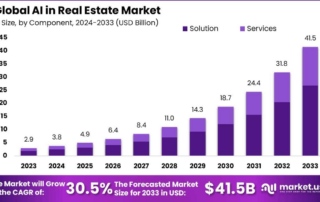
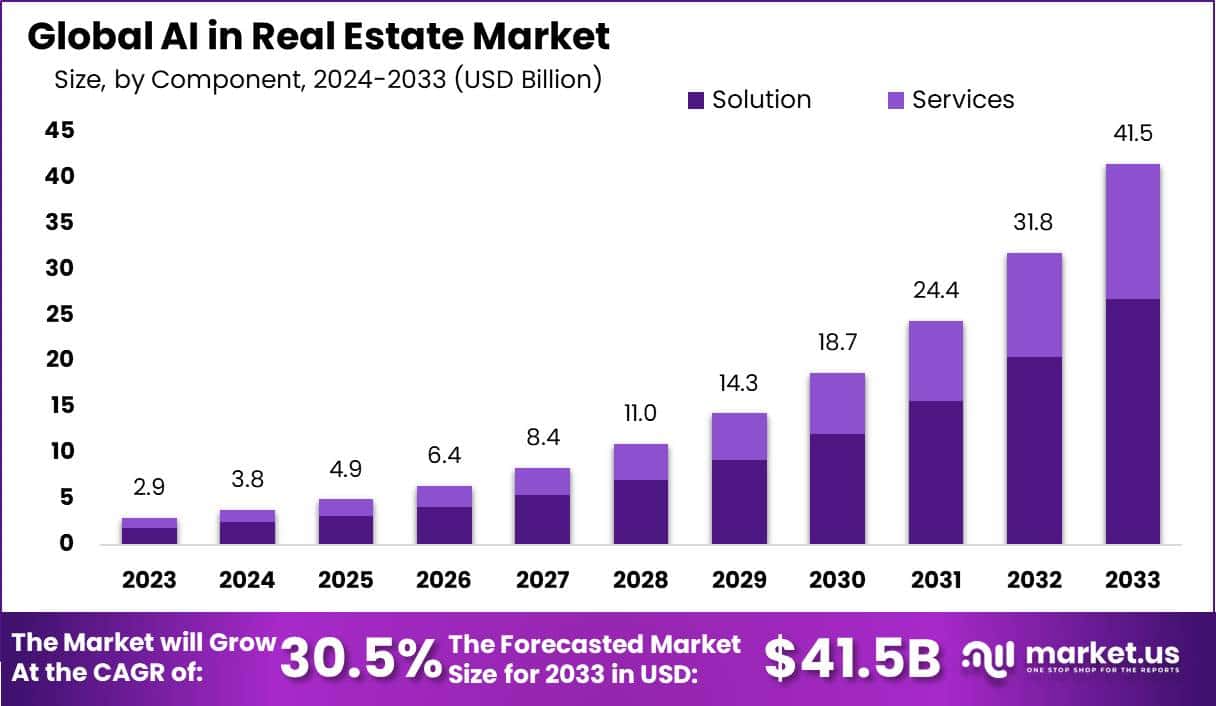
The real estate industry is on the brink of a technological transformation, with Artificial Intelligence (AI) playing a pivotal role. According to a recent report by Market.us, the AI in real estate market is projected to surge from USD 2.9 Billion in 2023 to a staggering USD 41.5 Billion by 2033, growing at an impressive CAGR of 30.5%.