In the face of escalating natural disasters, the economic wisdom of investing in climate resilience and preparedness is becoming increasingly clear. According to a recent report by the U.S. Chamber of Commerce, in partnership with Allstate and the U.S. Chamber of Commerce Foundation, each dollar spent on disaster preparedness can yield a remarkable $13 in savings on economic impact, damage, and cleanup costs.

The Economic Case for Preparedness

The report highlights the immense financial toll of natural disasters, which in 2022 alone exceeded $360 billion globally. By modeling 25 different disaster scenarios, the study demonstrates the potential economic benefits of proactive investments in resilience. For instance, a mere $1 investment in resilience not only reduces damage costs by $6 but also saves an additional $7 in economic costs post-disaster.

Case Studies: Real-World Impacts

  • Miami and Hurricanes: A $10.8 billion investment in preparedness for a Category 4 hurricane in Miami could prevent the loss of approximately 184,000 jobs and save $26 billion in production and $17 billion in income.
  • San Diego and Earthquakes: An $833 million investment can save about 38,000 jobs and preserve $5.8 billion in production and $3.3 billion in income during a major earthquake.
  • Nashville and Tornadoes: For a serious tornado, $83 million in preparedness investments could save more than 5,300 jobs, $683 million in production, and $464 million in income
  • Redding and Droughts: An $83 million investment could save 474 jobs and preserve $67 million in output during a drought/heat wave
  • Santa Fe and Wildfires: Similarly, $83 million could save 388 jobs and $45 million in output during a wildfire


Beyond Immediate Savings

Investments in resilience have broader economic implications, preserving jobs and incomes that might otherwise be lost. The report urges policymakers, businesses, and communities to recognize the economic advantages of preparedness, emphasizing the long-term benefits over short-term costs.

Join the Conversation

September is National Preparedness Month, a time to raise awareness about climate resiliency. Engage with resources like the Climate Resiliency Report Social Media Toolkit to help your community prepare for future disasters.

Conclusion

The findings underscore a critical truth: preparedness pays off. By investing in resilience today, we can safeguard our economic futures against the uncertainties of tomorrow. For more insights, explore the full report.

More Articles

Getting licensed or staying ahead in your career can be a journey—but it doesn’t have to be overwhelming. Grab your favorite coffee or tea, take a moment to relax, and browse through our articles. Whether you’re just starting out or renewing your expertise, we’ve got tips, insights, and advice to keep you moving forward. Here’s to your success—one sip and one step at a time!

Revolutionizing Real Estate with IoT: A New Era of Smart Homes

The real estate industry is on the brink of a transformation, driven by the integration of the Internet of Things (IoT). This technological advancement is reshaping how buildings operate and enhancing tenant experiences across the globe.

New Orleans as a Beacon of Resilience: The Sixth Triennial

"This framework postulates New Orleans as already living in the future," said Patterson during the exhibition's opening. Lash added, "We want to show New Orleans as a gift and as a scout." The exhibition, featuring 51 artists across 21 venues, highlights how contemporary art can serve as an engine of coping, rather than mere recovery.

By |March 6, 2025|Categories: Art, Article, Culture|Tags: , |0 Comments

Navigating Trump’s Tax Proposals: Key Changes Ahead

As the dust settles on the recent Republican victory in the U.S. presidential election, the tax landscape is poised for significant changes with President-elect Donald Trump set to return to the White House.

By |March 6, 2025|Categories: Article, Tax Policy, U.S. Politics|Tags: , |0 Comments

Multifamily Housing Sector: Modest Growth and Market Predictions for 2025

As we step into 2025, the multifamily housing sector is projected to experience modest growth. Yardi Matrix anticipates a 1.5% increase in rents, driven by positive economic conditions and stable industry fundamentals, particularly in the Northeast and Midwest regions. However, the rent growth forecasts vary across different markets.

Renter Preferences for 2024: Insights from Industry Surveys

Recent surveys have shed light on the preferences and priorities of renters in 2024, emphasizing the dominance of digital marketing and the importance of community inclusiveness.

AI Revolutionizes the Real Estate Market

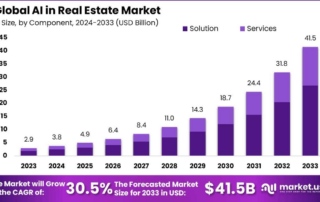
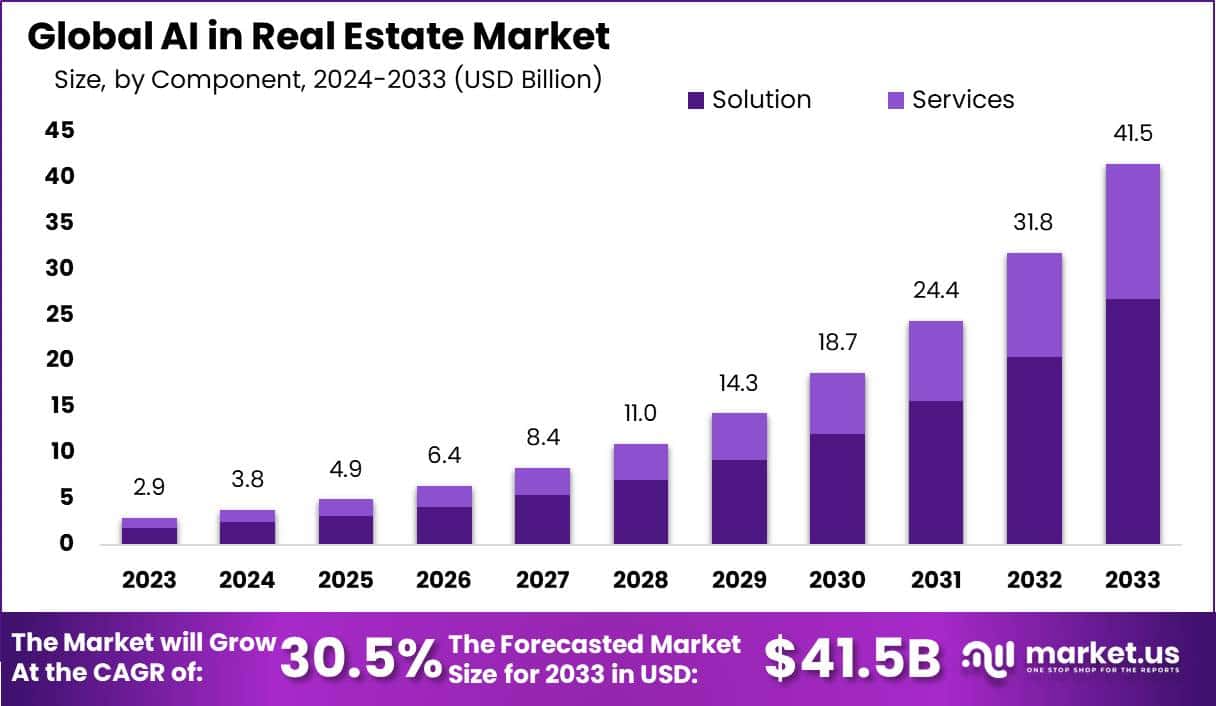
The real estate industry is on the brink of a technological transformation, with Artificial Intelligence (AI) playing a pivotal role. According to a recent report by Market.us, the AI in real estate market is projected to surge from USD 2.9 Billion in 2023 to a staggering USD 41.5 Billion by 2033, growing at an impressive CAGR of 30.5%.