In the face of escalating natural disasters, the economic wisdom of investing in climate resilience and preparedness is becoming increasingly clear. According to a recent report by the U.S. Chamber of Commerce, in partnership with Allstate and the U.S. Chamber of Commerce Foundation, each dollar spent on disaster preparedness can yield a remarkable $13 in savings on economic impact, damage, and cleanup costs.

The Economic Case for Preparedness

The report highlights the immense financial toll of natural disasters, which in 2022 alone exceeded $360 billion globally. By modeling 25 different disaster scenarios, the study demonstrates the potential economic benefits of proactive investments in resilience. For instance, a mere $1 investment in resilience not only reduces damage costs by $6 but also saves an additional $7 in economic costs post-disaster.

Case Studies: Real-World Impacts

  • Miami and Hurricanes: A $10.8 billion investment in preparedness for a Category 4 hurricane in Miami could prevent the loss of approximately 184,000 jobs and save $26 billion in production and $17 billion in income.
  • San Diego and Earthquakes: An $833 million investment can save about 38,000 jobs and preserve $5.8 billion in production and $3.3 billion in income during a major earthquake.
  • Nashville and Tornadoes: For a serious tornado, $83 million in preparedness investments could save more than 5,300 jobs, $683 million in production, and $464 million in income
  • Redding and Droughts: An $83 million investment could save 474 jobs and preserve $67 million in output during a drought/heat wave
  • Santa Fe and Wildfires: Similarly, $83 million could save 388 jobs and $45 million in output during a wildfire


Beyond Immediate Savings

Investments in resilience have broader economic implications, preserving jobs and incomes that might otherwise be lost. The report urges policymakers, businesses, and communities to recognize the economic advantages of preparedness, emphasizing the long-term benefits over short-term costs.

Join the Conversation

September is National Preparedness Month, a time to raise awareness about climate resiliency. Engage with resources like the Climate Resiliency Report Social Media Toolkit to help your community prepare for future disasters.

Conclusion

The findings underscore a critical truth: preparedness pays off. By investing in resilience today, we can safeguard our economic futures against the uncertainties of tomorrow. For more insights, explore the full report.

More Articles

Getting licensed or staying ahead in your career can be a journey—but it doesn’t have to be overwhelming. Grab your favorite coffee or tea, take a moment to relax, and browse through our articles. Whether you’re just starting out or renewing your expertise, we’ve got tips, insights, and advice to keep you moving forward. Here’s to your success—one sip and one step at a time!

Free Money in 2026? The Truth About the DOGE Dividend Stimulus Check

The DOGE Dividend: What You Need to Know About the Proposed 2026 Stimulus Check Hey there! If you’ve been wondering #ReadMore

Navigating Seller’s Market: Twin Cities Housing Trends and Predictions for 2024

The Minneapolis housing market is currently navigating a complex terrain, marked by a curious blend of optimism and caution. In 2024, home sales in the Twin Cities area experienced a modest uptick of 1.8%.

Future Homes: Sustainability and Smart Technology Shaping Real Estate

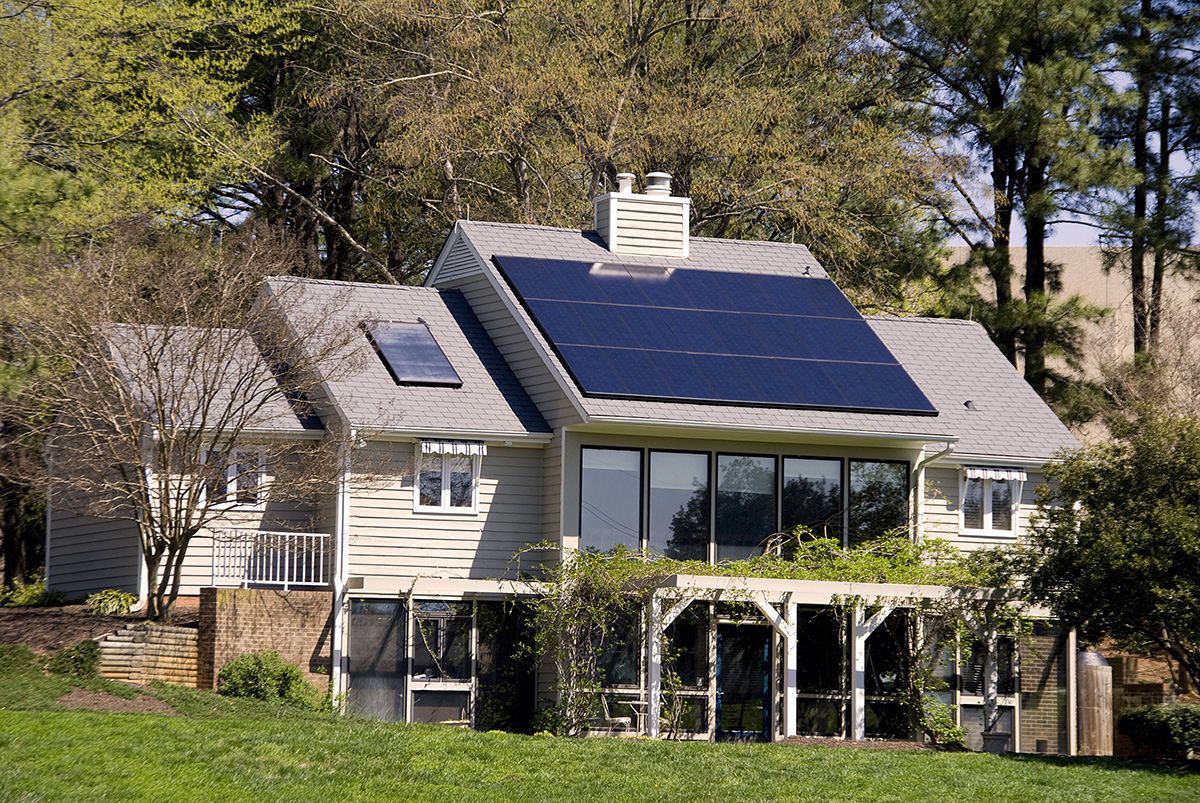
In the ever-evolving landscape of real estate, two groundbreaking trends are shaping the homes of tomorrow: sustainability and smart home technology. As consumers become increasingly aware of their environmental impact and as technology continues to advance at lightning speed, these trends are significantly influencing buying decisions in the residential real estate market.

By |February 25, 2025|Categories: Article, Real Estate, Technology|Tags: , |0 Comments

Harvard Study Projects Dramatic Slowdown in U.S. Household Growth

In a comprehensive analysis by Harvard's Joint Center for Housing Studies, there is a projected increase of 8.6 million households in the United States from 2025 to 2035. This equates to approximately 860,000 new households per year, marking a significant deceleration compared to the post-Great Recession era, which saw a sluggish yet larger gain of 10.1 million households.

By |February 24, 2025|Categories: Article, Demographics, Housing|Tags: , |0 Comments

AI Revolutionizing Real Estate: Predicting Trends and Values

The real estate industry, often seen as conservative, is gradually embracing technological advancements with AI leading the charge. Generative AI is already revolutionizing real estate marketing by enhancing customer experiences and optimizing content creation.

By |February 24, 2025|Categories: Article, Real Estate, Technology/AI|Tags: , |0 Comments

In-Person Work Policies: A Beacon of Hope for Commercial Real Estate

With office occupancy plummeting by 90% from February to March 2020, the impact of remote work was palpable. However, the researchers found that hybrid mandates and adding more in-office days could mitigate some of these challenges.