
The Ethical Maze of AI in Radiography: A Saudi Arabian Perspective

In an era where artificial intelligence (AI) is reshaping the landscape of healthcare, a recent study published in BMC Medical Ethics sheds light on the intricate ethical challenges radiographers face as they navigate AI integration in radiography. Conducted in Saudi Arabia, this cross-sectional study delves into the perspectives of radiographers, revealing a tapestry of enthusiasm and apprehension towards AI’s role in their field.
The research, available on the BMC Medical Ethics website, highlights the transformative opportunities AI presents for diagnostic imaging, alongside the ethical considerations that accompany its adoption. Through a structured questionnaire, radiographers shared their insights on AI’s ethical implications, emphasizing the need for transparency, patient privacy, and the establishment of ethical guidelines.
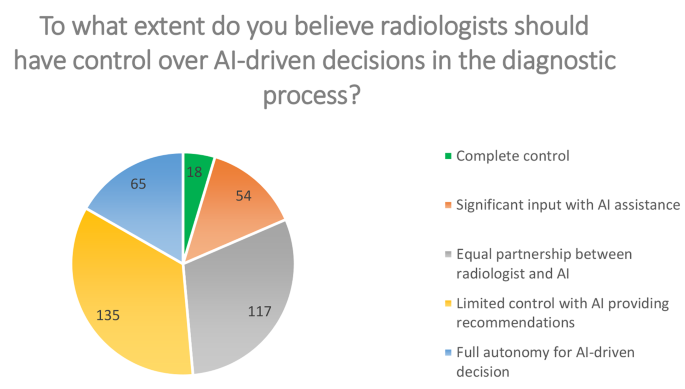
Radiographers' role in ai-driven decisions

Unfamiliar Terrain

The study reveals a significant portion of radiographers are unfamiliar with AI’s integration into their practice, with many expressing uncertainty about the importance of AI transparency. However, a notable number advocate for AI systems that provide justifications for their decision-making processes, highlighting a desire for clarity in AI operations.

Ethical Dilemmas and Patient Privacy

Radiographers voiced concerns about ethical dilemmas that AI might introduce, with nearly half agreeing that AI could exacerbate these challenges. Patient privacy emerged as a critical issue, with a substantial portion of participants expressing apprehension about AI’s impact on confidentiality. These findings underscore the necessity for specific ethical guidelines to govern AI use in radiography.

Guiding the Future

The study calls for the development of robust ethical frameworks, educational improvements, and policy enhancements to ensure AI technologies are implemented safely and ethically. These measures aim to maximize diagnostic benefits while minimizing ethical risks, providing a roadmap for policymakers and practitioners to navigate the evolving AI landscape in healthcare.
For further insights into the study and its implications, visit the BMC Medical Ethics Journal.

CSS Styling

More Articles

Getting licensed or staying ahead in your career can be a journey—but it doesn’t have to be overwhelming. Grab your favorite coffee or tea, take a moment to relax, and browse through our articles. Whether you’re just starting out or renewing your expertise, we’ve got tips, insights, and advice to keep you moving forward. Here’s to your success—one sip and one step at a time!

Beyond the Vocabulary Drill: Jonathan Goforth’s Real Estate Prep

Let’s face it—studying for the real estate exam feels like being force-fed a dictionary while simultaneously dissecting a Sudoku puzzle.

By |January 22, 2025|Categories: Article, Education, Real Estate|Tags: , |0 Comments

Mainstreaming Blockchain: A New Era of Finance

In a world where traditional finance is not just adopting crypto but being fundamentally rebuilt around it, Forbes reports on the seismic shifts reshaping the financial landscape.

By |January 22, 2025|Categories: Article, Finance, Technology|Tags: , |0 Comments

AI in Radiology: Balancing Innovation with Concerns

A recent analysis has shed light on the public's perception of artificial intelligence (AI) in radiology. While the majority of patients are supportive of AI's integration into this field, concerns about data privacy and job displacement remain prevalent.

By |January 21, 2025|Categories: Article, Healthcare, Technology|Tags: , |0 Comments

Predictive Analytics Tools Reshaping Business Landscape by 2025

Predictive analytics tools are not only becoming more sophisticated but also increasingly accessible to both IT professionals and business users alike.

Artificial Intelligence Revolutionizing Healthcare: A New Era of Efficiency and Patient Care

The global healthcare industry is on the brink of a transformative shift, as artificial intelligence (AI) technologies are poised to revolutionize patient care and operational efficiency.