The Future of Real Estate Market: What Lies Ahead?
The real estate market is on the brink of transformation, captivating the attention of buyers, sellers, investors, and industry professionals. As we look toward the end of 2024, experts predict a shift in the landscape, particularly with home prices expected to decline due to increased inventory levels.
One of the driving forces behind this shift is the anticipated stabilization or reduction of mortgage rates, which will make home ownership more accessible. Additionally, a push for eco-friendly homes and the integration of advanced technologies is set to reshape the market.
Key Insights from Expert Forecasts
Economic Conditions and Housing Affordability:Housing affordability remains a central concern. A report by Bankrate highlights that high prices and mortgage rates currently hinder many potential buyers. However, with expected price decreases and mortgage rates dropping to around 6.6% by late 2024, purchasing power is likely to improve.
Shift in Supply and Demand Dynamics: The real estate market is predicted to experience a rise in new homes, particularly in suburban and rural areas. This surge in supply is expected to balance market conditions, allowing buyers to choose from a wider selection of properties, as noted in U.S. News.
The Role of Technology:Technological advancements, such as virtual reality tours and blockchain for transactions, are expected to streamline real estate processes. PwC remarks these innovations will enhance transaction efficiency and user experience.
Emphasis on Sustainability: There is a growing trend toward sustainable living, with buyers increasingly favoring eco-friendly developments, as remarked by the Global Wellness Institute. This trend may encourage more developers to incorporate sustainable features in their projects.
Changes in Residential Preferences: Remote work is influencing residential choices, with individuals opting for suburban or rural areas renowned for lower living costs and higher quality of life, as outlined by Business Insider.
Impact of Changing Demographics: The market is being shaped by Millennials and Gen Z, who prioritize community features in potential neighborhoods, informed by the National Association of Realtors.
Conclusion
As we approach 2024 and beyond, the real estate market is poised for transformative changes driven by economic factors, technological advancements, and evolving consumer preferences. These developments necessitate strategic adaptation by all market participants—buyers, sellers, and investors alike—to thrive in this evolving landscape.
More Articles
Getting licensed or staying ahead in your career can be a journey—but it doesn’t have to be overwhelming. Grab your favorite coffee or tea, take a moment to relax, and browse through our articles. Whether you’re just starting out or renewing your expertise, we’ve got tips, insights, and advice to keep you moving forward. Here’s to your success—one sip and one step at a time!
Among the bustling cities, New York, NY, stands out, capturing 3.4% of the total online traffic. This is followed by Dallas, TX (2.7%), Chicago, IL (2.6%), Miami, FL (2.5%), and Tampa, FL (1.9%). These cities have emerged as hotspots for prospective homebuyers, reflecting a high level of interest and potential market growth.
In a significant move to bolster consumer protections in the mortgage sector, Texas has enacted new regulations aimed at enhancing transparency and accountability among mortgage lenders and servicers.
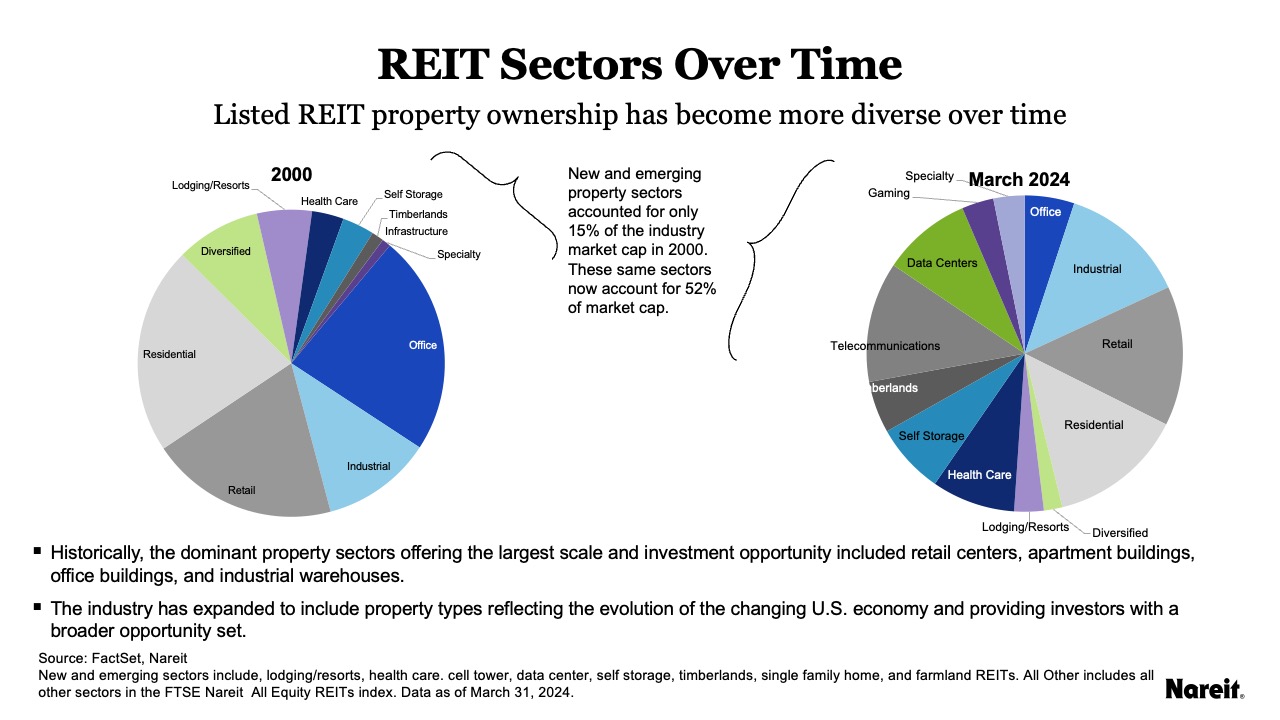
In the world of retirement planning, the integration of underrepresented asset classes into defined contribution (DC) plans is gaining momentum. For decades, defined benefit (DB) pension plans have successfully leveraged real estate within their investment portfolios. Now, DC plans are following suit, largely through the use of Real Estate Investment Trusts (REITs).
REITs have democratized real estate investment, allowing individuals to invest in diverse property portfolios with the same ease as purchasing stocks. The beauty of REITs lies in their ability to transform traditionally illiquid assets into liquid ones, offering investors both liquidity and diversification.
As economic uncertainty continues to cast a shadow over global markets, investors are increasingly seeking strategies to safeguard and grow their wealth.
In a bold move set to transform the real estate sector, EstateSlice NFT is leveraging blockchain technology to break down traditional barriers to property investment.