On May 18, 2025, the House Budget Committee gave its nod to a significant piece of legislation known as “The One, Big, Beautiful Bill.” This bill, poised for revision by the House Rules Committee, is gearing up for a vote on the House floor. It represents a sweeping continuation and expansion of the 2017 Tax Cuts and Jobs Act, introducing a myriad of new provisions aimed at reshaping the tax landscape for businesses, individuals, and tax-exempt organizations alike.


Business Provisions

The House Bill extends several key business provisions. Notably, the definition of “adjusted taxable income” under section 163(j) will be based on EBITDA from 2025 to 2028, a move that is favorable to taxpayers. The deduction for qualified business income under Section 199A is increased to 23%, and the global intangible low-taxed income (GILTI) provisions are made permanent at a 10.5% rate. Additionally, the base-erosion and anti-abuse tax (BEAT) is set to remain at 10.5% permanently.


Other notable business provisions include the reestablishment of Opportunity Zones for 2027 through 2033, with a focus on rural areas, and the limitation of amortization deductions for sports franchises to 50% of the adjusted tax basis.


Tax-Exempt Provisions

For tax-exempt organizations, the bill proposes an increased excise tax on private university endowments and private foundations. The current 1.4% excise tax on net investment income of private colleges is replaced with a tiered system, with rates reaching as high as 21% for institutions with significant endowments. Private foundations face a similar tiered excise tax system based on asset size.


Individual Provisions

Individuals will see the maximum ordinary income tax rate of 37% made permanent. The standard deduction is increased for various filing statuses from 2025 to 2028. The bill also proposes the permanent repeal of the personal exemption and adjustments to itemized deduction limits.


Additionally, the bill introduces the concept of “MAGA” accounts, tax-exempt trust accounts for U.S. citizens under 18, with a one-time $1,000 federal credit for eligible children born between 2025 and 2028.


For a detailed breakdown of these provisions, refer to the original article on Tax Talks. This comprehensive analysis explores the implications of the bill across various sectors, providing insights into its potential impact on the economic landscape.


More Articles

Getting licensed or staying ahead in your career can be a journey—but it doesn’t have to be overwhelming. Grab your favorite coffee or tea, take a moment to relax, and browse through our articles. Whether you’re just starting out or renewing your expertise, we’ve got tips, insights, and advice to keep you moving forward. Here’s to your success—one sip and one step at a time!

AI in Medical Diagnosis: Revolutionizing Healthcare Standards

"AI and machine learning are emerging as powerful technologies to address this issue, improving the accuracy of medical diagnosis and revolutionizing healthcare with their myriad applications."

AI in Breast Imaging Market Set for Explosive Growth

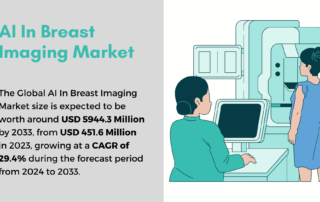
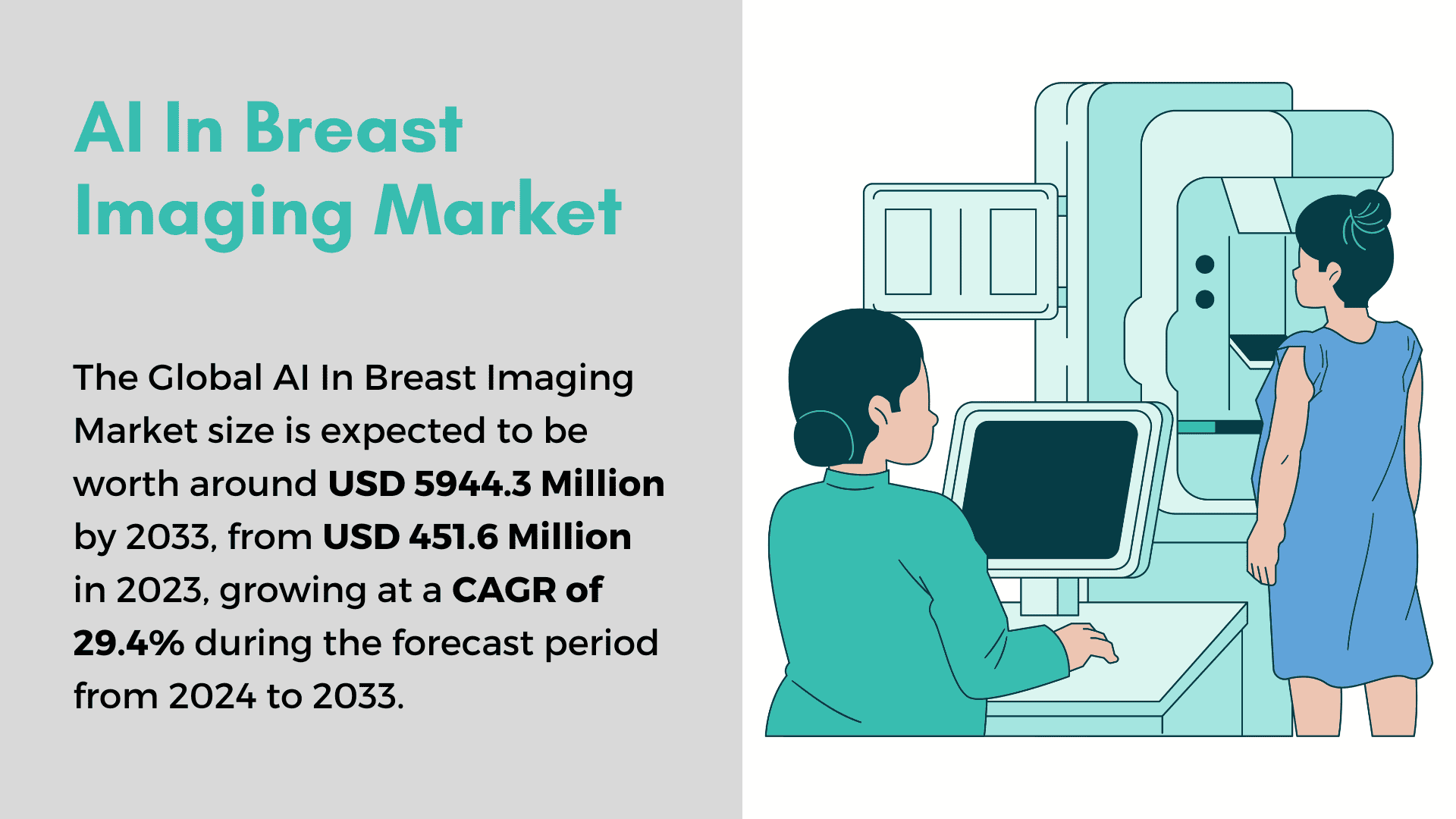
The global AI in breast imaging market is on a remarkable growth trajectory, projected to swell from USD 451.6 million in 2023 to an impressive USD 5944.3 million by 2033. This represents a compound annual growth rate (CAGR) of 29.4%, primarily driven by cutting-edge advancements in AI technologies that significantly enhance diagnostic accuracy, facilitate early detection, and boost healthcare efficiency.

Virtual Real Estate: Navigating Investments in Metaverse Platforms

Virtual real estate in metaverses is becoming a focal point for investors worldwide, with digital plots of land mirroring traditional real estate value based on location, size, and platform popularity.

The Transformative Power of AI in In-Vitro Diagnostics

Artificial intelligence (AI) and machine learning are at the forefront of revolutionizing in-vitro diagnostic (IVD) tools, redefining diagnostics and enhancing healthcare outcomes on multiple fronts.

The Future of Life Sciences: A Vision for 2030

As we edge closer to 2030, the life sciences industry stands on the threshold of transformative changes. With a global valuation exceeding $2 trillion, the sector is poised for significant growth, driven by technological advancements and an aging population.

Telehealth: A Boon for Patients, A Challenge for Rural Hospitals

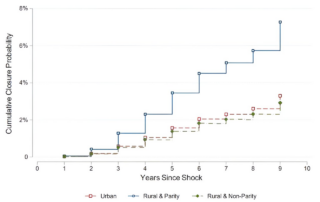
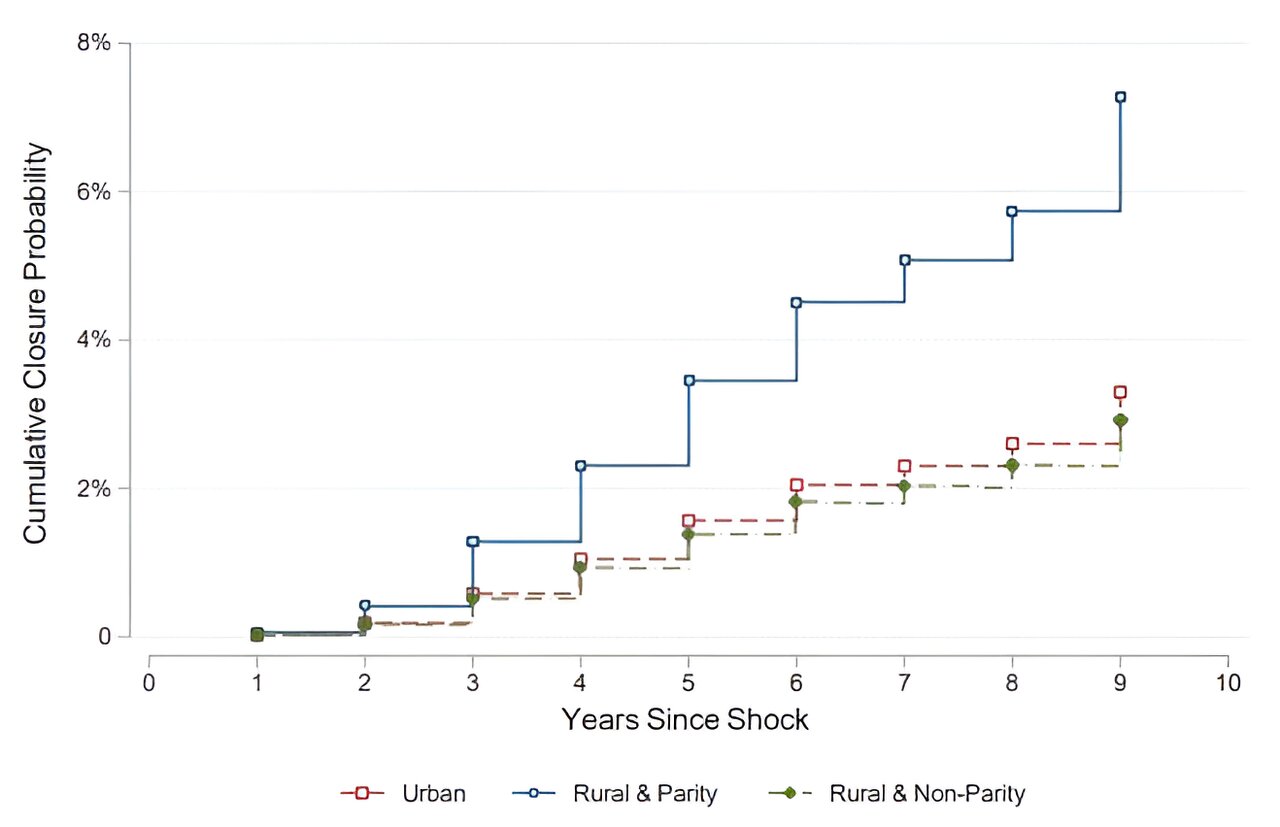
The advent of telehealth has revolutionized the way patients, particularly those in rural areas, access health care. By offering remote consultations and follow-up care, telehealth provides a convenient alternative to traveling long distances to urban hospitals. However, this technological advancement brings with it a set of challenges that could reshape the rural health care landscape.

By |December 20, 2024|Categories: Article, Health/Medicine, Technology|Tags: , |0 Comments