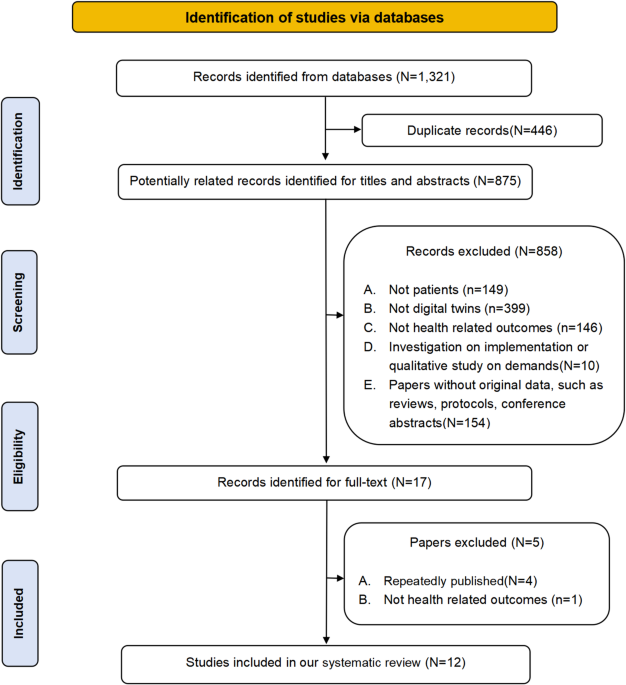
 Digital twins, essentially virtual replicas of human bodies, utilize real-time data to provide dynamic and individualized healthcare solutions. This technology marks a significant departure from conventional medical practices, which often employ a one-size-fits-all approach. Instead, digital twins offer tailored recommendations and interventions, thereby enhancing the precision and efficacy of healthcare delivery.

Navigating the Future: AI and the Transformation of Investment Management in 2025
In the fast-paced world of investment management, 2025 promises to be a year of both elevated risks and outsized opportunities.

Getting licensed or staying ahead in your career can be a journey—but it doesn’t have to be overwhelming. Grab your favorite coffee or tea, take a moment to relax, and browse through our articles. Whether you’re just starting out or renewing your expertise, we’ve got tips, insights, and advice to keep you moving forward. Here’s to your success—one sip and one step at a time!
In the fast-paced world of investment management, 2025 promises to be a year of both elevated risks and outsized opportunities.
In the ever-evolving landscape of real estate, a paradigm shift is underway, positioning customer experience (CX) and brand loyalty at the forefront of innovation.
The Congressional Budget Office (CBO) has released a comprehensive report on the outlook for housing starts over the next 30 years, highlighting the critical role of population growth and demographic shifts in shaping the future of housing construction in the United States.
The AEC/O industry is on the cusp of a seismic transformation, driven by the integration of advanced technologies and innovative practices. As outlined in a recent article by Nemetschek, 2025 is set to be a landmark year, with significant shifts in workflows, sustainability priorities, and collaboration methods.
In the ever-evolving world of commercial real estate, 2025 is shaping up to be a year of significant transformation.
As we look towards 2025, the housing market continues to be a topic of great interest and speculation.