In the ever-evolving landscape of financial innovation, fintech stands as a beacon of transformative change. Drawing from a recent article by Business.com, fintech is redefining the financial industry by leveraging modern technology and cloud services, stepping away from traditional physical infrastructures.


The fintech revolution is rooted in its ability to disrupt outdated legacy systems. By employing inventive strategies, fintech companies are empowering financial institutions to rethink data management and service delivery. This shift is not just about technology; it’s about creating a more efficient, cost-effective, and accessible financial ecosystem.


Why Fintech is Flourishing

The rapid growth of the fintech industry can be attributed to several key factors:

  • Legacy System Limitations: Many financial institutions are burdened with outdated systems. Fintech provides a fresh approach, utilizing big data and cloud-based solutions to streamline operations.
  • Increasing Competition: New regulations and investor capital have leveled the playing field, encouraging innovation and differentiation.
  • Shifting Customer Demands: Today’s consumers seek convenience and speed, prompting financial services to adopt a customer-centric approach.

Fintech’s Impact Across Industries

Fintech’s influence is pervasive, touching various sectors:

  • Payment Processing: Companies like PayPal and Square have revolutionized how transactions are conducted, ensuring they are seamless and secure.
  • Alternative Lending: Services such as Buy Now Pay Later (BNPL) have made lending more accessible, particularly for younger consumers.
  • Investing: Robo-advisors like Betterment and Wealthfront are democratizing investment opportunities.
  • Cryptocurrency: Platforms like Coinbase and Binance are at the forefront of digital currency trading.

The Future of Fintech

Looking ahead, fintech is poised to continue its upward trajectory. The industry is expected to play a crucial role in enhancing financial literacy, promoting inclusivity, and refining customer experiences. The integration of fintech solutions in areas like wealth management, insurance, and regulatory compliance is set to deepen, paving the way for a more interconnected and efficient financial landscape.


For a comprehensive understanding of fintech’s impact and future, the Business.com article offers an insightful analysis, drawing on forecasts from Statista and others, painting a vivid picture of the digital economy’s evolution.

More Articles

Getting licensed or staying ahead in your career can be a journey—but it doesn’t have to be overwhelming. Grab your favorite coffee or tea, take a moment to relax, and browse through our articles. Whether you’re just starting out or renewing your expertise, we’ve got tips, insights, and advice to keep you moving forward. Here’s to your success—one sip and one step at a time!

Unlocking Real Estate Wealth in 2025: Strategies for Success

Step into 2025, where the real estate market emerges as a resilient beacon amidst economic unpredictability. Investors are increasingly drawn to secondary cities like Austin and Manchester, attracted by their growth potential, affordability, and enhanced quality of life.

By |February 18, 2025|Categories: Article, Investment Strategies, Real Estate|Tags: , |0 Comments

AI and Urbanization Drive Home Services Market Growth

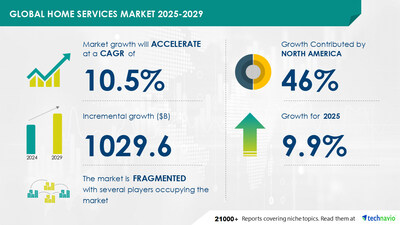
The global home services market is poised for significant growth, with projections indicating an increase of USD 1.03 trillion from 2025 to 2029. This forecasted expansion is attributed to increasing urbanization and the transformative impact of AI on market trends, according to a recent report by Technavio.

Decoding the U.S. Housing Crisis: A Study of Historic Policy Missteps and Demographic Shift

In a revealing study by USC, the roots of the current housing crisis in the United States are traced back to policy missteps and demographic changes that have been unfolding since the early 2000s. The study highlights how these factors have left millennials and people of color disproportionately affected.

Best Real Estate Crowdfunding Platforms for February 2025: Investopedia’s Top Picks

Fundrise stands out for offering investors a chance to diversify their portfolios with real estate exposure through proprietary funds. With a minimum investment as low as $10, it opens doors to beginners and seasoned investors alike.

Top Real Estate Investment Apps of 2025: A Guide for First-Time and Experienced Investors

Business Insider has reviewed a range of platforms available in 2025, focusing on key factors like fees, accessibility for accredited vs. non-accredited investors, and the types of real estate investments offered.