In the unpredictable world of investing, where market volatility can feel like a roller coaster ride, focusing on proven, diversified investments is more crucial than ever. With recent market reactions to tariffs and recession fears, investors are seeking stability amidst the chaos. The article from NerdWallet provides a comprehensive guide to the 10 best investments for 2025, emphasizing the importance of diversification and long-term strategy.

The article outlines a range of investment options, typically ordered from lowest to highest risk. These include high-yield savings accounts, certificates of deposit, government and corporate bonds, money market funds, mutual funds, index funds, ETFs, and stocks. Each investment type offers a unique risk and return profile, catering to different investor preferences and goals.

High-Yield Savings Accounts are highlighted as a low-risk option, particularly appealing for those with short-term goals or a low tolerance for market volatility. Though not technically an investment, the high rates offered by online savings accounts make them an attractive choice for 2025. For those interested, NerdWallet provides a list of the best brokerage accounts offering high interest rates.

Certificates of Deposit (CDs) are another low-risk option, offering a fixed interest rate for a defined period. CDs are ideal for funds needed at a fixed date in the future, such as a home down payment or wedding. However, early withdrawal typically incurs a fee, so it’s best to invest money that won’t be needed soon.

Government Bonds, described as virtually risk-free, provide a steady stream of payments, making them suitable for conservative investors seeking less volatility. However, the trade-off is a lower return compared to other investment types.

Corporate Bonds offer higher yields than government bonds but come with increased risk, as they are not backed by the government. Investors must balance the risk/return profile to suit their preferences.

Money Market Funds provide a slightly riskier option, investing in high-quality, short-term debt. They are suitable for money that may be needed soon but can tolerate a little market risk.

Mutual Funds and Index Funds offer diversified exposure to the stock market, making them ideal for long-term savings goals. Mutual funds are actively managed, while index funds aim to match the performance of a specific market index, offering lower management fees and less volatility.

Exchange-Traded Funds (ETFs) are similar to mutual funds but are traded like stocks, providing a diversified investment option with potentially lower entry costs.

Stocks and Dividend Stocks represent a higher-risk, higher-return investment. Stocks offer ownership in a company, while dividend stocks provide regular cash payments, appealing to investors seeking both growth and income.

For those ready to start investing, a brokerage account is essential. NerdWallet offers a curated list of the best brokerage accounts to help investors find the right fit.

In conclusion, the key to navigating market volatility lies in focusing on diversified, long-term investments. By understanding the risk and return profiles of different investment options, investors can make informed decisions that align with their financial goals.

More Articles

Getting licensed or staying ahead in your career can be a journey—but it doesn’t have to be overwhelming. Grab your favorite coffee or tea, take a moment to relax, and browse through our articles. Whether you’re just starting out or renewing your expertise, we’ve got tips, insights, and advice to keep you moving forward. Here’s to your success—one sip and one step at a time!

2025 Commercial Real Estate Outlook: Navigating a New Era

The commercial real estate landscape is on the brink of transformation as leaders seek to navigate the challenges of recent years and position their organizations for future opportunities.

The Emerging Mental Health Crisis Among Healthcare Workers During the COVID-19 Pandemic

The pandemic has ushered in a wave of mental health challenges that affect healthcare workers profoundly. From the onset of COVID-19, these professionals have been at the forefront, facing immense pressure, long hours, and the constant fear of exposure.

By |December 18, 2024|Categories: Article, Healthcare Workers, Mental Health|Tags: , |0 Comments

Ethical Concerns of Large Language Models in Healthcare

Exploring the dual nature of LLMs offers substantial benefits in healthcare but also raises significant ethical concerns, underscoring the need for well-defined guidelines and human oversight.

The Role of Wearable Devices in Chronic Disease Monitoring and Patient Care: A Comprehensive Review

Wearable devices have become integral in managing chronic conditions by providing continuous health data, empowering patients and healthcare professionals with insights that were previously unattainable.

AI Training Mandates: Navigating Legal Waters in Dentistry

The integration of artificial intelligence (AI) into dental practices is more than a technological trend; it represents a seismic shift in the industry. This transformation is reshaping skill sets and prompting a thorough examination of legal and ethical implications.

By |December 17, 2024|Categories: Article, Legal, Technology|Tags: , |0 Comments

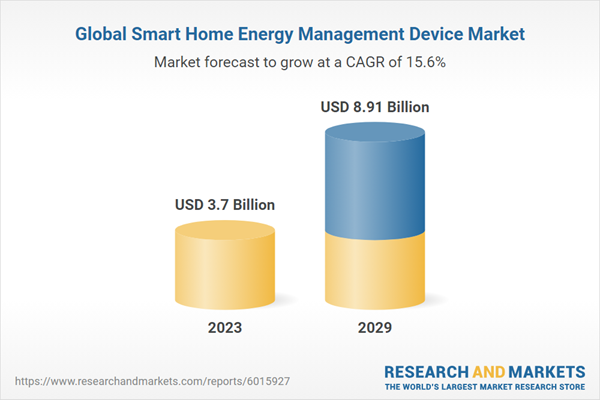
Smart Home Energy Management Devices: A Market Poised for Growth

The Global Smart Home Energy Management Device Market is on the brink of a significant transformation, driven by escalating demands for energy-efficient solutions and the increasing adoption of smart home technologies.