In the rapidly evolving landscape of real estate, technology is reshaping the way we buy, sell, and manage properties. Once reliant on traditional methods, the industry now embraces cutting-edge innovations like artificial intelligence and computer vision.

Zillow’s Zestimate tool is a prime example of this digital transformation. Initially launched in 2006, this tool has drastically improved its accuracy over the years. By incorporating traditional real estate metrics alongside advanced technologies, such as computer vision, it offers a median error rate just above 3 percent. This is a significant leap from its early days when the error rate hovered around 14 percent.

The influence of AI in real estate extends beyond Zillow. As AI technology matures, more automated valuation models (AVMs) are emerging, offering new ways to appraise properties. This shift is not just about valuation; it’s about transforming the entire real estate transaction process.

Redfin, another leader in real estate tech, introduced its “Instant Updates” feature over a decade ago. This tool has revolutionized how prospective buyers receive notifications about new listings and price changes. According to Jen Chao, Vice President of Engineering at Redfin, “We can notify our customers faster than anybody else,” ensuring they are the first to know about market changes.

The concept of iBuying further exemplifies the industry’s pivot towards immediacy. Platforms like Opendoor have made selling homes akin to trading cars, offering cash offers and quick sales. This model, while currently a small portion of the market, is expected to grow significantly.

As we look to the future, the real estate sector is poised for even more transformation. Companies like Redfin and Zillow are leading the charge, but they are not alone. The industry is becoming a tapestry of tech-driven companies, each contributing to a more efficient, transparent, and user-friendly market.

For a deeper dive into these trends and to explore the companies shaping the future of real estate, you can read the full article on Built In.

More Articles

Getting licensed or staying ahead in your career can be a journey—but it doesn’t have to be overwhelming. Grab your favorite coffee or tea, take a moment to relax, and browse through our articles. Whether you’re just starting out or renewing your expertise, we’ve got tips, insights, and advice to keep you moving forward. Here’s to your success—one sip and one step at a time!

AI Transforming Health Care: Bridging Academic and Clinical Practices

Artificial intelligence (AI) is revolutionizing diagnostics, treatment, and patient care, with significant advancements particularly noted in fields like radiology and oncology.

AI Revolutionizes Cancer Diagnostics

AI tools are now being leveraged to analyze images and tissue samples, offering insights that surpass traditional methods. AI's integration into healthcare, particularly in oncology, marks a significant shift towards precision medicine.

By |November 19, 2024|Categories: Article, Healthcare, Technology|Tags: , |0 Comments

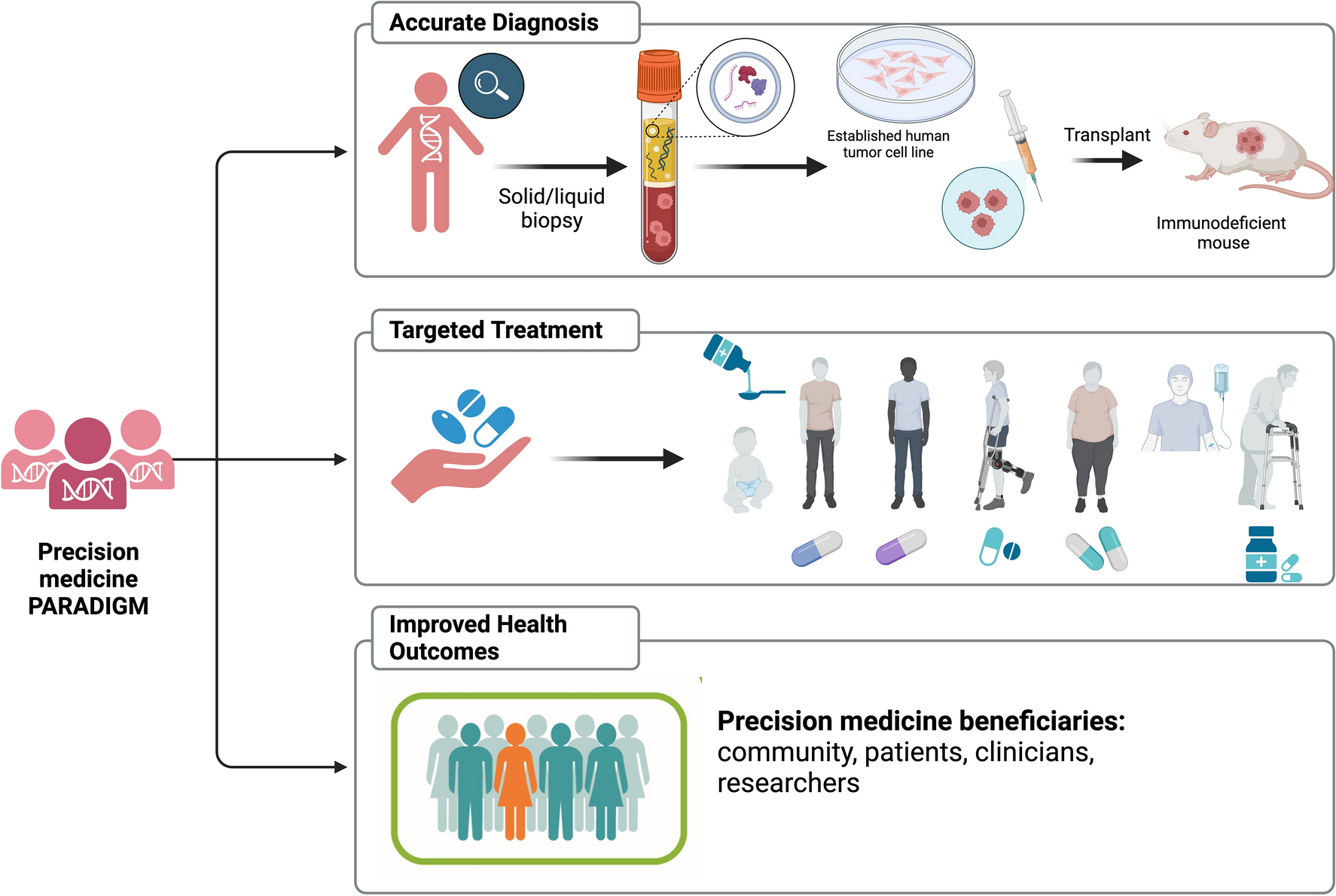
AI in Precision Medicine: Navigating Challenges and Embracing Opportunities

AI's potential to revolutionize healthcare lies in its ability to process vast amounts of data, uncover hidden patterns, and support clinical decision-making. It is particularly promising in the realms of drug development and clinical practice, where it can streamline processes, reduce costs, and improve patient experiences.

The Expanding Role of Telehealth in Nursing

Nurses, the unsung heroes on the front lines of patient care, are increasingly embracing telehealth technology as a core component of their roles. Telehealth offers a transformative opportunity to enhance patient outcomes and broaden access to healthcare. This shift is particularly pertinent in the face of an aging population and ongoing nursing shortages.

By |November 19, 2024|Categories: Article, Nursing, Telehealth|Tags: , |0 Comments

AI Revolutionizing Healthcare: From Diagnostics to Pandemics

AI enhances the ability to interpret medical images such as X-rays and MRIs, often surpassing human accuracy. By identifying patterns that even seasoned professionals might miss, AI complements human expertise, improving diagnostic precision.


By |November 18, 2024|Categories: Article, Healthcare, Technology|Tags: , |0 Comments