In a world where traditional real estate investment often feels out of reach, the advent of online platforms has opened new doors for retail investors. These platforms offer a gateway to the lucrative world of real estate without the cumbersome responsibilities of property management. Business Insider’s recent article, “Best Real Estate Investing Apps of June 2025”, shines a spotlight on the most promising apps for this year, making real estate investment more accessible than ever before.
With the rise of passive investment strategies such as REITs and crowdfunding, these apps cater to both seasoned investors and novices alike. The article, penned by Tessa Campbell and reviewed by Elias Shaya, highlights the top apps that stand out in 2025 for their user-friendly interfaces and robust investment options.
Leading the Charge: Top Real Estate Investment Apps
Among the apps mentioned, RealtyMogul takes the crown for its comprehensive offerings, allowing both accredited and non-accredited investors to dive into the world of real estate. With a minimum investment of $5,000, it offers pre-vetted public and non-traded REITs, providing a solid foundation for generating passive income.
For beginners, Fundrise emerges as a top choice with its low $10 minimum investment and a variety of plans tailored for different financial goals. The app’s low fees and accessibility make it an attractive option for those just starting their investment journey.
Alternative and Short-Term Investments
In the realm of alternative asset classes, Yieldstreet stands out, offering a diverse range of investment opportunities from real estate to private equity. Meanwhile, Groundfloor caters to those seeking short-term investments, with terms ranging from 30 days to 36 months.
For the Experienced Investor
Seasoned investors might find CrowdStreet appealing. Known for its transparency and in-depth information on commercial real estate opportunities, it requires a minimum investment of $25,000 and is exclusively for accredited investors.
Understanding the Risks and Rewards
As the article points out, while these platforms make real estate investment more accessible, they are not without risks. Potential investors should be wary of quick, uninformed decision-making, as the convenience of these apps might lead to hasty investments without thorough research.
For those looking to diversify their portfolios and explore new investment avenues, these apps present a compelling opportunity. However, as with any investment, due diligence and understanding one’s financial goals and risk tolerance are paramount.
For more detailed insights, you can read the full article on Business Insider’s website here.
“`
More Articles
Getting licensed or staying ahead in your career can be a journey—but it doesn’t have to be overwhelming. Grab your favorite coffee or tea, take a moment to relax, and browse through our articles. Whether you’re just starting out or renewing your expertise, we’ve got tips, insights, and advice to keep you moving forward. Here’s to your success—one sip and one step at a time!
A federal judge has denied class‑certification in the high‑stakes Batton commission lawsuit, delivering a temporary win for NAR and major brokerages while leaving the door open for plaintiffs to try again. With as much as $3.6 billion in potential damages on the line and nearly 80% of the proposed class now disqualified due to conflicts with earlier settlements, the case stands at a pivotal moment. Real estate professionals nationwide — especially in Florida — should watch closely, as the ruling could shape the future of buyer‑agent compensation.
Florida homeowners are paying nearly double the national average for insurance, with premiums now reaching $5,838 a year and denied claims topping 40 percent. Residents report tripled rates, underpaid claims, and mounting financial strain, pushing lawmakers in Tallahassee to propose caps on rate hikes, tax breaks for storm‑proof upgrades, and tighter oversight of insurers. These developments are reshaping real estate and insurance conversations across the state as professionals brace for major industry shifts.
Berkshire County closed Q3 2025 with strong momentum as sales, dollar volume, and buyer competition all climbed year‑over‑year. Inventory showed slight improvement but remains far below demand, keeping the market tilted toward sellers. Single‑family homes and condos led the surge, while multifamily, land, and commercial sectors showed mixed performance. The region continues to stand out as one of New England’s most resilient real estate markets heading into 2026.
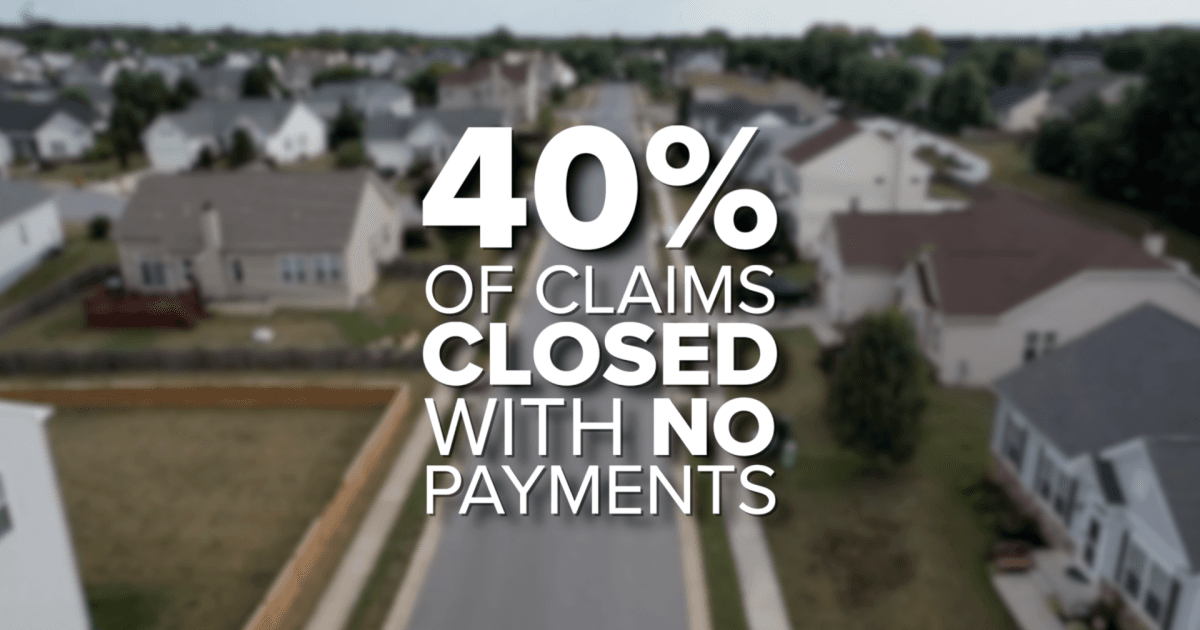
Florida homeowners now face the highest insurance burdens in the nation, with average premiums topping $5,800 per year—roughly $3,000 above the national average. As rates triple for some residents, more Floridians are skipping coverage altogether, while denied claims and slow payouts add to the frustration. With over 40 percent of claims closing with no payment and lawmakers battling over reform in Tallahassee, the crisis is reshaping budgets, homebuying decisions, and the real estate industry statewide.
Global capital is surging back into real estate—and this time, investors want more control. Colliers’ 2026 Global Investor Outlook reveals a major shift toward direct investments, joint ventures, and hands‑on strategies as money moves across North America, Europe, and the booming Asia‑Pacific markets. Data centers are now the top‑funded asset class, offices are staging a comeback, and adaptive reuse is reshaping cities worldwide. For real estate and finance professionals, the message is clear: opportunity is accelerating, and those with the right education and licensing will be at the center of the action.
The Fed’s recent rate cuts should have offered relief to commercial real estate—but long-term borrowing costs haven’t budged. While short‑term rates are falling, stubborn long‑term yields, broken deal math, and a trillion‑dollar refinancing wave are keeping the market frozen. For investors and professionals across Florida and the nation, understanding this disconnect is key to navigating the opportunities and risks emerging in today’s shifting CRE landscape.