As the automotive industry experiences a digital revolution, vehicle-to-everything (V2X) technology emerges as a cornerstone for a smarter, safer, and more efficient transportation future. This technology enables seamless communication between vehicles, pedestrians, and infrastructure, transforming a vision once confined to science fiction into a tangible reality.
The potential of V2X technology is immense. It promises to revolutionize traffic management by optimizing signal timings at intersections, thereby reducing congestion and emissions. More crucially, it can enhance emergency response times by allowing vehicles to clear pathways for ambulances through preemptive alerts, moving beyond the reliance on visual sirens.
However, deploying V2X technology on a large scale presents formidable challenges. The technical challenges include ensuring low-latency and high-reliability communications, which are critical for safety applications where split-second decisions are vital. Comprehensive testing to mimic urban environments with high interference is indispensable.
Equally important are the environmental challenges. V2X systems must remain reliable under diverse conditions, necessitating rigorous testing across various scenarios, such as adverse weather and unexpected driving patterns. Additionally, the regulatory challenges of adhering to different standards and guidelines globally add complexity to the deployment process.
To address these issues, DXC Luxoft has developed an extensive testing framework to ensure that V2X systems are robust, secure, and compliant with international standards. Their System Test & Validation team focuses on creating a cohesive testing strategy that addresses latency, reliability, and environmental factors, positioning the technology for global deployment. Collaboration with OEMs and suppliers ensures continuous improvement and alignment with industry standards, setting a benchmark for innovation.
V2X technology stands at the brink of transforming transportation systems, promising a smarter, more connected world. With dedicated efforts by industry leaders like DXC Luxoft, the potential of V2X is being realized through rigorous testing and validation, creating a pathway to safer roads and enhanced user experiences.
About the Author
For more insights into the transformative power of V2X technology, visit the original article here.
More Articles
Getting licensed or staying ahead in your career can be a journey—but it doesn’t have to be overwhelming. Grab your favorite coffee or tea, take a moment to relax, and browse through our articles. Whether you’re just starting out or renewing your expertise, we’ve got tips, insights, and advice to keep you moving forward. Here’s to your success—one sip and one step at a time!
"AI and machine learning are emerging as powerful technologies to address this issue, improving the accuracy of medical diagnosis and revolutionizing healthcare with their myriad applications."
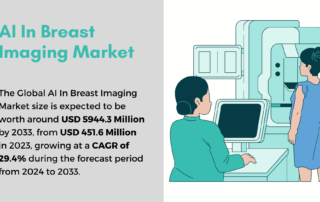
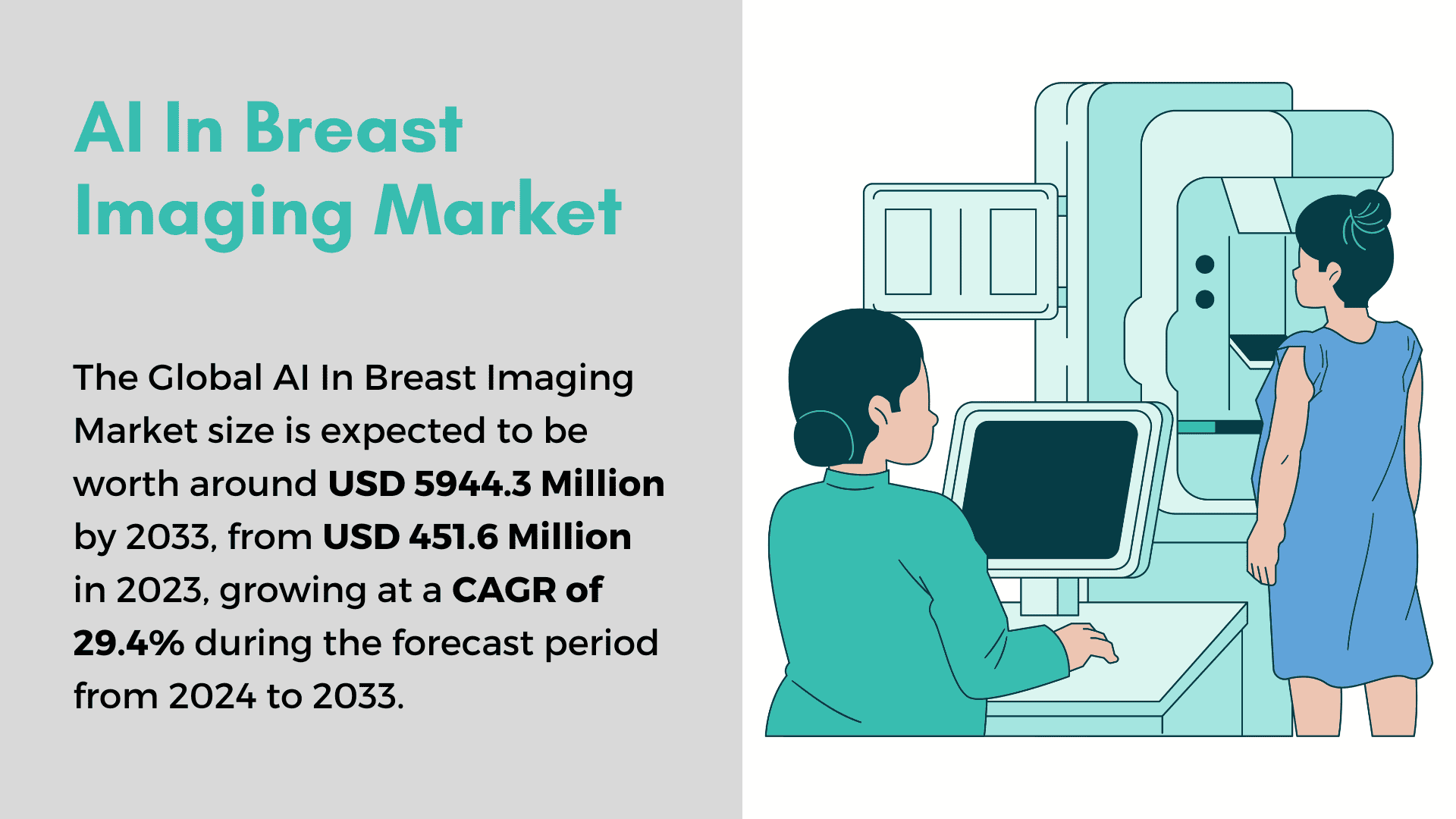
The global AI in breast imaging market is on a remarkable growth trajectory, projected to swell from USD 451.6 million in 2023 to an impressive USD 5944.3 million by 2033. This represents a compound annual growth rate (CAGR) of 29.4%, primarily driven by cutting-edge advancements in AI technologies that significantly enhance diagnostic accuracy, facilitate early detection, and boost healthcare efficiency.
Virtual real estate in metaverses is becoming a focal point for investors worldwide, with digital plots of land mirroring traditional real estate value based on location, size, and platform popularity.
Artificial intelligence (AI) and machine learning are at the forefront of revolutionizing in-vitro diagnostic (IVD) tools, redefining diagnostics and enhancing healthcare outcomes on multiple fronts.
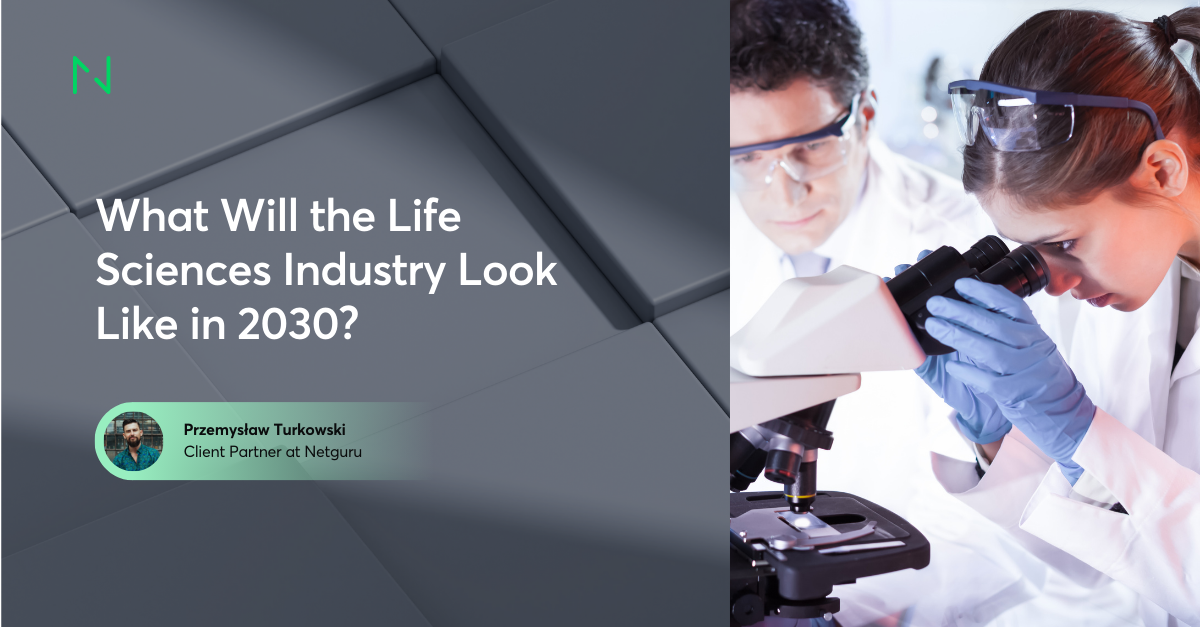
As we edge closer to 2030, the life sciences industry stands on the threshold of transformative changes. With a global valuation exceeding $2 trillion, the sector is poised for significant growth, driven by technological advancements and an aging population.
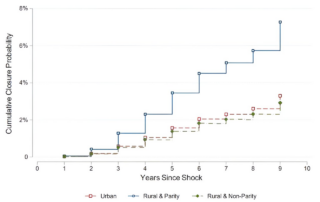
The advent of telehealth has revolutionized the way patients, particularly those in rural areas, access health care. By offering remote consultations and follow-up care, telehealth provides a convenient alternative to traveling long distances to urban hospitals. However, this technological advancement brings with it a set of challenges that could reshape the rural health care landscape.