In the rapidly evolving landscape of digital investments, virtual real estate in metaverses is becoming a focal point for investors worldwide. The concept, while seemingly futuristic, is gaining traction as individuals and corporations alike are purchasing digital plots of land, akin to traditional real estate, within these expansive virtual worlds. The value of these digital assets is determined by factors such as location, size, and the popularity of the platform.
Exploring the Metaverse Investment Potential
Among the various platforms available, Decentraland, The Sandbox, and Holiverse are leading the charge. Each offers unique opportunities for investors to diversify their virtual portfolios. Decentraland stands out for its vibrant community and impressive growth, while The Sandbox has attracted attention with high-profile collaborations, including a landmark sale next to Snoop Dogg’s virtual mansion.
Holiverse, however, is making waves with its innovative approach to digital interaction. The platform has notably partnered with Dr. Dmitry Chebanov to integrate DNA avatar technology, allowing users to create digital prototypes based on genetic codes. This collaboration opens new doors in personalized medicine, offering potential for safer and more effective therapeutic practices.
The Influence of Celebrities and Corporations
The allure of virtual real estate is further amplified by the involvement of celebrities and major brands. Snoop Dogg’s creation of the “Snoop Verse” in The Sandbox and Ariana Grande’s concert in Fortnite highlight the entertainment potential of these digital spaces. Meanwhile, corporations like JP Morgan and Warner Music Group are establishing a presence in metaverses, signaling a growing acceptance and recognition of virtual real estate’s value.
Market Growth and Challenges
The virtual real estate market is on an upward trajectory, with projections indicating an increase from $1.14 billion in 2022 to $15.7 billion by 2030. North America currently leads this market, but the Asia Pacific region is expected to experience the fastest growth, driven by advancements in VR and AR technologies.
However, challenges persist. Cybersecurity remains a major concern as the value of virtual assets rises, and regulatory frameworks are still in development, posing potential risks for investors. Despite these hurdles, the future of virtual real estate looks promising, with continuous innovations in metaverse technologies paving the way for new investment opportunities.
For more insights, you can refer to the original article at e-architect.
More Articles
Getting licensed or staying ahead in your career can be a journey—but it doesn’t have to be overwhelming. Grab your favorite coffee or tea, take a moment to relax, and browse through our articles. Whether you’re just starting out or renewing your expertise, we’ve got tips, insights, and advice to keep you moving forward. Here’s to your success—one sip and one step at a time!
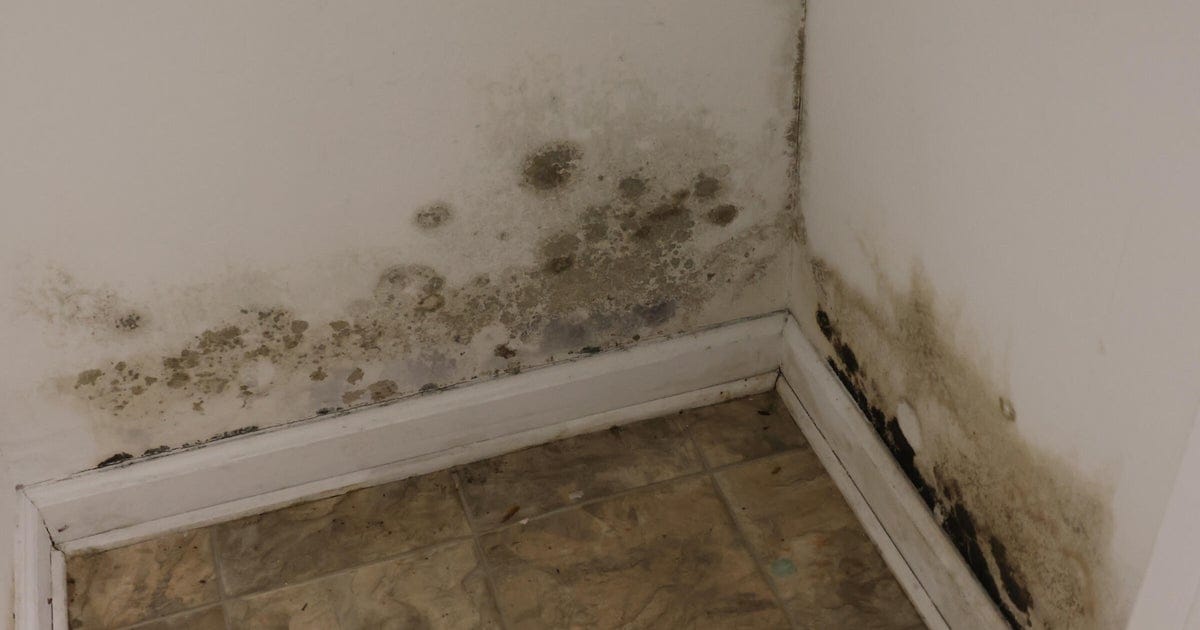
Extreme storms are triggering a surge in hidden mold growth across nearly half of U.S. homes, creating a growing health and financial emergency for families and real estate professionals. From rapid post‑storm mold development to soaring remediation costs, this silent threat is reshaping property safety, insurance challenges, and the future of housing in high‑risk regions.
A Florida consumer has filed a class action accusing Rocket Mortgage of repeatedly calling her even after confirming her opt‑out request, marking the company’s 56th TCPA‑related lawsuit. The complaint claims Rocket continued outreach for nearly three weeks—despite a STOP confirmation—and could impact more than 10,000 consumers nationwide.
Mortgage rates rose for the third straight week, reaching their highest level in a month and triggering a 5.2% drop in overall mortgage applications. Refinance activity slid 7%, purchase demand dipped 2%, and analysts say uncertainty in the bond market is keeping rates on a choppy path. Despite the pullback, today’s loan activity still sits well above last year’s lows, signaling that buyers remain active—but increasingly cautious.
Florida has approved a 6.9% reduction in workers’ compensation insurance rates for 2026, marking the ninth straight year of decreases. The cut, signed by Insurance Commissioner Mike Yaworsky, takes effect January 1 and lowers costs for all new and renewal policies. State officials say the trend reflects improved workplace safety and will help businesses reduce expenses and support growth across industries including real estate, construction, and property management.
Mortgage rates are dipping, inventory is soaring, and—for the first time in years—buyers have real leverage. While home prices remain at record highs and the economy feels unpredictable, rising inventory and cooling rates are creating rare opportunities for financially ready buyers. If you’ve been waiting for the market to open a door, this may be your moment to step through.
Miami developers are pitching 'safe spaces' for millionaires amid fears of a political shift in New York City. Concerns over higher taxes and crime are prompting some New Yorkers to consider relocating south.