In the ever-evolving landscape of real estate, buying an income property can be a daunting yet rewarding venture for first-time investors. As highlighted in a comprehensive article from Investopedia, navigating the complex world of real estate requires a keen eye for detail and thorough research. Here are the 10 crucial factors to consider when embarking on this investment journey.

1. Neighborhood

The character of a neighborhood plays a pivotal role in determining the type of tenants you attract and the vacancy rates you might face. For instance, properties near universities often draw student tenants, which could lead to seasonal vacancies during academic breaks.

2. Property Taxes

Property taxes can significantly impact your net income. While high taxes might be acceptable in lucrative areas, they should be weighed against the neighborhood’s prospects.

3. Schools

For family-sized rental properties, the quality of local schools is paramount. Good schools can enhance property value, while a lack of quality education facilities might detract from it.

4. Crime Levels

Ensuring your property is located in a safe area is critical. Accurate crime statistics are essential to maintaining the property’s appeal to potential tenants.

5. Job Market

Locations with growing employment opportunities are attractive to potential tenants. An announcement of a major company moving into the area often signals a robust rental market.

6. Amenities

Proximity to parks, restaurants, gyms, and public transport can significantly enhance the appeal of your property to prospective tenants.

7. Future Development

Investigating municipal plans for area development is crucial. New construction can affect property values, either positively or negatively.

8. Listings and Vacancies

A high number of listings and vacancies might indicate a declining area, which could force landlords to lower rents.

9. Average Rents

Ensure the property can generate sufficient income to cover expenses such as mortgage and taxes by researching average rents in the area.

10. Natural Disasters

Consider insurance costs, especially in areas prone to natural disasters like floods or earthquakes, as they can significantly eat into profits.

Buying an Income Property: A Step-by-Step Guide

Begin your search independently to avoid pressure from agents and focus on critical property characteristics. Decide whether you’ll manage the property yourself or hire a manager to free yourself from proximity constraints. Speak with locals, including renters, for genuine neighborhood insights. Single-family homes or condos typically represent good starting investment properties due to lower maintenance and steadier rental income.

Project cash flow by checking both purchase price trends and future rent potential after renovations. Ensure financial feasibility by calculating if rental income exceeds mortgage, taxes, and other costs. Secure adequate landlord insurance and anticipate higher lending standards for investment property mortgages.

In conclusion, investing in real estate is not for the faint-hearted. It requires careful research to identify properties that align with your financial aspirations and management capacity. Each property is unique, and maintaining a clear eye on both present opportunities and future market conditions is essential for a successful investment journey.

More Articles

Getting licensed or staying ahead in your career can be a journey—but it doesn’t have to be overwhelming. Grab your favorite coffee or tea, take a moment to relax, and browse through our articles. Whether you’re just starting out or renewing your expertise, we’ve got tips, insights, and advice to keep you moving forward. Here’s to your success—one sip and one step at a time!

Is Florida’s Booming Real Estate Market Becoming Unaffordable?

Florida is facing a real estate crisis marked by skyrocketing insurance premiums, stringent FEMA rules, and a surge in hedge fund property acquisitions.

By |November 14, 2024|Categories: Article, Finance/Economy, Real Estate|Tags: , |0 Comments

Revolutionizing Cancer Therapy: The Promise of Patient-Derived Organoids

Patient-derived organoids offer an unprecedented opportunity to replicate the complex structure and genetic makeup of cancers, providing a more accurate model for clinical drug screening and pharmacognostic assessment.

The AI Revolution in Dermatology: A Systematic Review

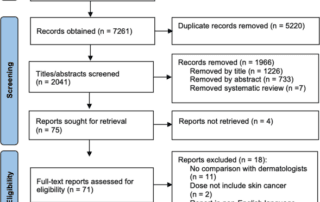
In a groundbreaking study published in Nature, researchers have delved into the burgeoning field of artificial intelligence (AI) in dermatology, specifically examining its role in diagnosing skin cancer. The study, titled "A Systematic Review and Meta-Analysis of Artificial Intelligence Versus Clinicians for Skin Cancer Diagnosis," offers a comprehensive look at how AI stacks up against human clinicians in this critical area of healthcare.

By |November 14, 2024|Categories: AI in Healthcare, Article, Dermatology|Tags: , |0 Comments

The Fast Lane to Fully Autonomous Vehicles: Industry Innovations and Future Prospects

The automotive world is abuzz with announcements from major players like Tesla, Rimac, Renault, and Nissan, each unveiling plans to introduce autonomous vehicles in the near future. Tesla's much-anticipated "CyberCab" is set for an October 2024 debut, while Rimac and Renault are gearing up for releases in 2026.

Futureproofing for Insurers: The Role of AI and Hyper-Personalization

In a rapidly evolving industry, insurance companies are turning to artificial intelligence (AI) and hyper-personalization to stay ahead of the curve.

Revolutionizing Healthcare: The Power and Potential of AI

AI technology offers a multitude of benefits, from enhancing patient outcomes to reducing healthcare costs and improving population health. Its application ranges from preventive screenings to complex diagnostic procedures, marking a new era in medical care.


By |November 13, 2024|Categories: Article, Artificial Intelligence, Healthcare|Tags: , |0 Comments